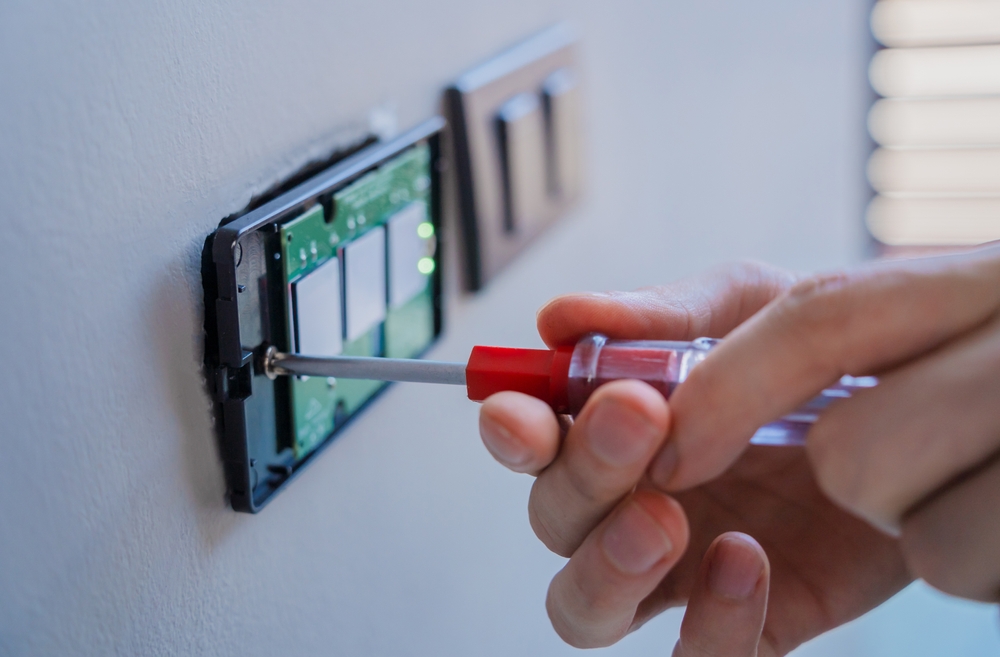
Fires, outages, and expensive replacements are just some of the consequences of poorly conducted electrical projects. It can happen to you if you make avoidable mistakes when you add electrical outlets or rewire a room. Since the task is anything but simple, proper planning for your electrical outlet & switch services in Hawaii Kai is crucial.
This guide walks you through what to know before hiring an electrician or adding new electrical features to any space.
Start with Purpose: Space Evaluation
Have a professional evaluate the room in question. They’ll look at how the space will be used and where power is needed most, helping you avoid both underpowered setups and unnecessary rewiring.
For example:
- A kitchen needs outlets for appliances, under-cabinet lighting, and possibly a microwave or induction stove.
- A home office benefits from dedicated circuits for computers, printers, and backup systems.
- A bedroom might need dimmer switches, USB outlets, and ceiling fan wiring.
Addressing Existing Electrical Issues First
Can your current system handle the project? If it cannot, have lingering issues sorted out first before any wiring is added.
When in doubt, let professionals assist you. They can check for overloaded panels, scorched outlets, or aluminum wiring and any other problem that plagues electrical switch and outlet wiring. Fixing these early prevents future headaches.
“We are called in after a DIY job’s gone wrong far too often. People don’t realize old systems can’t always support modern demand,” says a master electrician.
Smart Wiring Plans for Every Room
A home office has different power needs than a garage. Since every room has unique power needs, an electrician should map outlet placement based on how the space is used daily. Strategic layout saves money and avoids running cords across the floor later on.
Wiring placement tips:
- Position outlets behind wall-mounted TVs and desks.
- Include at least one GFCI outlet in kitchens, baths, garages, and laundry rooms.
- Use combination switches or motion sensors in hallways and utility spaces.
Safety Codes and What They Mean
National and local codes are life-saving standards that keep your household safe. This is why these codes must be met.
For example, bathrooms and kitchens now require ground-fault circuit interrupters (GFCIs) to prevent shocks.
“Homeowners want a working system that is also safe for use. This is why code compliance should never be treated as an afterthought,” notes a residential wiring inspector.
Don’t DIY Electrical Work—Here’s Why
We get it—homeowners who fancy themselves as handy around the house may find it tempting at times to tackle small electrical projects on their own. However, one wrong connection can spark a fire or leave your home uninsurable. Even replacing a light fixture can be dangerous if the circuit isn’t marked.
Risks of DIY:
- Fire hazards from overloaded wires
- Voided insurance claims
- Unpermitted work flagged during home sales
Save yourself the hassle of dealing with unwanted fires. Leave it to professionals who are trained, insured, and know exactly how to meet safety standards.
What Will It Cost?
Electrical upgrades cost money, and the amount varies depending on the room, its size, the amount of work, and even your region. As expected, you will need to pay for labor, materials, and often permit fees.
And since projects like these do not happen in a vacuum, one must prepare for contingencies. Some homes may also require panel upgrades if you’re adding a significant load or as a consequence of electrical outlet repair.
Average cost breakdown:
- Outlet installation: $200–$350 per outlet
- Light fixture replacement: $200–$500
- Full room wiring: $2,000–$4,000
- Panel upgrade (if needed): $2,500–$4,000
Energy Efficiency Starts with Smart Choices
Days before adding new wiring is a great time to think about your overall energy use. Do not overlook small upgrades, as these can make a big impact on your electric bill. That said, be sure to choose fixtures and setups that reduce unnecessary energy use.
Smart ideas:
- Install LED lighting with dimmer switches
- Choose Energy Star–rated ceiling fans and appliances
- Add motion sensors for lighting in closets, pantries, and hallways
How to Choose the Right Electrician
Sterling professionals are hard to come by. Look for someone with a strong reputation, proper credentials, and proof of insurance. Good pros are transparent about pricing and timelines.
Quick hiring checklist:
- State license number
- Liability insurance coverage
- Local references or online reviews
- Clear written estimate
When thinking of electrical upgrades, never cut corners. Planning well is sure to be the start of a safe way to future-proof your property.
Need help figuring out your next move? Talk to a qualified electrical contractor near you and make your upgrade a safe success.
Enjoy Worthview?
Add Worthview as a Preferred Source on Google to see more of our stories in Search.

Worthview Editorial Team is the shared byline for content created collaboratively by Worthview’s editors and contributors. Since 2008, we’ve published thousands of articles across technology, AI, finance, health, home, travel, and lifestyle. Our editorial process emphasizes original research, reputable sources, regular content updates, and clear attribution. Articles covering higher-trust topics, including health and finance, may also undergo review by qualified subject-matter experts.