What you don’t see can hurt your home, your wallet, and even your health. Hidden leaks are a problem, often starting with a slow drip, eventually snowballing to cause mold growth, rot, and foundation problems.
That’s why seeking leak detection services in Dover, ID, is a smart choice for homeowners who want to protect their homes.
How Accurate is Leak Detection?
Pinpointing a leak accurately means less digging, less damage, and faster repairs. What this means is that accuracy is crucial in any leak detection efforts.
The right tools can also differentiate a wet spot from a spill and a deeper plumbing issue with ease. Pros use advanced methods to cut straight to the source without guesswork.
According to a plumber from a water leak detection company:
“Guessing doesn’t work in repairing leaks. We rely on tools that give us real-time, precise data so we don’t waste time—or tear up your floors.”
What Tools Do the Pros Use?
Professional leak detection isn’t a one-size-fits-all job. Each method offers a unique advantage, and combining them often leads to the fastest, most accurate results.
Here’s what goes into the toolbox:
- Acoustic listening devices: Amplify the sound of escaping water through walls or floors.
- Thermal imaging cameras: Detect subtle temperature differences caused by hidden moisture.
- Tracer gas detection: Uses a safe, odorless gas to locate leaks accurately.
- Moisture meters: Confirm if suspect areas are actually wet.
Each of these methods helps professionals find leaks without opening up walls blindly.
Slab Leaks: The Hidden Foundation Threat
Leaks beneath your foundation are tough to find and costly to fix. Without action on your end, these slab leaks often go unnoticed.
By the time they catch your attention, they will have already caused major structural damage. That’s why advanced tools like ground microphones and infrared thermography are vital.
To find a slab leak, plumbing leak detection experts often:
- Use electronic amplification to listen for subtle water flow under concrete.
- Scan the floor with thermal imaging to locate heated water pipes.
- Apply tracer gas into your water line to track escape points.
These tools let experts avoid unnecessary demolition while addressing the problem directly.
Gas Leaks Demand Precision
More than an inconvenience, gas leaks are a serious safety hazard. Professionals use highly sensitive detectors and pressure testing to catch leaks before they escalate. Homeowners should never attempt to diagnose a gas leak themselves.
One thing that makes experts better than DIYers is that they know how to isolate the gas line and use a manometer for pressure tests.
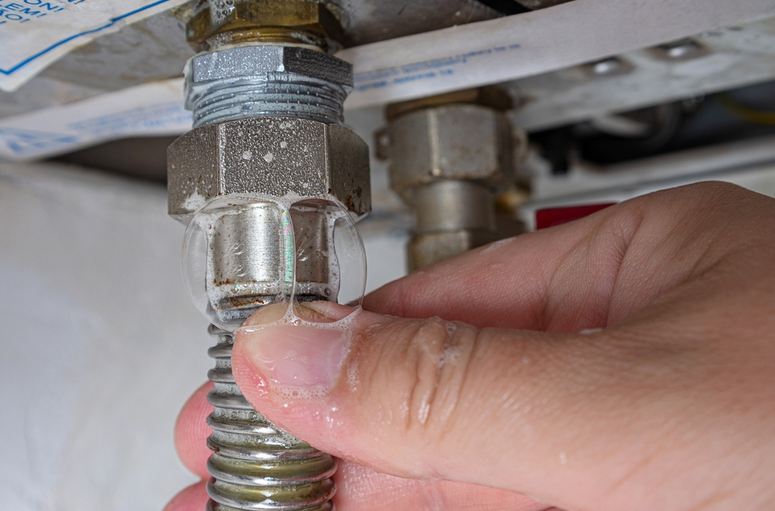
They are also capable of applying electronic gas sensors to trace exact leak points. Once done with detecting, they can confirm results with bubble leak tests or thermal imaging as needed.
Why Speed Saves Your Home
A delayed leak repair is a fast track to mold, drywall damage, and rising water bills. Even small leaks can waste hundreds of gallons each month. Professional leak detection gets ahead of the damage curve.
“A leak that costs $150 to fix today might cost $2,500 in three months,” notes a licensed plumbing contractor.
If a leak is suspected:
- Shut off your water and call a pro.
- Avoid DIY demolition—you might miss the mark.
- Track water bills for sudden spikes.
When DIY Doesn’t Cut It
It’s tempting to grab a wrench and go find and fix a leak yourself. However, doing so often leads to more harm than help. You might seal a symptom without fixing the cause.
Common DIY mistakes include:
- Misreading moisture stains
- Using ineffective sealants
- Ignoring slow drips from less visible areas
Professionals bring years of experience and thousands of dollars in equipment into your home for a reason.
Leak Detection for Buyers and Sellers
In real estate, hidden leaks can kill deals. Home inspectors often use pro-grade tools to scan for leaks that traditional walkthroughs miss. Sellers benefit from fixing issues before listing; buyers gain peace of mind.
For property transactions:
- Request a leak check with thermal or acoustic tools.
- Repair all findings before closing.
- Keep reports as proof of maintenance.
How to Know It’s Time to Call a Pro
Some signs are easy to spot, but many leaks fly under the radar. If your home smells musty, has mold spots, or your floor feels warm in one spot, call in the experts.
“Water is sneaky,” says an expert plumber. “By the time you see it, it’s already done damage.”
Red flags include:
- Unexplained wet patches
- Cracked foundation
- High water bills
Time is not on your side when facing a leak. Advanced leak detection is fast, non-invasive, and precise, and it pays to invest in this service if you are intent on protecting your home.
Enjoy Worthview?
Add Worthview as a Preferred Source on Google to see more of our stories in Search.

Worthview Editorial Team is the shared byline for content created collaboratively by Worthview’s editors and contributors. Since 2008, we’ve published thousands of articles across technology, AI, finance, health, home, travel, and lifestyle. Our editorial process emphasizes original research, reputable sources, regular content updates, and clear attribution. Articles covering higher-trust topics, including health and finance, may also undergo review by qualified subject-matter experts.