Mold growth in homes is not only unsightly but can also pose significant health risks to residents. Understanding the conditions that foster mold growth and taking proactive measures can save homeowners from future troubles. This article delves into why it is crucial to maintain a mold-free home and provides insights on preventing mold from becoming a persistent problem.
Understanding Mold and Its Impact
Mold is a type of fungus that thrives in damp, humid environments and can spread rapidly throughout a home. It not only impacts the aesthetics and structural integrity of a property but can also lead to serious health complications. According to RealtimeLab.com, an estimated 4.6 million asthma cases in the U.S. are linked to mold exposure at home, highlighting the critical need to address moisture issues promptly.
In addition to respiratory problems, mold exposure can trigger allergic reactions and exacerbate conditions such as sinusitis. These health concerns underscore the importance of maintaining healthy indoor air quality free from mold spores. According to FEMA, Homeowners need to be aware that mold can proliferate quickly, taking hold within 24 to 48 hours after water enters the home.
Mold remediation can be costly, and prolonged exposure can devalue property. It’s essential to address mold development in its early stages to prevent extensive damage. Homeowners should remain vigilant for signs of mold, such as musty odors or discolored patches on walls, to protect both their family’s health and their property’s value.
Keeping Yur Home Mold-Free
Effective mold prevention strategies can help keep your home safe and healthy for all residents. Regularly inspecting areas prone to dampness, such as basements and bathrooms, can prevent small mold colonies from becoming significant infestations. According to Fixr, maintaining indoor humidity levels below 45% is crucial in creating an environment where mold cannot thrive.
Ensuring adequate ventilation in your home is another essential preventative measure. This includes using exhaust fans during cooking or showering and ensuring that your home is well-ventilated to reduce moisture levels. Fixing leaks promptly and drying any water damage within 24 to 48 hours is crucial, as mold can begin to develop in these conditions rapidly.
Sealing leaks and maintaining your home’s plumbing system in optimal condition can greatly reduce the risk of mold formation. Additionally, consider using dehumidifiers in high-risk areas to maintain safe humidity levels. Educating yourself about mold prevention empowers homeowners to take immediate action when potential mold-friendly conditions arise.
Addressing Mold Issues Effectively
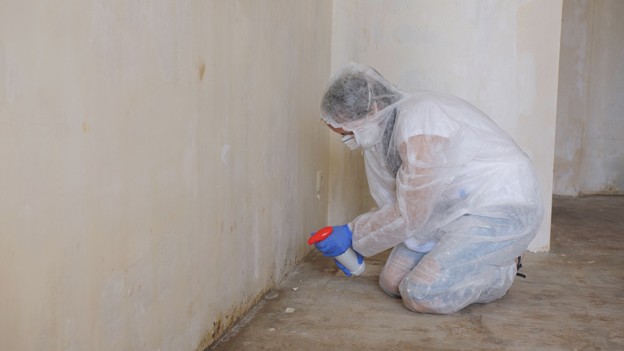
If mold is discovered in the home, it’s vital to address the issue quickly and effectively. Mold remediation should be handled by professionals, especially if the mold covers a large area or is located in hard-to-reach places. Homeowners should select certified mold remediation specialists to ensure safe and comprehensive mold removal.
Addressing mold involves not only removing the visible mold growth but also identifying and mitigating the moisture source. This could involve repairing leaks, improving drainage systems, or installing sump pumps to manage water accumulation. Consistent monitoring and maintenance are key to ensuring mold does not return.
Post-remediation testing by a professional can confirm that the mold has been effectively eliminated. Through thorough inspection and removal procedures, the home’s environment can be restored to a safe, healthy state. The peace of mind that comes from a mold-free home is invaluable, highlighting the importance of vigilance and proactive measures.
A commitment to keeping your home mold-free is essential to ensuring the health and safety of its inhabitants. Understanding the conditions that promote mold growth and implementing preventive measures can safeguard your home from the physical and health-related impacts of mold. By staying informed and proactive, homeowners can effectively manage and prevent mold from becoming an issue in their daily lives.
Enjoy Worthview?
Add Worthview as a Preferred Source on Google to see more of our stories in Search.

Worthview Editorial Team is the shared byline for content created collaboratively by Worthview’s editors and contributors. Since 2008, we’ve published thousands of articles across technology, AI, finance, health, home, travel, and lifestyle. Our editorial process emphasizes original research, reputable sources, regular content updates, and clear attribution. Articles covering higher-trust topics, including health and finance, may also undergo review by qualified subject-matter experts.