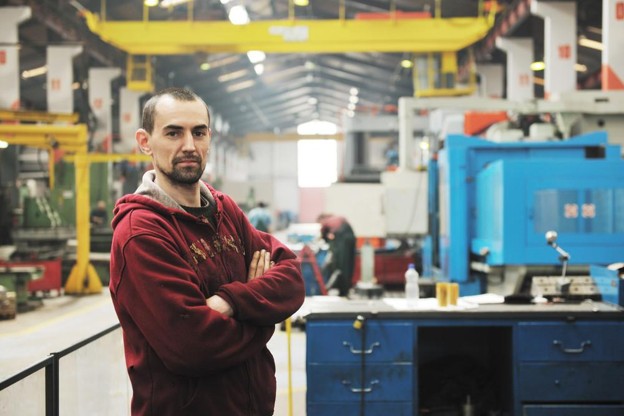
The journey from a manufactured component to a finished product involves more than machines and assembly lines. Businesses must coordinate production schedules, maintain consistent quality, and arrange transportation so goods arrive where they are needed. Every stage introduces decisions that can affect costs, delivery timelines, and the people responsible for moving products. Understanding how manufacturing and transportation connect helps explain why careful planning matters both inside industrial facilities and on the roads that keep commerce moving.
Meeting Production Needs Without Expanding Every Facility
Developing a new product or increasing output can put pressure on a company’s existing manufacturing capabilities. A business may have the product design, customer relationships, and sales strategy in place but lack the specialized equipment, available floor space, or workforce needed to produce everything internally. Building a new facility requires significant investment, and purchasing machinery may not make sense when demand is uncertain or production needs fluctuate.
This is one reason companies explore contract manufacturing as part of their production strategy. Working with an external manufacturing provider can give a business access to production capabilities without requiring it to establish every process independently. Depending on the agreement, the provider may produce individual components, assemble products, or handle more extensive manufacturing requirements.
Before entering such an arrangement, companies need to establish clear expectations. Product specifications, acceptable quality levels, production quantities, delivery schedules, and communication procedures should be understood by both parties. These details help prevent misunderstandings and make it easier to evaluate whether the partnership is meeting business needs.
Quality control is particularly important when production takes place outside a company’s own facility. Businesses should determine how products will be inspected, how defects will be reported, and who is responsible for addressing problems. Regular communication can also help both sides respond when customer demand changes or materials become difficult to obtain.
Coordinating Deliveries With Manufacturing Schedules
Once products are ready, transportation becomes another important part of the process. Manufacturers depend on reliable freight services to receive raw materials, move components between facilities, and deliver finished goods to warehouses or customers. Even a well-organized production line can experience disruptions if shipments arrive late or transportation plans do not account for changing conditions.
Scheduling deliveries requires coordination between manufacturing teams, warehouse personnel, suppliers, and carriers. A shipment that arrives before a facility has storage space available can create congestion, while a late delivery may leave employees waiting for materials needed to continue production. Businesses can reduce these problems by sharing accurate schedules, monitoring inventory, and maintaining communication with transportation providers.
Vehicle safety also matters throughout the distribution process. Commercial trucks operate across highways, local roads, industrial parks, and loading areas, often under tight delivery deadlines. Drivers must manage traffic, weather, visibility, and changing road conditions while operating vehicles that require more space to turn and stop than passenger cars.
Companies involved in freight transportation can support safer operations by maintaining vehicles, planning reasonable delivery schedules, and ensuring drivers receive appropriate training. Dispatchers should also account for delays and route changes rather than allowing unrealistic deadlines to create additional pressure on drivers. A dependable transportation plan should prioritize safe movement alongside delivery expectations.
The Risks Commercial Truck Collisions Can Create
Large commercial vehicles play an essential role in keeping supply chains moving, but collisions involving these vehicles can have serious consequences. Their size and weight can contribute to extensive vehicle damage and severe injuries, particularly when a smaller passenger vehicle is involved. Traffic congestion, driver fatigue, poor weather, mechanical problems, and unsafe driving behavior can all contribute to roadway risks.
After a collision, the people involved may need to manage medical appointments, vehicle repairs, insurance communications, and time away from work. When a commercial truck is involved, determining what happened may require reviewing additional information, such as driver records, maintenance documentation, delivery schedules, and company procedures. The relevance of these records depends on the circumstances of the crash.
Someone injured in a serious collision involving a large commercial vehicle may consult a semi accident lawyer to understand their legal options. Investigating a crash may involve examining evidence from multiple parties, including the driver, trucking company, vehicle owner, or other individuals or businesses that may have played a role. Responsibility is not automatic simply because a commercial vehicle was involved, so the specific facts matter.
Passenger vehicle collisions can raise many of the same concerns. People may need to determine how the accident occurred, document their injuries, and understand how insurance claims work. Consulting a car accident lawyer may help someone assess the circumstances of a crash and learn about potential next steps. Prompt medical attention and careful documentation can be important after any collision, even when injuries are not immediately obvious.
Connecting Better Planning With Safer Transportation
Manufacturing decisions and roadway safety may seem like separate subjects, but they are connected by the movement of materials, equipment, and finished products. Production schedules influence shipping demands, while delivery requirements affect warehouse operations and the timing of manufacturing activities. When companies coordinate these processes carefully, they can reduce unnecessary delays and create more predictable working conditions.
Businesses can improve coordination by setting realistic timelines, communicating changes promptly, maintaining equipment, and reviewing recurring problems. Transportation providers can contribute by planning routes responsibly and ensuring drivers have the support needed to operate safely. Manufacturing partners can help by maintaining quality standards and communicating production changes before they affect scheduled shipments.
No supply chain can eliminate every unexpected event. However, thoughtful preparation can help businesses respond more effectively when challenges arise. By treating production quality, delivery coordination, and roadway safety as connected responsibilities, companies can support more reliable operations while recognizing the people who make the movement of goods possible.
Enjoy Worthview?
Add Worthview as a Preferred Source on Google to see more of our stories in Search.

Worthview Editorial Team is the shared byline for content created collaboratively by Worthview’s editors and contributors. Since 2008, we’ve published thousands of articles across technology, AI, finance, health, home, travel, and lifestyle. Our editorial process emphasizes original research, reputable sources, regular content updates, and clear attribution. Articles covering higher-trust topics, including health and finance, may also undergo review by qualified subject-matter experts.