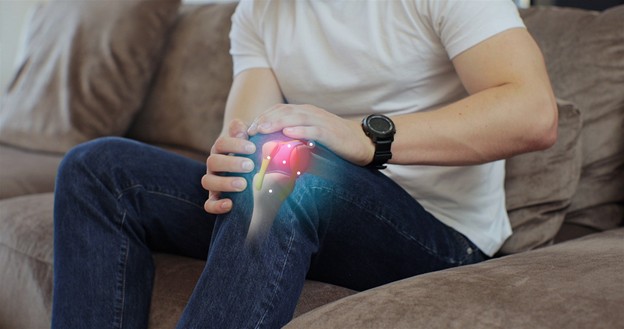
Back and joint pain are common health issues that affect a significant portion of the population worldwide. These painful conditions can dramatically impact quality of life, limiting daily activities and overall well-being. Fortunately, there are several strategies you can implement to reduce the likelihood of experiencing these issues.
Prioritize Exercise and Physical Activity
Regular exercise is essential in maintaining overall health and preventing back and joint pain. Engaging in activities that increase strength, flexibility, and endurance can significantly reduce the risk of developing pain. For instance, practices such as yoga or pilates can be particularly effective in enhancing flexibility and strengthening the core, which supports the spine.
Exercise also promotes a healthy weight, reducing unnecessary strain on joints and the back. Weight-bearing exercises, such as walking, are beneficial. However, it is essential to note that according to a study by Oxford Academic, approximately 20% of adults aged between middle age and older experience foot pain during these activities, which should be taken into consideration when planning an exercise regimen.
Additionally, incorporating low-impact activities, like swimming or cycling, can prevent overexertion while still providing the body with the necessary movement. It’s important to start with manageable goals and gradually increase the intensity and duration of physical activity. By avoiding a sedentary lifestyle, individuals can protect their joints and back from pain and maintain a higher level of health.
Adopt Ergonomic Practices
Another crucial strategy in preventing back and joint pain is to incorporate ergonomic practices into your daily routine. Proper posture, especially during long periods of sitting or standing, is vital. Ensuring that workspaces or home offices have ergonomic setups can immensely reduce strain on the body.
Strategically placing monitors at eye level, using supportive chairs, and positioning keyboards and desks correctly can alleviate discomfort. On a related note, experts estimate that up to 80% of people will experience back pain at some point in their lives, highlighting the importance of ergonomic awareness. Making these simple adjustments can considerably lessen the risks associated with back and joint discomfort.
Moreover, taking regular breaks to stand, stretch, and move can promote circulation and relieve pressure on joints and the spine. Incorporating these breaks into your daily schedule can enhance overall productivity and promote physical well-being. Ergonomic mindfulness is key in establishing a protective environment against back and joint issues.
Explore Alternative Pain Management Methods
Many individuals seek alternative therapies to manage and prevent pain, preferring these methods over pharmaceuticals. Techniques such as acupuncture, chiropractic care, or physical therapy provide drug-free alternatives that can effectively manage discomfort. Stretching exercises and body massages are additional methods that improve flexibility and reduce tension, offering relief without medication.
In fact, a significant 78% of people prefer using drug-free approaches to address pain, as identified by LLCBuddy. This preference for natural techniques underscores the public’s growing awareness of the potential downsides of long-term medication use. By exploring and embracing these alternatives, individuals can find relief and maintain their health without adverse drug effects.
Incorporating these therapies into a wellness routine not only helps in managing pain but can also aid in preventing it. Understanding each method’s unique benefits and how it suits personal needs can empower individuals to make informed choices about their health. Additionally, consulting with healthcare professionals can guide the selection of appropriate and effective treatments.
In conclusion, preventing back and joint pain involves a multifaceted approach that combines regular exercise, ergonomic awareness, and the exploration of alternative pain management methods. Understanding these strategies and applying them to daily life can minimize discomfort and enhance overall health. By prioritizing these proactive measures, you can maintain mobility, independence, and an improved quality of life.
Enjoy Worthview?
Add Worthview as a Preferred Source on Google to see more of our stories in Search.

Worthview Editorial Team is the shared byline for content created collaboratively by Worthview’s editors and contributors. Since 2008, we’ve published thousands of articles across technology, AI, finance, health, home, travel, and lifestyle. Our editorial process emphasizes original research, reputable sources, regular content updates, and clear attribution. Articles covering higher-trust topics, including health and finance, may also undergo review by qualified subject-matter experts.