Key Takeaways
- Silica dust can affect worker health and disrupt timelines if not managed carefully.
- Professional silica dust services provide structured support through planning, monitoring, equipment, and cleanup.
- A clear silica dust control plan can make daily tasks smoother and improve coordination across different contractors.
- Training and awareness help workers recognize risks and use safer routines during high-dust activities.
- Long-term dust strategies offer consistency, clearer budgets, and better preparation for shifting worksite conditions.
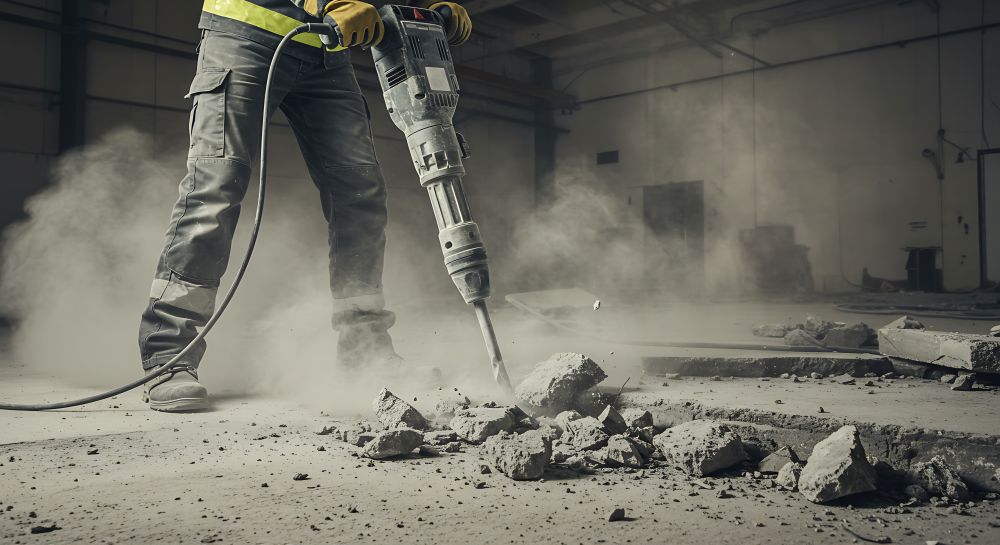
Construction sites generate massive amounts of dust every single day. That fine powder settling on equipment and floating through the air is not just a nuisance. It poses real health risks to workers and can delay project timelines.
Silica dust is particularly dangerous. When workers breathe it in over time, it can cause irreversible lung damage and other serious health problems. Beyond the human cost, construction companies face strict regulations and hefty fines if they fail to manage this hazard properly.
This is where professional silica dust services come in. These specialized teams help construction companies remain compliant, protect their workers, and ensure projects run smoothly. The right dust management strategy can make the difference between a site that meets safety standards and one that faces costly shutdowns or worse.
So, what exactly do industrial silica dust services offer, and why should construction teams prioritize them? Let’s take a look:
Why Silica Dust Requires Extra Attention
Silica dust may appear like ordinary debris, but the tiny particles can behave differently once they’re released into the air. Materials like stone, concrete, and brick contain crystalline silica, and cutting or grinding them can create clouds of fine particles that travel far across a worksite. These particles are small enough to enter the lungs, which is why they need consistent oversight from the start of a project.
Because the dust can linger, some workers may breathe in respirable silica dust without realizing it. Exposure to silica dust over long periods can increase the risk of respiratory diseases and conditions associated with lung cancer, making the dust more than a simple inconvenience. Construction crews moving between tasks may disturb settled dust, which makes the problem harder to control without a structured plan.
Another reason the issue needs attention is compliance. Agencies such as the Occupational Safety and Health Administration (OSHA) have established a permissible exposure limit for silica. Staying under these limits can feel challenging when multiple contractors share the same space. As tasks change, airborne dust can rise and fall throughout the day.
A team trained in air monitoring and dust assessment may guide crews toward safer practices and better planning. Just make sure you find trusted silica dust solutions with a proven track record. The right partner can explain what’s happening in the air, identify the tasks that generate the most dust, and suggest practical steps that align with the job’s pace.
How Professional Dust Services Can Support Worksite Needs
Professional silica dust services give construction teams a more organized and predictable way to manage dust. Instead of reacting when conditions worsen, they can build strategies that address the site from the beginning, reducing confusion and improving workflow.
Here are some of the reasons why you need professional expertise for this:
Uses Specialized Silica Dust Control Equipment
Dust service providers may bring tools that are stronger and more precise than standard vacuums. Some crews use industrial vacuums and dust collection equipment that can capture particles at the source. These machines can support engineering controls that reduce airborne silica exposure hazards during cutting and drilling.
Larger systems, such as portable scrubbers or extractors, can connect to existing tools. When paired with wet cutting or water-based methods, these tools can effectively remove crystalline silica dust from workers. This setup may be suitable for large commercial projects where the volume of material generates more dust than handheld tools can effectively manage.
Some providers may also adjust air movement around the site. They might coordinate with the heating, ventilation, and air conditioning (HVAC) system or use stand-alone filtration units to manage airflow. This approach can keep more dust contained in specific zones instead of spreading across open areas.
Creates a Worksite Silica Dust Control Plan
Most job sites run smoothly when there’s a clear structure in place. A professional team can design a silica dust control plan that outlines tasks, equipment, and responsibilities. It may include steps for ventilation, cleanup routines, and the safe handling of materials like silica sand, which can generate more particles.
The plan may also serve as an exposure control plan to meet regulatory requirements. It can highlight risk zones, note which tools require controls, and show how your team should handle activities producing respirable silica. Having these details organized can reduce stress around inspections and create a more predictable workday for everyone involved.
Some plans may include silica mapping, which gives teams a clearer picture of where dust is likely to move. This can guide scheduling decisions and show workers where protective gear or barriers matter most.
Manages Cleanup and Dust Disposal
Even with strong controls, dust can settle in corners or on equipment. Professional services utilize specialized tools designed to collect fine particles without destroying them. They might use industrial vacuums or water-based cleaning methods such as controlled water flooding, which can keep dust from becoming airborne again.
Cleanup can also support environmental compliance, especially when the dust contains higher concentrations of crystalline minerals. Some providers may collect waste with a dust collection system that keeps particles contained from removal to disposal. This process may reduce the dust that escapes when bins or bags are moved around the site.
In some settings, crews may support water filtration or waste separation. These steps can maintain a cleaner space and prevent dust from entering drains or open soil during rainy conditions.
Provides Worker Training and Awareness
Even with the right equipment, workers still need clear habits to keep dust under control. A dust service provider can show teams how to use safety gear, recognize exposure risks, and adjust tools that produce dust. The training remains practical, focusing on routines that naturally fit into everyday tasks.
These sessions can also explain basic construction site safety rules, so workers understand how exposure occurs and what steps can be taken to lower it. When everyone follows the same approach, the site can feel more organized and easier to manage.
Some providers may also involve industrial hygienists. They can offer a closer look at specific risks and suggest simple air pollution control methods tailored to the project’s size and pace.
Tracks Air Quality and Monitors Conditions
Worksites change as projects move forward. New contractors join, tools switch out, and materials shift from one phase to another. Professional services can monitor these changes with air quality tests and routine checks. Tracking may reveal whether dust levels increase during specific activities or if equipment requires adjustment.
This information can support compliance and documentation needs. Instead of guessing whether the site meets regulatory expectations, teams would have records that show real data.
If conditions change, monitoring can also prompt the service provider to revise the dust control plan. Regular communication between the provider and the construction team can help maintain more consistent working conditions on the worksite.
Supports High-Dust Construction Tasks
Certain tasks naturally create more dust. Cutting concrete, grinding floors, or drilling into brick can release more respirable silica than everyday movement on the site. Dust service providers may prepare for these tasks by installing barriers, making ventilation adjustments, or placing equipment to contain the dust.
Wet cutting, water misting, or tools that reduce airborne dust can make these tasks easier to manage. Some providers pair wet tools with systems that handle excess water vapor or promote water conservation where needed. This keeps the job cleaner without leaving puddles or runoff.
With the right setup, teams can move through heavy dust tasks without slowing down. This can support tighter schedules during demolition, flooring, or structural work where productivity matters.
Coordinates With Other Onsite Contractors
Large projects involve many teams. Without coordination, dust control strategies may clash. Dust service providers can communicate with electricians, plumbers, masons, and other crews to keep a smooth workflow.
This coordination may include scheduling high-dust tasks, adjusting ventilation, or sharing access to dust controls. When teams work from a single plan, there’s less confusion about where equipment is located or when specific areas require extra cleaning.
They may also support demand control strategies to keep certain tools from releasing more dust than needed. This can reduce the pressure on filtration units and improve airflow across the site.

Strengthens Long-Term Worksite Practices
Dust control isn’t only about what happens each day. Construction teams working on long projects or returning to the same sites may need strategies that are consistent throughout every phase of the project.
A professional provider can review patterns from earlier tasks and adjust plans based on what those patterns show. This helps crews identify where silica dust tends to accumulate, which tools generate the most debris, and which areas may require improved airflow or additional cleanup time.
Long-term planning can also make budgeting easier. When dust control needs are predictable, companies can plan equipment, staffing, and schedules with more confidence. A dependable partner can explain when a simple approach is sufficient or when a more comprehensive setup is required to match the scale of the work.
Consistency is another benefit. With steady guidance from specialists who understand dust behavior, teams can avoid the stop-and-go cleanup that slows projects down. Instead, they can establish routines that feel natural, maintain clear communication, and help everyone understand how dust impacts comfort and safety on the job.
Conclusion
Silica dust is a steady presence on construction sites, and while it may seem manageable at first, it can create bigger challenges as projects grow. Professional silica dust services provide teams with a structured approach to addressing the issue. They can create a workspace that feels more organized and more prepared for demanding tasks.
With a clear strategy, construction teams can move through their day with fewer obstacles related to dust exposure. The right support may not remove every challenge, but it can guide crews toward safer routines, steadier progress, and a smoother path from start to finish.
Enjoy Worthview?
Add Worthview as a Preferred Source on Google to see more of our stories in Search.

Worthview Editorial Team is the shared byline for content created collaboratively by Worthview’s editors and contributors. Since 2008, we’ve published thousands of articles across technology, AI, finance, health, home, travel, and lifestyle. Our editorial process emphasizes original research, reputable sources, regular content updates, and clear attribution. Articles covering higher-trust topics, including health and finance, may also undergo review by qualified subject-matter experts.