When winter finally loosens its grip across Tennessee, homeowners often focus on what they can see: downed limbs, worn landscaping, or the occasional loose shingle. But for buyers and sellers entering the market this spring, the real story often lies beneath the surface.
Winter-related damage isn’t just anecdotal. According to Realtors.com, water damage and freezing account for about 22% of all home insurance claims, making them among the most common cold-weather risks. And that damage comes with a big price tag, as roof repair and replacement costs hit almost $31 billion in 2024 — a 30% spike since 2022.
What’s more, a stretch of freezing temperatures, ice, and fluctuating conditions can quietly impact a home’s structure and systems. By the time a home inspection rolls around, those effects may show up in ways that influence negotiations, timelines, and overall confidence in a transaction.
For both buyers and sellers, understanding what inspectors are looking for after a tough winter can help avoid surprises and keep deals moving forward.
TLDR: Key Findings After a Tennessee Winter Inspection
- Winter damage, primarily from water and freezing, is a top concern, accounting for about 22% of home insurance claims.
- Roofing issues are common, including missing or cracked shingles, moisture in attics, and damaged flashing/gutters.
- Plumbing systems may have hidden damage (hairline cracks, weakened joints) from past freezing, which can lead to leaks or reduced water pressure later.
- HVAC systems often show signs of wear, such as inconsistent heating or aging components, due to working hard through colder months.
- Freeze-thaw cycles can widen foundation cracks and cause shifting in exterior concrete, often compounded by poor drainage.
- Sellers should prepare proactively (e.g., pre-listing inspection, clearing gutters), and buyers should focus on the severity and cost of flagged issues.
Why Winter Matters More Than You Think
Cold weather doesn’t just test a home’s durability. It exposes weaknesses. Repeated freeze-thaw cycles can expand small cracks in roofing and masonry. Plumbing systems may be subjected to pressure from frozen pipes. HVAC systems work overtime, sometimes revealing inefficiencies or wear that wasn’t obvious before.
In Tennessee, where winter conditions can swing from mild to severe in a matter of days, homes are often not built for prolonged freezes as those in colder climates are. That variability can make seasonal damage less predictable and more likely to show up during inspection.
Roofing Issues Rise To the Top
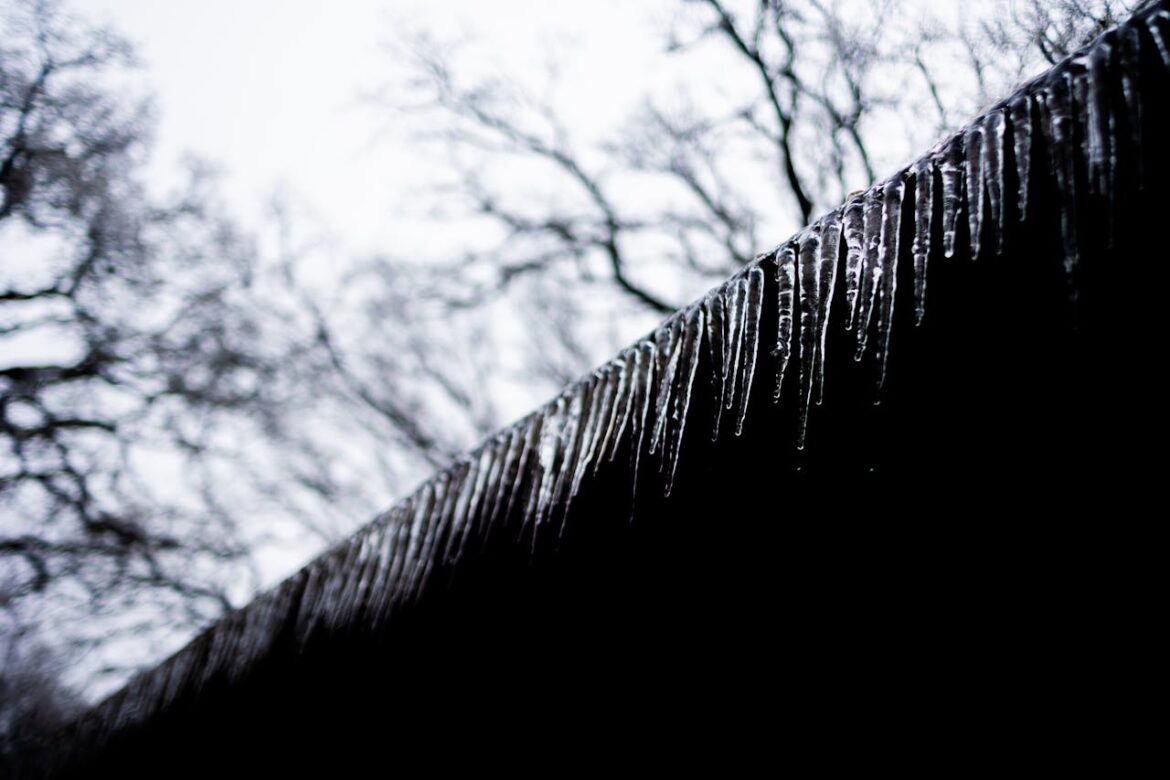
One of the first places inspectors look after winter is the roof. Shingles can become brittle in cold temperatures, making them more susceptible to cracking or lifting during storms. Ice buildup, even in short bursts, can lead to water intrusion if drainage is compromised.
Inspectors commonly flag:
- Missing, cracked, or curling shingles.
- Signs of moisture intrusion in attics.
- Damaged flashing around vents and chimneys.
- Gutter systems clogged or misaligned after winter debris.
For sellers, addressing visible roof issues before listing can prevent them from becoming points of negotiation. For buyers, a flagged roof doesn’t always mean a dealbreaker, but it does signal the need for further evaluation or repair estimates.
Plumbing Problems That Don’t Always Show Themselves
Frozen pipes are one of the most well-known winter risks, but the damage they leave behind isn’t always obvious.
Pipes that froze but didn’t burst can still develop hairline cracks or weakened joints. These issues may not surface until pressure builds again, sometimes weeks or months later.
During inspections, professionals may identify:
- Minor leaks under sinks or in crawl spaces.
- Reduced water pressure tied to compromised pipes.
- Signs of past freezing, such as patched areas or gaps in insulation.
Water heaters are another area of concern. After working harder through colder months, older systems may show signs of strain or inefficiency.
Buyers should pay close attention to plumbing notes in inspection reports, while sellers can benefit from a pre-listing check to identify vulnerabilities early.
HVAC Systems Under Stress
Heating systems carry a heavy load during winter, and inspections often reveal how well they hold up.
Furnaces and heat pumps that struggled to maintain consistent temperatures may show wear that wasn’t noticeable during milder seasons. Dirty filters, aging components, or deferred maintenance can all surface in a report.
Inspectors frequently note:
- Inconsistent airflow or uneven heating.
- Systems nearing the end of their lifespan.
- Maintenance issues that reduce efficiency.
While not every HVAC finding is urgent, these systems are critical to a home’s livability. Buyers may use inspection results to negotiate repairs or credits, especially if replacement is on the horizon.
Foundation and Exterior Concerns
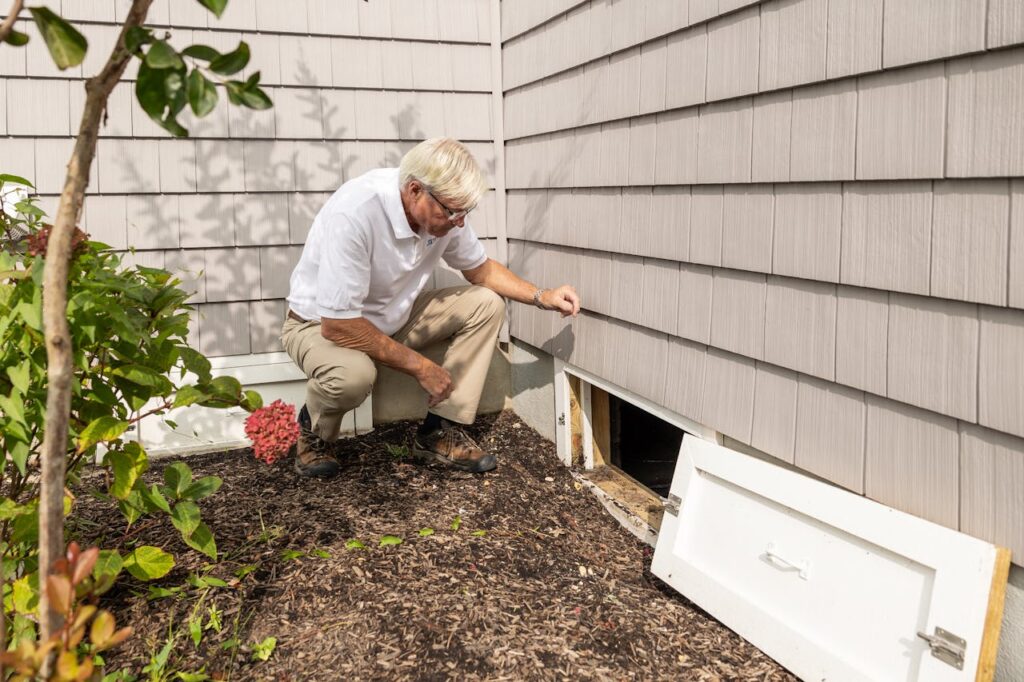
Winter moisture can also affect a home’s foundation and exterior surfaces.
As water freezes and expands, it can widen small cracks in concrete or masonry. When temperatures rise, those openings may allow water intrusion, leading to longer-term issues.
Inspectors may identify:
- Cracks in foundations or basement walls.
- Signs of water pooling near the home’s perimeter.
- Shifting or settling in walkways and driveways.
Drainage is often a related concern. Blocked or damaged gutters can direct water toward the foundation, compounding potential problems.
The Role of a Home Inspection in Today’s Market
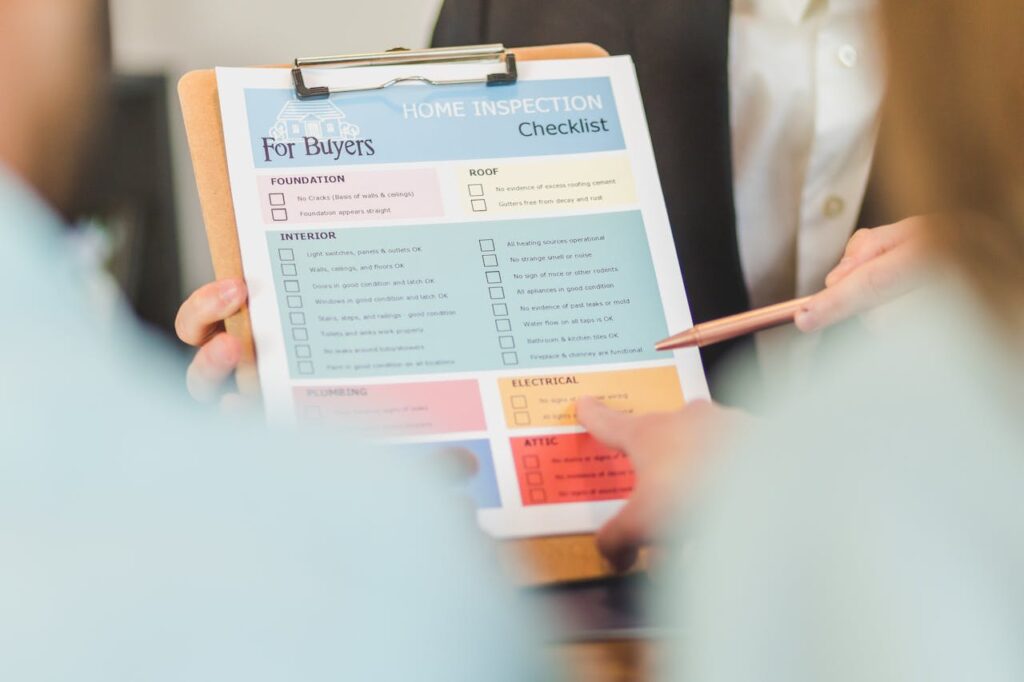
A home inspection is not a pass-or-fail test. It’s a snapshot of a home’s condition at a specific point in time. After a tough winter, that snapshot may include more seasonal wear than usual. The key is understanding what’s typical and what warrants further attention.
This is where working with a knowledgeable real estate professional becomes essential.
Through organizations like Tennessee REALTORS®, buyers and sellers can connect with agents who understand local housing conditions and seasonal patterns. These professionals can help interpret inspection reports, distinguish between common maintenance items and more serious concerns, and guide clients through the next steps.
For example, a few missing shingles or minor caulking issues may be expected after winter and are relatively easy to address. On the other hand, widespread water damage or structural concerns may require more in-depth evaluation.
How Sellers Can Prepare
Sellers don’t have to wait for a buyer’s inspection to uncover winter-related issues.
A few proactive steps can make a meaningful difference:
- Schedule a pre-listing inspection or walkthrough.
- Clear gutters and downspouts.
- Check for visible roof damage.
- Inspect crawl spaces and basements for moisture.
- Service HVAC systems.
Taking care of smaller issues ahead of time can reduce the likelihood of last-minute negotiations or delays.
What Buyers Should Keep in Mind
For buyers, it’s important to approach post-winter inspection reports with context in mind.
Not every issue uncovered is unexpected or a cause for concern. Seasonal wear is part of homeownership, especially in regions with fluctuating winter conditions.
Instead of focusing solely on the number of findings, buyers should consider:
- The severity of each issue.
- Estimated costs for repair or replacement.
- Whether problems are isolated or part of a larger pattern.
Working with a trusted inspector and a knowledgeable agent can help translate technical findings into practical decisions.
Moving Forward With Confidence
A tough Tennessee winter can leave its mark, but it doesn’t have to derail a real estate transaction. With the right preparation and guidance, buyers and sellers can navigate inspection results with clarity and confidence. Understanding what’s typical for the season, addressing issues proactively, and leaning on experienced professionals all play a role in keeping the process on track.
As the market heats up alongside the weather, those insights can make all the difference between uncertainty and a successful closing.
Frequently Asked Questions (FAQ)
Q: What is the most common type of winter-related damage found during Tennessee home inspections?
A: Water damage and freezing are top concerns, accounting for about 22% of all home insurance claims after a cold winter.
Q: What are common roofing issues inspectors look for after winter?
A: Common issues include missing, cracked, or curling shingles, moisture intrusion in attics, and damaged flashing or clogged gutters.
Q: Why are plumbing problems often hidden after a freeze?
A: Pipes that froze but didn’t burst can still develop hairline cracks or weakened joints that may not cause leaks until pressure builds weeks or months later.
Q: How does winter affect a home’s foundation?
A: Freeze-thaw cycles can widen small cracks in concrete or masonry, which may allow water intrusion and lead to shifting or settling.
Q: What proactive steps should sellers take before listing?
A: Sellers should consider a pre-listing inspection or walkthrough, clear gutters, check the roof, and service the HVAC system to avoid last-minute negotiations.
Q: What should buyers prioritize when reviewing a post-winter inspection report?
A: Buyers should focus on the severity and estimated cost of repairs or replacements, rather than focusing solely on the total number of findings.
Enjoy Worthview?
Add Worthview as a Preferred Source on Google to see more of our stories in Search.

Worthview Editorial Team is the shared byline for content created collaboratively by Worthview’s editors and contributors. Since 2008, we’ve published thousands of articles across technology, AI, finance, health, home, travel, and lifestyle. Our editorial process emphasizes original research, reputable sources, regular content updates, and clear attribution. Articles covering higher-trust topics, including health and finance, may also undergo review by qualified subject-matter experts.