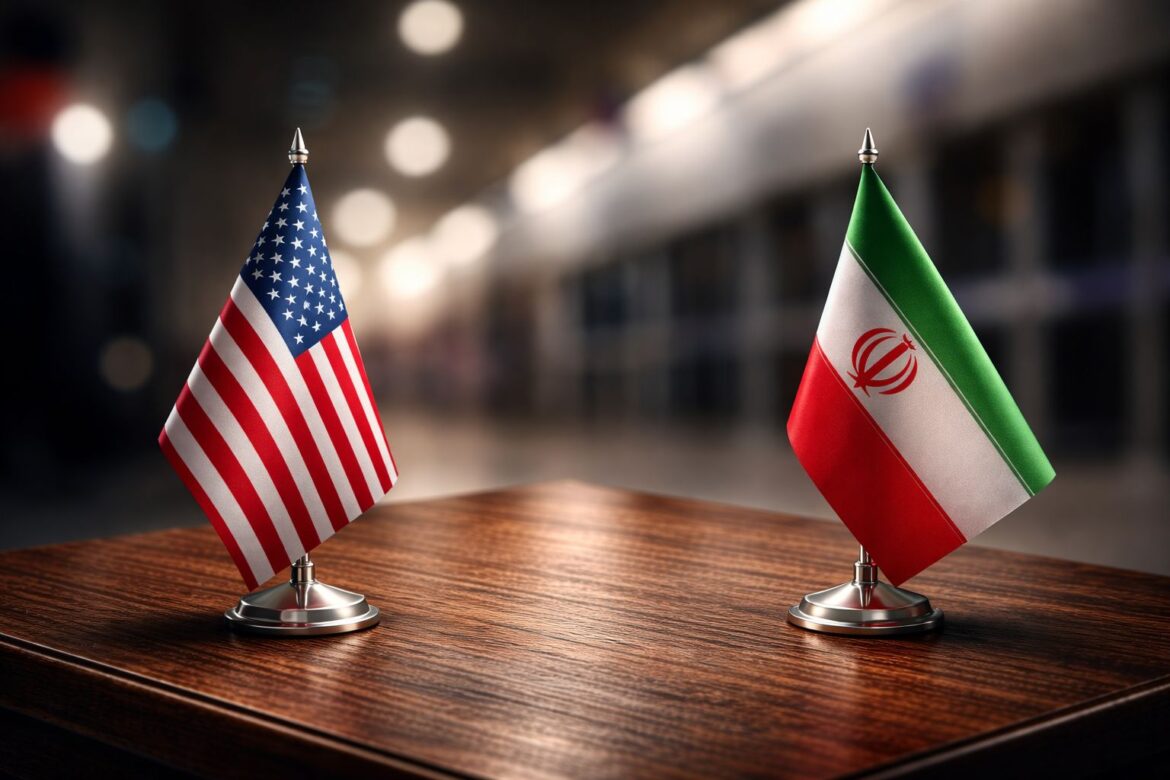
What happened: Iran on Monday rejected a 45-day ceasefire proposal drafted by Egypt, Pakistan, and Turkey, saying it will only accept a permanent end to the war — not a temporary pause. The rejection came hours before a US deadline for Iran to reopen the Strait of Hormuz, with President Trump threatening to strike power plants and bridges if the waterway stays closed.
Iran says “no” to a pause — wants a full stop
A ceasefire proposal jointly drafted by Egypt, Pakistan, and Turkey was sent to both Iranian Foreign Minister Abbas Araghchi and US envoy Steve Witkoff. The plan called for a 45-day halt in fighting and the reopening of the Strait of Hormuz — a critical waterway through which roughly one-fifth of the world’s oil flows.
Iran was first to respond — and it said no.
“We won’t merely accept a ceasefire. We only accept an end of the war with guarantees that we won’t be attacked again.”
— Mojtaba Ferdousi Pour, Head of Iran’s diplomatic mission in Cairo, to the Associated Press
Iran’s foreign ministry spokesperson Esmail Baghaei went further, calling the proposal “illogical” and saying Tehran cannot negotiate “under threat.” He added that a temporary ceasefire would simply let adversaries regroup and prepare for more war.
Trump’s deadline — and his threats
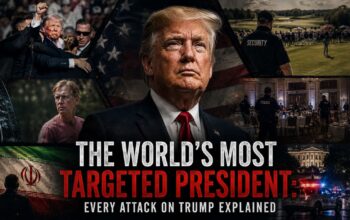
Trump confirmed Tuesday at 8 PM ET as his deadline for Iran to reopen the Strait of Hormuz. If it stays closed, he has threatened strikes on Iranian power plants and bridges — a major escalation beyond the military targets hit so far.
In a now-viral post over the weekend, Trump told Iran in crude, expletive-laden language to open the strait or face severe consequences. He later called Iran a “strong” enemy — but added it is “not so strong like they were about a month ago.”
The White House has not formally accepted or rejected the 45-day proposal either. Trump’s envoy Steve Witkoff received it, but no US response has been announced.
Strikes continue as diplomacy stalls
Even as mediators scrambled for a deal, the bombs kept falling on Monday. Israel struck the South Pars petrochemical complex — one of Iran’s most valuable economic assets — knocking out facilities responsible for roughly 85% of Iran’s petrochemical exports. Israeli Defense Minister Israel Katz called it “a severe economic blow” worth tens of billions of dollars in lost revenue.
Three Tehran airports — Bahram, Mehrabad, and Azmayesh — were hit overnight. At least 13 civilians were killed in strikes on residential buildings in Baharestan County, southwest of Tehran, according to Iranian state media. In Israel, four people were killed when an Iranian missile struck an apartment building in Haifa.
Meanwhile, the UN nuclear watchdog IAEA warned that military activity near Iran’s Bushehr nuclear power plant — struck four times since the war began — risks a “severe radiological accident” with consequences that could spread far beyond Iran’s borders.
Who’s trying to stop this?
Oman is quietly talking to Iran about the Strait of Hormuz. Pakistan brokered the ceasefire proposal and says talks are at an “advanced stage.” Egyptian and Turkish officials are also involved. But Pakistani officials warned that “several spoilers and detractors” are trying to derail the process.
Iran said it has prepared a formal response to a 15-point list of US demands — conveyed through Pakistan — and will release it “when necessary.”
With Trump’s deadline now hours away and both sides trading fresh strikes, the next 24 hours could be the most consequential moment of this six-week war. A breakthrough remains possible — but it would require Iran to soften its demand for guarantees, and Trump to hold back on further escalation. Neither looks likely right now.
Enjoy Worthview?
Add Worthview as a Preferred Source on Google to see more of our stories in Search.

Worthview Editorial Team is the shared byline for content created collaboratively by Worthview’s editors and contributors. Since 2008, we’ve published thousands of articles across technology, AI, finance, health, home, travel, and lifestyle. Our editorial process emphasizes original research, reputable sources, regular content updates, and clear attribution. Articles covering higher-trust topics, including health and finance, may also undergo review by qualified subject-matter experts.