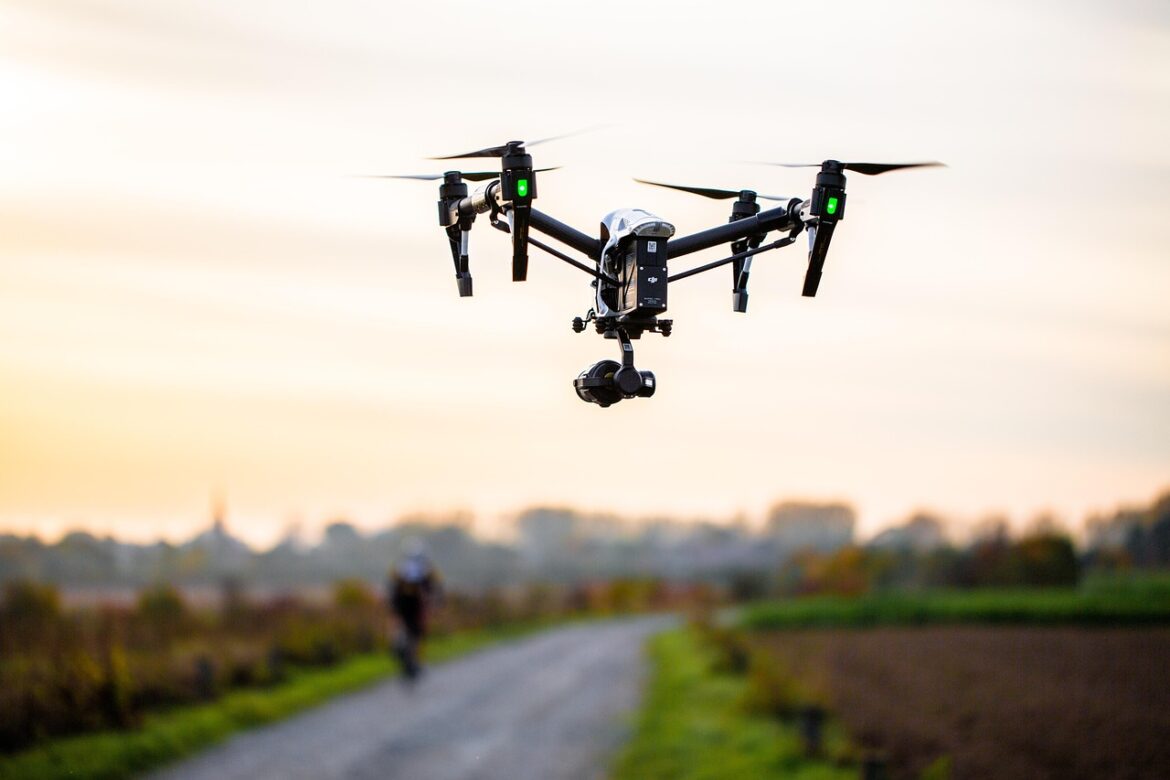
Drone photography and video are especially valuable for projects where scale, location, progress, or the surrounding environment is difficult to understand from the ground. From commercial real estate and construction sites to outdoor events, tourism destinations, and infrastructure, aerial footage provides a broader perspective that traditional photography often cannot capture.
A well-planned drone shoot can show how a property fits into its surroundings, document changes across a construction project, reveal the layout of a large worksite, or bring an event to life from above. These visuals can support marketing campaigns, project updates, stakeholder communication, and video production.
But which types of projects benefit most from aerial photography and videography? The following examples highlight where drone footage can make the biggest difference and how it can be used effectively.
Key Takeaways
- Commercial real estate: Aerial photography shows properties, access roads, parking areas, surrounding developments, and the wider location in a single view.
- Construction projects: Drone imagery helps document site progress, from excavation and foundations to roofing, exterior completion, and surrounding development.
- Industrial facilities: Aerial footage provides an overview of large, complex worksites and can support documentation, planning, and infrastructure assessments.
- Hotels and tourism destinations: Drone photography highlights a property’s surroundings, nearby attractions, amenities, and overall setting.
- Outdoor events and sporting venues: Aerial video captures crowd size, venue layout, and the energy of festivals, races, concerts, and sporting events.
- Film and commercial production: Drone footage can establish a location, reveal the surrounding environment, and communicate scale in a visually engaging way.
- Infrastructure and hard-to-reach locations: Drones can capture useful views of roofs, towers, bridges, solar installations, and utility corridors where ground-level photography is difficult.
- Safety and planning matter: Drone operations must account for site conditions, airspace restrictions, applicable regulations, and the safety of people nearby.
Projects That Benefit From Aerial Photography and Videography
The following is an explainer of the particular industries where aerial footage enhances and optimizes a visual project.
Commercial Real Estate and Property Development
Traditional property photography is effective for showing entrances, interiors and architectural details but it struggles to explain how a commercial property relates to everything around it.
An aerial footage can showcase the building, capacity, road access, loading zones and other surrounding development in a single image or video, and takes the presentation further by guiding prospective clients through the property.
Aerial footage is particularly valuable when marketing:
- Office buildings and business parks
- Retail plazas and shopping centres
- Industrial and warehouse properties
- Development land
- Apartment and condominium communities
- Hotels and resort properties
Construction Projects and Progress Documentation
Construction sites change quickly and those changes are not always easy to communicate through reports or ground-photographs.
On the other hand aerial footage provides a consistent visual record of the work as it develops, and images captured can be used to document excavations, foundations, roofing, the exterior completion and the surrounding site development.
Project managers can use that material for internal reporting, stakeholder updates and future marketing.
Aerial footage is also useful when several parts of a site must be viewed together by showing the relationship between different structures and active work areas without requiring dozens of separate photographs.
See this example of a company that provides drone photography services for surveying, inspections, mapping, and progress monitoring, and where and to see examples of how aerial footage can truly help many projects.
Industrial Facilities and Large Worksites
Industrial properties are generally too large and complicated to represent with conventional photography. Many facilities include multiple buildings, yards and areas that are difficult to observe safely.
With drone footage you can establish the overall layout and working areas, and depending on the project and equipment being used, aerial imagery may assist with facility documentation, infrastructure assessments, roof observations and planning discussions.
Hotels and Tourism Destinations
Location is frequently one of the main reasons someone chooses a tourism destination. Ground-level images may be great at showing an attractive room or feature but they cannot communicate how the property fits into its surroundings.
When it comes to hotels and popular tourist destinations, aerial photography shows proximity to the natural surroundings, golf courses, downtown areas and local attractions. For larger properties, accurate maps can be made to help guests understand the location of pools, restaurants and other accommodations before they arrive.
Drone video is especially effective when the experience involves movement through the property where a smooth sequence carries the viewer from the surrounding landscape into the grounds, and toward the features that make the destination seem pleasurable.
Outdoor Events and Sporting Venues
Aerial footage takes event documenting to the limit. Event photography taken among a crowd captures faces and individual moments but aerial footage showcases the attendance, the venue layout and the energy of the event itself.
Suitable events and venues for aerial photography/videography could include:
- Community festivals and fairs
- Concerts and outdoor performances
- Road races and cycling events
- Golf tournaments
- Motorsport and action-sports events
- Corporate gatherings and product launches
The finished material can be used in multiple marketing materials including highlight videos, sponsor presentations, social media campaigns and promotions for the following year.
Note that flight planning is of particular importance around crowds and the operator must first assess the site and be sure to follow airspace and flight restrictions before deciding which shots can be completed safely and legally.
Film, Television and Commercial Video Production
Aerial drone footage can be used to optimize documentaries, television programs, commercials, corporate videos and branded content. It replaces the needs for cranes, helicopters or extensive ground-based equipment.
Within a few seconds, an aerial sequence can establish
- context
- identify the location
- reveal the surrounding environment
- and introduce the scale of the subject matter to follow
When it comes to this type of aerial footage, it’s best to plan the project around what the audience needs to see and understand.
Infrastructure and Difficult-to-Reach Locations
Because some structures are awkward, expensive or potentially hazardous to photograph from the ground, the use of drones is particularly useful for obtaining footage of infrastructure and other difficult-to-reach locations.
Depending on local regulations and site conditions, drones help to document roofs, towers, bridges, solar installations, utility corridors and a huge array of other elevated or remote areas. They also help teams discuss site conditions without requiring every stakeholder to visit the same location.
Drone imagery does not replace a qualified technical inspection but its value is in collecting useful visual information and presenting site conditions from angles that would otherwise be difficult or impossible to obtain.
Conclusion
Drone photography and video can make a significant difference when a project requires more than traditional ground-level images can show. Whether it is a commercial property, an active construction site, a large industrial facility, a tourism destination, or an outdoor event, aerial footage provides a broader view of the subject and its surroundings.
It can help businesses market properties, document progress, communicate site conditions, and create engaging visual content. Drones are also useful for capturing infrastructure and locations that may be difficult to photograph from the ground.
The best results come from choosing aerial shots that serve a clear purpose. Before planning a drone project, consider the footage you need, the site conditions, and the applicable flight regulations. With the right planning and a qualified operator, drone photography and video can turn complex projects into clear, compelling visual stories.
Frequently Asked Questions About Drone Photography and Video
1. What types of projects benefit most from drone photography and video?
Projects that benefit most include commercial real estate, property development, construction progress documentation, industrial facilities, hotels, tourism destinations, outdoor events, film production, and infrastructure documentation. Drone footage is particularly useful when scale, location, or surrounding features are difficult to understand from the ground.
2. How can drone photography help real estate marketing?
Drone photography provides aerial views of a property, its surroundings, access roads, parking areas, and nearby developments. These images and videos help potential buyers, tenants, and investors understand the property’s location and wider context.
3. Can drones be used to document construction progress?
Yes. Drone imagery can create a visual record of construction stages, including excavation, foundations, roofing, exterior completion, and site development. Project teams can use the footage for progress updates, internal reporting, stakeholder communication, and marketing.
4. Why is drone video useful for hotels and tourism destinations?
Aerial video can show a hotel’s setting, nearby natural attractions, golf courses, city areas, and other features that may not be visible in ground-level photographs. It can also provide an engaging overview of larger properties and their amenities.
5. What outdoor events can benefit from aerial photography?
Community festivals, concerts, outdoor performances, road races, cycling events, golf tournaments, motorsport events, corporate gatherings, and product launches can all benefit from aerial footage. Drone video can show crowd size, venue layout, and the overall atmosphere of an event.
6. Can drones replace helicopters or cranes for filming?
Drones can provide aerial footage for many films, commercials, documentaries, and corporate videos without requiring a helicopter or crane. However, the best equipment depends on the shot, location, payload requirements, and production needs. Drones are not a replacement for every type of aerial filming equipment.
7. Can drones be used to photograph difficult-to-reach infrastructure?
Depending on local regulations, site conditions, and the equipment used, drones can capture images of roofs, towers, bridges, solar installations, utility corridors, and other elevated or remote areas. Their imagery can support documentation and planning, but it does not replace a qualified technical inspection.
8. What should be considered before starting a drone photography project?
Before a drone shoot, consider the project’s objectives, required shots, weather, site conditions, nearby people and structures, airspace restrictions, and applicable regulations. Flight planning and a qualified operator are important for completing the project safely and legally.
Enjoy Worthview?
Add Worthview as a Preferred Source on Google to see more of our stories in Search.
Worthview Editorial Team is the shared byline for content created collaboratively by Worthview’s editors and contributors. Since 2008, we’ve published thousands of articles across technology, AI, finance, health, home, travel, and lifestyle. Our editorial process emphasizes original research, reputable sources, regular content updates, and clear attribution. Articles covering higher-trust topics, including health and finance, may also undergo review by qualified subject-matter experts.