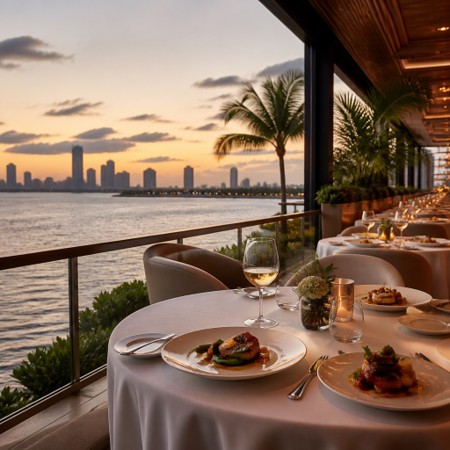
Miami has long been a city that defies easy categorization. Its food scene is no different. Shaped by Caribbean influences, Latin American culinary traditions, and a relentless appetite for innovation, Miami’s restaurant landscape has evolved into something genuinely singular. It is not simply a collection of upscale venues — it is a living, breathing expression of culture, creativity, and ambition. Understanding what makes this city’s top-tier dining so distinctive requires looking beyond the plate and into the philosophy that drives its most celebrated kitchens.
A City That Demands More From Its Restaurants
Miami diners are not passive participants. They arrive with expectations shaped by international travel, diverse cultural backgrounds, and an awareness of global culinary trends. This creates a uniquely demanding audience — one that pushes restaurants to constantly refine their menus, sharpen their service, and rethink their presentation. The result is a competitive dining environment where mediocrity simply does not survive. Restaurants that thrive here do so because they have mastered the balance between bold flavors and refined technique, between theatrical presentation and genuine substance.
The city’s geography also plays a role. Surrounded by water and blessed with access to exceptional seafood, tropical produce, and year-round growing seasons, Miami chefs work with ingredients that many of their counterparts in colder climates can only dream about. This abundance does not lead to complacency — instead, it fuels a spirit of experimentation that keeps the dining scene perpetually fresh.
The Role of Atmosphere in Elevating the Experience
Design as an Extension of the Menu
In Miami’s finest restaurants, the dining room is never an afterthought. Interior design is treated with the same seriousness as the culinary program itself. Lighting is calibrated to flatter both the guests and the dishes. Acoustics are managed so that conversation flows without strain. Seating arrangements are considered not just for capacity but for intimacy and flow. The best establishments understand that a guest’s experience begins the moment they walk through the door, and every sensory detail — from the texture of the linen to the weight of the cutlery — contributes to the overall impression.
Service That Anticipates Rather Than Reacts
Exceptional service in a fine dining context is not about formality for its own sake. It is about attentiveness, knowledge, and the ability to read a table. The best servers in Miami’s top restaurants can explain the provenance of an ingredient, describe a preparation technique with precision, and make a guest feel genuinely welcomed rather than processed. This level of service requires rigorous training and a genuine passion for hospitality — qualities that distinguish truly great restaurants from those that merely look the part.
Culinary Identity in a Multicultural City
One of Miami’s greatest culinary strengths is its multicultural foundation. Cuban, Colombian, Haitian, Brazilian, and Peruvian influences, among many others, have woven themselves into the fabric of the city’s food culture. At the fine dining level, this translates into menus that are genuinely original — dishes that cannot be easily replicated elsewhere because they draw from a specific cultural and geographic context that is uniquely Miami’s own.
Chefs here are not simply borrowing from other traditions; they are synthesizing them into something new. A ceviche might be elevated with Japanese technique. A slow-braised short rib might carry the warmth of Caribbean spice. These combinations are not gimmicks — they reflect the lived experience of a city where cultures have been in genuine dialogue for generations.
Ingredient Integrity and Food Safety Standards
Behind every exceptional dish is a commitment to ingredient quality that extends well beyond taste. Miami’s leading restaurants take food safety and sourcing transparency seriously, recognizing that guests deserve to know what they are eating and where it comes from. This includes careful attention to food chemical safety guidelines established by regulatory authorities, ensuring that every ingredient used meets rigorous standards before it ever reaches the kitchen. This commitment to safety is not a constraint on creativity — it is the foundation upon which genuine culinary excellence is built.
Growing a Restaurant in a Competitive Market
Even the most talented chef with the most compelling concept faces the challenge of building and sustaining a loyal customer base. In a city as dynamic as Miami, where new restaurants open constantly and dining trends shift quickly, strategic thinking is as important as culinary skill. Restaurants that endure are those that invest in understanding their guests — who they are, what they value, and how they discover new dining experiences. For operators looking to sharpen their approach, data-driven customer acquisition strategies for restaurants offer practical frameworks for reaching new guests while deepening relationships with existing ones. The most successful establishments treat their front-of-house and back-of-house operations with equal strategic rigor.
Stubborn Seed: A Benchmark for Miami’s Finest
Among the restaurants that have come to define what is possible in Miami’s culinary landscape, Stubborn Seed occupies a particularly distinctive position. Chef Jeremy Ford’s flagship restaurant in South Beach has earned its reputation through a relentless commitment to creativity, precision, and the kind of hospitality that makes guests feel that every detail of their evening has been considered. The tasting menu format allows the kitchen to tell a coherent story across multiple courses, guiding guests through a progression of flavors and textures that builds in complexity and surprise. The restaurant’s approach to fine dining in Miami reflects a philosophy that takes nothing for granted — every dish earns its place on the menu, and every service interaction is an opportunity to exceed expectations.
What makes Stubborn Seed particularly compelling is its refusal to rest on its accolades. The menu evolves with the seasons, with the availability of exceptional ingredients, and with the ongoing creative development of the kitchen team. This dynamism keeps the experience fresh for returning guests while ensuring that first-time visitors encounter a restaurant operating at the height of its powers.
Presentation as Communication
In fine dining, the visual presentation of a dish is not decoration — it is communication. The arrangement of components on a plate signals the chef’s intentions, guides the diner’s eye, and sets expectations for the flavors to come. Miami’s best kitchens approach plating with the same discipline they bring to flavor development. Colors are chosen for contrast and harmony. Textures are layered to create visual interest. Negative space is used deliberately to draw attention to the most important elements of the dish. The result is food that rewards close attention before the first bite is even taken.
The Future of Fine Dining in Miami
Miami’s fine dining scene shows no signs of slowing its evolution. New chefs are arriving with fresh perspectives, established restaurants are pushing deeper into their creative visions, and guests are becoming increasingly sophisticated in their expectations. The city’s unique combination of cultural diversity, exceptional ingredients, and a dining public that genuinely cares about quality creates conditions in which culinary excellence can flourish. For anyone who takes food seriously, Miami is not just a destination — it is a conversation about what restaurants can be at their very best.
Enjoy Worthview?
Add Worthview as a Preferred Source on Google to see more of our stories in Search.

Worthview Editorial Team is the shared byline for content created collaboratively by Worthview’s editors and contributors. Since 2008, we’ve published thousands of articles across technology, AI, finance, health, home, travel, and lifestyle. Our editorial process emphasizes original research, reputable sources, regular content updates, and clear attribution. Articles covering higher-trust topics, including health and finance, may also undergo review by qualified subject-matter experts.