TL;DR
Achieving year-round home energy efficiency requires seasonal strategies combined with consistent habits.
Season Key Strategy Energy-Saving Tip Spring Focus on ventilation and airflow. Clean HVAC filters; open windows to use natural air; seal drafts in windows/doors. Summer Prioritize shading and air circulation. Use fans strategically; raise thermostat slightly; use cool colors/lighter decor to reduce perceived heat. Autumn Prepare for cold weather and heating needs. Inspect insulation; service heating system (clean air ducts every 3-5 years); use thermal curtains/draft stoppers. Winter Maximize heating and insulation. Program thermostat for occupancy; seal unused vents; use rugs/thermal curtains for extra insulation; use warmer lighting/decor. Year-Round Habits:
- Maintenance: Regular HVAC cleaning and professional duct inspections.
- Lighting & Appliances: Switch to LEDs, use energy-efficient appliances, and unplug electronics when not in use.
- Technology: Implement smart thermostats and automation to optimize usage based on need.
Energy efficiency in the home isn’t just about reducing bills—it’s about comfort, sustainability, and creating a living space that adapts to your family’s needs throughout the year. By making smart adjustments in every season, you can cut costs, reduce environmental impact, and maintain a cozy and stylish home. From heating and cooling to interior design choices, here’s how to keep your home energy efficient year-round.
Spring: Fresh Starts and Airflow
Spring is the perfect time to refresh your home after the cooler months. One of the most effective ways to maintain energy efficiency is to ensure proper ventilation and clean airflow. This step in spring ensures that pollen, dust, and debris are removed, improving air quality and allowing your HVAC system to run more efficiently.
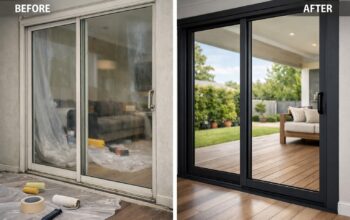
Additionally, opening windows during mild days can reduce reliance on central air conditioning. Speaking of which, central air conditioners can use up to 3,500 watts of energy, making it important to limit unnecessary use when outdoor temperatures are moderate. Combining natural ventilation with minor home improvements, such as sealing leaks in windows or doors, can save both energy and money during this transitional season.
Summer: Cooling Without Overuse
Summer brings high temperatures and rising energy bills. To keep your home cool efficiently, use fans and shade strategically before relying heavily on air conditioning. Ceiling fans and portable units can circulate air effectively, allowing you to raise the thermostat slightly without sacrificing comfort.
Interior design also plays a role in energy efficiency during summer. Cool colors help reduce the visual heat of the room, making spaces feel fresher even when temperatures rise. Lighter cabinetry, reflective surfaces, and strategic placement of plants can complement the color scheme and maintain a bright, airy atmosphere without increasing energy use.
Autumn: Preparing for Cooler Weather
Autumn is a time to shift focus from cooling to preparing your home for the colder months. Inspect your home’s insulation, check for drafts, and ensure windows and doors are properly sealed. These adjustments keep warm air inside and reduce the need for electric heaters, which can significantly impact energy bills.
This is also an ideal time to service your heating system. Clean filters, checked ducts, and maintained equipment not only prolong the lifespan of your system but also ensure it operates efficiently. Remember, it’s best to clean your air ducts every three to five years, and scheduling this maintenance in autumn helps your heating system perform optimally during winter’s peak demand. Additionally, layering energy-efficient curtains and using draft stoppers can help maintain indoor warmth with minimal energy use.
Winter: Maximize Heating Efficiency
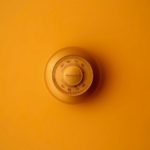
In winter, heating becomes the largest contributor to household energy consumption. Efficient strategies include programming thermostats to reduce heat when rooms are unoccupied, sealing unused vents, and utilizing rugs or thermal curtains to insulate floors and windows. If your home uses a central air conditioning system that also functions as a heater, remember that these units can consume significant electricity, so using them strategically is key to reducing costs.
Interior color schemes can subtly aid your comfort as well. Cool-toned palettes such as dusty blue or charcoal can be paired with warmer lighting and natural wood accents to create a cozy yet modern environment. This approach ensures your home feels inviting without relying excessively on heating systems to provide psychological warmth.
Year-Round Energy-Saving Habits
While each season requires specific strategies, certain habits keep your home energy efficient year-round. Regular maintenance of HVAC systems, including cleaning filters and scheduling professional duct inspections, is fundamental. Energy-efficient appliances, LED lighting, and smart power strips reduce electricity consumption across all months.
Landscaping also contributes to savings. Planting deciduous trees on the sunny side of your home provides shade in summer while allowing sunlight to warm your house in winter. Similarly, installing awnings or reflective window treatments can reduce cooling costs during summer and protect interiors from UV damage.
Smart Lighting and Appliance Use
Lighting and appliances are easy places to implement energy savings throughout the year. Replace incandescent bulbs with LEDs, which use a fraction of the energy and last longer. Take advantage of natural daylight by arranging living spaces around windows, which complements design schemes like Cool Country by highlighting the soft, muted tones that reduce the need for artificial lighting.
Energy-efficient appliances also play a key role. Modern refrigerators, washing machines, and dishwashers are designed to minimize power use without compromising performance. Pairing these appliances with behavioral changes, such as running full loads, using eco-friendly settings, and unplugging electronics when not in use, can cumulatively result in noticeable energy and cost savings.
Seasonal Adjustments for Comfort and Savings
To maintain energy efficiency, it’s important to adapt your home to seasonal conditions. In spring and summer, focus on ventilation, shading, and cooling design elements. During autumn and winter, prioritize insulation, heating efficiency, and energy-conscious interior design. Even subtle changes, like switching to warmer lighting in winter or adopting the Cool Country kitchen palette in warmer months, can affect perceived comfort and reduce reliance on energy-intensive systems.
Technology and Automation
Smart home technology is an increasingly accessible way to save energy year-round. Programmable thermostats, smart plugs, and energy monitors allow homeowners to track usage and adjust systems automatically. For example, you can schedule your HVAC system to pre-cool or pre-heat spaces only when necessary.
Integration with smart lighting, blinds, and fans ensures your home adapts to external conditions and occupancy patterns. Automation combined with seasonal awareness creates an energy-efficient environment that doesn’t compromise comfort or style.
Keeping your home energy efficient throughout the year is achievable with a combination of seasonal strategies, maintenance routines, and thoughtful interior design. By cleaning air ducts regularly, using central air conditioning judiciously, and incorporating style trends like Cool Country, homeowners can enjoy savings, comfort, and a beautiful living space in every season. Small adjustments and consistent habits add up over time, making sustainable, cost-effective living a reality regardless of the weather outside.