You step out of the shower, and your skin feels dry. Your white laundry looks dingy, and your dishwasher leaves cloudy spots on your glasses. Does this sound familiar? If they do, you are experiencing classic signs of hard water.
Fortunately, homeowners do not have to live with it. Enter water softeners in Jefferson, NJ. Here, we discuss why hard water does not need to be a hard problem to deal with.
Is Hard Water Really a Problem?
Hard water is simply water with high levels of calcium and magnesium. These minerals build up over time and interfere with everyday tasks like cleaning, bathing, and washing clothes. Unlike soft water, hard water does not rinse soap away easily, often leaving residue behind on everything it touches.
“Hard water is not dangerous to drink,” says a licensed plumber. “It can, however, wreak havoc on your home over time.”
How to Tell If You Have Hard Water
Not sure if hard water is the problem? You don’t need a lab test to spot the signs. Just pay attention to what’s happening around your home.
Common signs of hard water include:
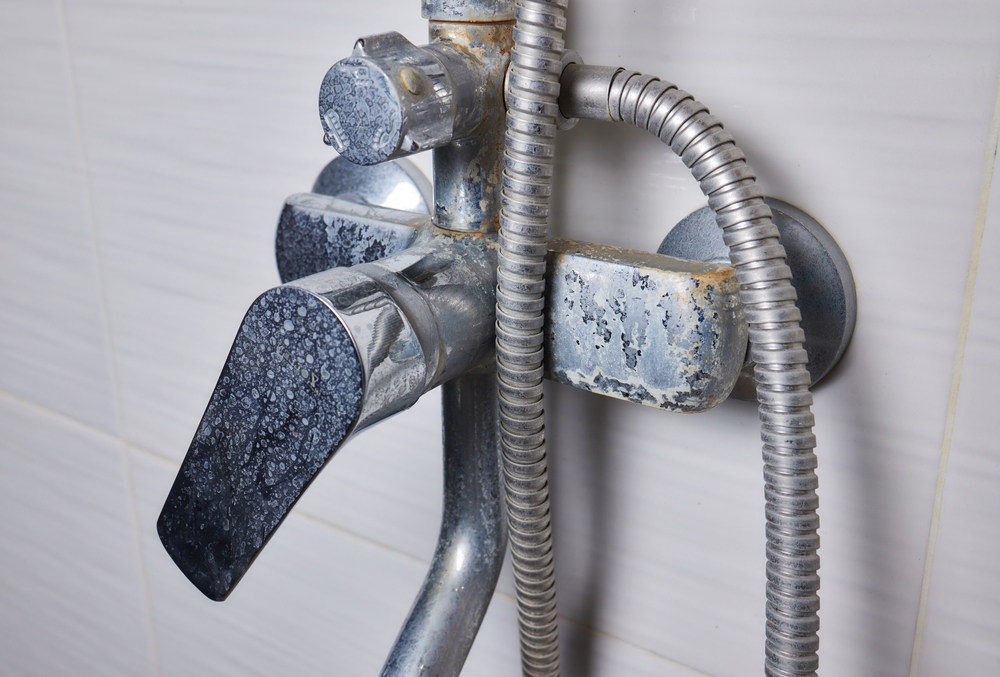
- White or chalky buildup on faucets and showerheads
- Stiff or faded laundry after washing
- Itchy skin and dry, brittle hair
- Soap that doesn’t lather easily
- Scale buildup inside kettles or coffee makers
Act fast if you see any of these signs.
Why It’s More Than Just a Nuisance
Hard water causes slow damage that adds up over the years. One eye-opening effect felt by homeowners is reduced water flow, forcing systems to work harder. This is caused by minerals that stick to the inside of pipes and appliances. A consequence of this is expensive breakdowns and higher energy bills.
“Water heaters with hard water buildup use up to 29% more energy,” says an energy consultant.
Hard Water vs. Soft Water: A Quick Comparison
Do you know the difference between hard water and soft water? Understanding the difference helps you make the right choice for your home. Here’s a side-by-side look:
Hard Water:
- Contains calcium and magnesium
- Causes buildup and soap scum
- Dries out skin and dulls laundry
Soft Water:
- Removes minerals through treatment
- Cleans better and rinses easily
- Leaves skin and clothes feeling soft
Choosing soft water improves comfort while protecting your investment. It’s a win-win.
Is Soft Water Better Than Hard Water?
A water softener installation is a reliable and cost-effective solution against hard water. It removes calcium and magnesium before they reach your faucets and appliances. Over time, it pays for itself in energy savings and reduced repair costs.
“We’ve seen water softeners extend the life of water heaters by up to five years,” says a local appliance technician.
If you’re serious about solving your hard water problem, having a water softener installed should be your starting point.
Can I Install It Myself?
Some water softener systems are DIY-friendly, especially if you’re handy and have plumbing knowledge. But incorrect installation can cause leaks or void your warranty. In most cases, hiring a professional ensures proper setup and long-term reliability.
Installation considerations:
- Choose the right size for your home’s water usage
- Install near your main water line, before the heater
- Make sure there’s access to a power source and a drain
Don’t cut corners. When having a water softener installed, it’s better to get it right the first time.
Don’t Forget Maintenance
A water softener isn’t a “set it and forget it” appliance. It requires routine care to keep it working effectively. The good news is that it only takes a few simple tasks to keep your system running smoothly.
Water softener maintenance checklist:
- Check salt levels monthly and refill as needed
- Clean the brine tank once or twice a year
- Inspect for leaks and replace filters if applicable
Regular upkeep ensures your softener does its job day after day.
Hard Water and Your Appliances: A Costly Relationship
Hard water shortens the lifespan of your most expensive appliances. It forces them to work harder, increases energy use, and causes premature wear. Water heaters, washing machines, dishwashers, and even coffee makers suffer over time.
“We replace more appliances due to hard water damage than for actual mechanical failure,” notes an appliance retailer.
Protecting your investment starts with protecting your water.
Hard water is one of those problems that creeps in quietly but causes lasting damage. If you are tired of dealing with this problem, know that it isn’t something you have to live with.
By investing in a quality water softener, you’re making a long-term choice to protect your home, your health, and your wallet.