If you spend time with growers these days, you’ll notice a common theme running through their conversations: traditional farming is getting harder to rely on. The weather swings more wildly, water doesn’t stretch as far as it used to, and good soil feels like a shrinking resource. That pressure has pushed many farmers to look beyond conventional methods, and that’s where hydroponic solutions have started stepping into the spotlight. Miilkiia, a company operating in dozens of countries, has become one of the names growers often mention when discussing dependable, soil-free farming systems that keep crops steady even when the climate refuses to cooperate.
Miilkiia’s Place in the New Farming Landscape
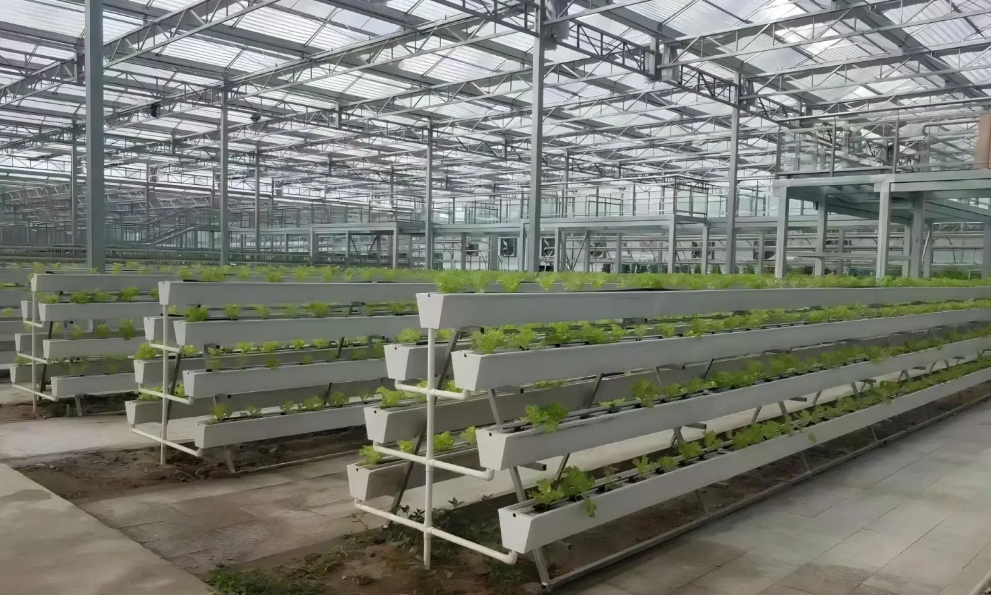
Miilkiia isn’t trying to reinvent how food grows in some futuristic way; instead, they focus on building systems that help farmers work with what they have. Their catalog ranges from greenhouse structures to hydroponic channels, vertical setups, and compact container farms. What stands out when reading through their material is how much they’ve designed these systems with climate extremes in mind. They openly state that their structures can handle everything from blistering 45°C heat to below-freezing winter spells.
Because of that durability, you’ll find Miilkiia equipment in places where traditional soil farming has been unreliable for years. Growers who want consistent harvests, whether they’re in desert climates or areas hit hard by seasonal swings, tend to gravitate toward systems that don’t collapse under weather stress. And since Miilkiia offers multiple styles of hydroponics — NFT channels, raft systems, Dutch bucket layouts, and vertical towers — growers aren’t boxed into a single method.
Why Hydroponic Solutions Are Becoming So Important
Hydroponics isn’t trending because it’s “high-tech.” It’s growing because it solves real problems that farmers face daily. One of the biggest advantages is water efficiency. Studies show that hydroponic setups can use around 90 percent less water than soil-based farming, mostly because the water is recirculated instead of lost to the ground or evaporating under the sun. For countries dealing with water stress, this difference is enormous.
Hydroponic crops also tend to grow faster, simply because the plants aren’t wasting energy searching for nutrients. The nutrients are delivered straight to the roots in carefully balanced amounts. Research published through the National Institutes of Health has repeatedly shown that hydroponic systems can deliver higher yields in less time — especially in controlled environments like greenhouses where temperature isn’t allowed to swing wildly.
Another factor behind hydroponics becoming mainstream is the lack of usable land in many regions. Cities are expanding, farmland is shrinking, and the remaining soil isn’t always healthy. But hydroponics doesn’t rely on soil at all, which opens the door to growing food in apartment rooftops, small warehouses, and even old shipping containers. Miilkiia’s focus on vertical towers and container farms lines up perfectly with this shift toward compact, space-saving agriculture.
The Technology That’s Quietly Powering Hydroponics
Something that often gets overlooked is how modern hydroponics has grown alongside improvements in digital monitoring. Researchers have been testing IoT-based greenhouses — essentially smart systems that adjust nutrient levels, pH balance, and temperature without constant human intervention. A study published in recent years showed how automated adjustments keep growth conditions stable even when the weather outside fluctuates wildly.
Other research focusing on NFT systems noted that constant nutrient flow can make plants significantly more resilient, as long as energy consumption is managed well. This is part of why insulated greenhouse designs matter so much. Miilkiia leans into this idea by producing structures that hold steady even when the outside world swings between extremes.
What all of this means is simple: hydroponics is no longer just about growing plants in water. It’s about using data, sensors, and smarter design to give crops the kind of consistency and stability that soil can’t always guarantee anymore.
How Miilkiia Supports Today’s Growers
For large-scale producers, Miilkiia’s greenhouse and channel systems offer something invaluable — predictability. When crops aren’t held hostage by heatwaves, unexpected storms, or poor soil seasons, businesses can plan their output with more confidence. For smaller households or urban growers, the company’s smaller vertical or container setups offer a realistic way to grow fresh produce without needing a backyard.
In areas where water scarcity is already a daily challenge, switching to hydroponic solutions can be the difference between a successful harvest and constant struggle. Because these systems reuse water instead of wasting it, growers can keep producing even when rainfall becomes unreliable. The reduced need for pesticides is another benefit, since the controlled environment leaves less room for soil-borne diseases.
Conclusion
The pressures facing modern agriculture aren’t going away anytime soon. But solutions that help growers adapt — without needing endless water, pristine soil, or predictable weather — are steadily becoming part of the mainstream. Hydroponics sits right at the center of that shift, and Miilkiia’s approach shows how accessible this method can be when designed thoughtfully.
Their systems echo the future of farming: controlled, efficient, stable, and less dependent on environmental luck. As more communities look for ways to secure their food supply in a changing climate, hydroponic solutions like the ones Miilkiia builds may become not just an option, but a necessity.