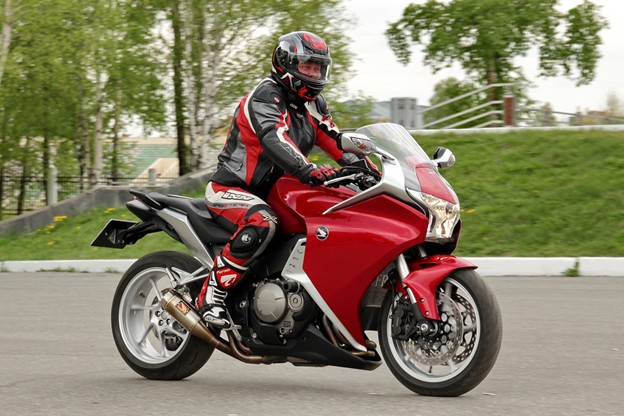
Motorcycling is an exhilarating activity that offers a sense of freedom that many riders cherish. However, this freedom comes with its own set of risks. Understanding how to stay safe on the road can make a significant difference in your riding experience and help ensure you return home safely after every ride.
Motorcycle safety comes down to gear, awareness, and control.
Wear a helmet, ride defensively, maintain your bike, and stay alert — these simple habits can significantly reduce accident risks.
🔑 Key Takeaways
- Motorcycles make up only 3% of vehicles but ~15% of fatalities
- Helmets are the most important safety gear
- Defensive riding can prevent most accidents
- Weather and road conditions play a major role
- Regular maintenance is critical for safety
Understanding the Risks
Riding a motorcycle inherently carries a greater risk when compared to driving a car. One of the primary dangers motorcyclists face is the possibility of head injuries. According to the Insurance Institute for Highway Safety (IIHS), head injuries consistently rank among the most prevalent types of injuries associated with motorcycle accidents.
This concern is compounded by the statistics surrounding motorcycling. While motorcycles constitute a mere three percent of all registered vehicles in the United States, according to AutoInsurance.com, they are responsible for approximately 15 percent of all traffic fatalities. This stark statistic underlines the necessity for riders to adopt safe practices and remain vigilant on the road.
Accidents can occur without warning, often due to factors outside the rider’s control, including weather conditions and the actions of other drivers. With an estimated five to six million car accidents occurring annually in the U.S., according to Consumer Shield, it’s vital for motorcyclists to remain aware of their environment and develop defensive riding habits that may prevent accidents.
Painful Consequences
The aftermath of a motorcycle accident can be devastating, both physically and emotionally. Injuries sustained in these incidents can lead to long-term consequences, including chronic pain, lost wages, and significant medical expenses. When riders do not take the necessary precautions, the results can be catastrophic.
Legal implications can also arise from motorcycle accidents, especially if a rider is found at fault or is involved in an accident without adequate insurance. Riders must familiarize themselves with local laws and regulations, ensuring that they carry proper insurance coverage and understand their legal rights. Failing to do so can result in serious financial repercussions that extend beyond medical bills.
Moreover, the emotional strain post-accident can be immense. Not only do riders face physical recovery, but they also have to navigate the psychological impact of being involved in a traumatic event. This can lead to anxiety, PTSD, and a general reluctance to ride again, further emphasizing the importance of safety measures.
Tips for Safe Riding
To mitigate the risks associated with motorcycling, adopting a proactive approach to safety is essential. First and foremost, wearing protective gear such as helmets, gloves, and padded jackets can significantly reduce the severity of injuries during a fall or collision. Helmets, in particular, are crucial; they are designed to absorb impact and protect the head, a major necessity given the high rates of head injuries in motorcycle accidents.
Additionally, riders should undergo motorcycle safety training courses to enhance their skills and increase their awareness of safe driving practices. Learning how to avoid common hazards, such as road debris or sudden stops, can make a considerable difference in a rider’s ability to respond effectively in dangerous situations. These courses often emphasize defensive riding techniques, which can help prevent accidents caused by inattentive drivers.
Moreover, evaluating road conditions before riding is paramount. Riders should always be mindful of weather conditions, as rain or snow can substantially impact traction and visibility. By checking the forecast and planning rides accordingly, motorcyclists can avoid unnecessary hazards and make informed decisions about when and where to ride.
Maintaining Your Motorcycle
Motorcycle Maintenance Checklist
Before every ride:
- ✅ Check tire pressure
- ✅ Test brakes
- ✅ Check lights
- ✅ Inspect chain and oil
- ✅ Ensure fuel level
Proper maintenance of your motorcycle is critical for safe riding. Regularly checking and maintaining brakes, tires, and lights can prevent mechanical failure while on the road. Riders should establish a routine that includes inspections and necessary repairs, ensuring their motorcycles are in optimal condition.
Additionally, understanding your motorcycle’s operations can enhance your safety. Familiarity with how the bike performs in different conditions equips riders to adjust their riding techniques accordingly. This knowledge not only boosts a rider’s confidence but also allows them to react appropriately to unforeseen challenges.
Lastly, embracing technology can also play a significant role in maintaining safety. Utilizing apps that provide real-time weather updates, traffic information, or even reminders for maintenance checks can help riders stay informed and prepared for their journeys. With the right tools, staying safe on the road becomes more manageable and effective.
Ultimately, being well-informed and responsible is crucial in making informed choices about your safety and legal responsibilities as a rider. With proper precautions and awareness, you can navigate the roads with confidence, ensuring enjoyable and safe rides for yourself and others sharing the road.
Conclusion
Motorcycling is thrilling — but safety should always come first.
Small habits like wearing a helmet, staying alert, and maintaining your bike can make a huge difference.
👉 Ride smart, stay visible, and always prioritize safety.
FAQs
What is the safest way to ride a motorcycle?
Ride defensively, wear protective gear, follow traffic rules, and stay visible at all times.
Are helmets really necessary?
Yes. Helmets significantly reduce the risk of fatal head injuries.
What are the most common motorcycle accidents?
Collisions with cars, especially when vehicles turn without noticing the rider.
How can beginners stay safe on motorcycles?
Start slow, take training courses, avoid highways initially, and always wear safety gear.
Is riding in rain dangerous?
Yes. Wet roads reduce traction and increase stopping distance.