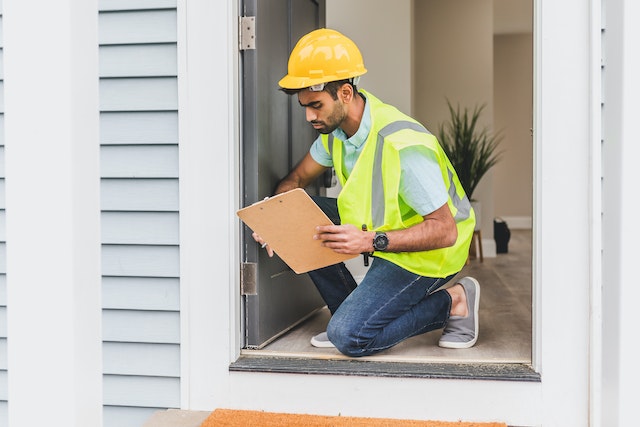
A fire door inspection is a safety assessment that checks whether fire doors can properly contain fire and smoke during emergencies.
Fire doors play a critical role in protecting lives and property during emergencies. These specially designed doors help slow the spread of fire and smoke, giving people more time to escape safely and allowing emergency responders to control the situation more effectively.
However, a fire door can only perform properly if it is regularly inspected and maintained. Even small issues like damaged seals, broken hinges, or improper gaps can reduce its ability to contain fire. That is why routine fire door inspections are an essential part of building safety and fire protection compliance.
Whether in apartments, offices, hospitals, schools, or commercial buildings, regular inspections help ensure that fire doors remain fully functional when they are needed most. In this guide, we will explain why fire door inspections are important, what inspectors look for, and how proper maintenance can improve overall fire safety.
What Is a Fire Door Inspection?
A fire door inspection is a detailed safety check that ensures a fire door can properly resist the spread of fire and smoke during an emergency. The inspection focuses on whether the door and its components are installed correctly, functioning properly, and meeting fire safety standards.
Fire doors are more than just heavy doors. They are part of a building’s passive fire protection system and are designed to compartmentalize fire, protect escape routes, and reduce damage. Over time, wear and tear, poor maintenance, or unauthorized modifications can affect how well these doors perform.
During a fire door inspection, trained professionals examine several important components, including:
- Door leaf and frame condition
- Gaps around the door
- Hinges and hardware
- Intumescent and smoke seals
- Self-closing mechanisms
- Glass panels and glazing
- Certification labels and signage
Inspectors also check whether the door closes fully without obstruction and whether any damage could compromise its fire resistance. Even small defects can prevent a fire door from functioning correctly during a real emergency.
Regular inspections help building owners identify problems early, maintain compliance with fire safety regulations, and ensure occupants remain protected.
Why Fire Door Inspections Are Important
Fire door inspections are an essential part of any commercial or residential building. Fire exits act as a barrier between potentially hazardous areas and the rest of the structure, providing added protection in case of a fire. Fire exits also help slow down the spread of smoke and heat, allowing more time for occupants to escape safely with nfpa 80.
Protects Lives During a Fire
One of the biggest reasons for fire door inspections is life safety. Fire doors create barriers that help contain fire and smoke in one area, giving occupants more time to evacuate safely. If a fire door fails to close properly or has damaged components, the fire can spread much faster throughout the building.
Prevents Smoke and Fire Spread
Smoke is one of the leading causes of death during fires. Fire doors are designed to block both flames and smoke from moving between rooms and hallways. Regular inspections help identify damaged seals, gaps, or structural problems that may allow smoke to pass through.
Keeps Escape Routes Safe
Hallways, stairwells, and emergency exits must remain protected during a fire. Fire doors help keep these escape routes clear so people can evacuate safely. Inspections ensure these doors close fully and operate correctly without obstruction.
Reduces Property Damage
Containing a fire to a smaller area can significantly reduce building damage and repair costs. Fire doors help limit the spread of heat, smoke, and flames, protecting valuable equipment, furniture, and property inside the building.
Helps Meet Fire Safety Regulations
Many commercial and residential buildings are required to conduct routine fire door inspections to comply with local fire safety codes and building regulations. Failure to inspect and maintain fire doors can lead to penalties, legal issues, or failed safety audits.
Supports Insurance Compliance
Insurance providers may require buildings to follow proper fire safety practices, including maintaining fire doors. Regular inspections can help demonstrate compliance and may reduce complications during insurance claims related to fire damage.
Identifies Problems Before They Become Serious
Minor issues like loose hinges or damaged seals may seem small at first, but they can greatly affect a fire door’s performance. Routine inspections help catch these problems early, allowing building owners to repair them before they become major safety risks.
3 Tips for a Successful Fire Exits Inspection
Fire safety is of paramount importance for both commercial and residential buildings, and a Fire Watch Company plays a key role in maintaining it. Fire doors play an essential role in fire safety by creating a barrier between the fire and other parts of the building, providing people with an escape route, and helping to contain smoke and toxic gases. To ensure that fire doors are working properly, regular inspections should be carried out. Here are three tips for making sure your fire exits inspection is successful:
1. Check all components:
A comprehensive inspection of a fire gate will check every component including the frame, hardware, seals, glazing, hinges, locks, and signage. It’s important to look for signs of damage or corrosion as these can affect how well the door will perform in an emergency situation.
2. Test the door:
In addition to checking for physical damage, it’s important to test the door to make sure it opens and closes properly. The closing force should also be checked as this will affect how well the door seals against smoke and heat.
3. Document your inspection:
It’s important that you document every step of your fire gate inspection so that you have a record of when it was done and what was found. This will help you identify any issues quickly which can save time and money if they need fixing in the future.
In the end
Fire doors play an important role in keeping people safe and preventing fires from spreading. By having regular inspections of fire gates, building owners can ensure they are up to code and working as intended. In addition, regulations vary between states so it is important to be aware of the specific requirements for your location or area.
FAQs About Fire Door Inspections
How often should fire doors be inspected?
Most fire doors should be inspected at least once a year, while high-traffic buildings may require more frequent checks.
What happens during a fire door inspection?
Inspectors check the door, frame, seals, hinges, gaps, and self-closing mechanisms to ensure the fire door functions correctly.
Are fire door inspections legally required?
In many commercial and residential buildings, regular fire door inspections are required to meet fire safety regulations.
Can damaged fire doors still work properly?
Even small damage can reduce a fire door’s ability to stop smoke and fire spread during emergencies.
Who can inspect fire doors?
Qualified fire safety professionals or certified fire door inspectors should carry out official inspections.
What are the most common fire door problems?
Common issues include damaged seals, improper gaps, broken hinges, and doors that fail to close fully.
Enjoy Worthview?
Add Worthview as a Preferred Source on Google to see more of our stories in Search.

Worthview Editorial Team is the shared byline for content created collaboratively by Worthview’s editors and contributors. Since 2008, we’ve published thousands of articles across technology, AI, finance, health, home, travel, and lifestyle. Our editorial process emphasizes original research, reputable sources, regular content updates, and clear attribution. Articles covering higher-trust topics, including health and finance, may also undergo review by qualified subject-matter experts.