A beautiful kitchen or a fresh coat of paint might catch the eye, but outdated wiring behind the walls? That’s what could kill a sale.
Today’s real estate market is cutthroat, and property managers and homeowners can’t afford to ignore investing in residential electrical services in Deltona, FL. Remember, electrical systems are a key factor in home value, safety, and buyer confidence.
Do I Need to Upgrade My Electrical Wiring?
Outdated electrical systems are more than just inconvenient. They’re a safety hazard and a deal-breaker for informed buyers. Modern homes demand more power, and old systems just weren’t built for today’s usage.
What outdated wiring causes:
- Frequent breaker trips
- Dimming or flickering lights
- Discolored or warm outlets
- Inability to support smart appliances and energy-efficient systems
“When we walk into a property with aluminum or knob-and-tube wiring, we know that’s a major red flag,” says a licensed electrical installation electrician. “Buyers walk away if they see too many electrical issues.”
Identifying the Warning Signs
Not sure if your property needs an upgrade? Your home might be giving off symptoms that an overhaul is due. These show that your electrical system might be on its last leg:
- Breakers trip when running basic appliances
- The lights dim when the microwave turns on
- Outlets look burned or feel warm to the touch
- Switches make a buzzing sound
- You still have a fuse box instead of a breaker panel
Talk to a licensed electrician if these problems show up repeatedly.
Boosting Property Value With Electrical Upgrades
Buyers often approach fixer-uppers with caution. Expect people in the market for a home to prefer houses with modern wiring, grounded outlets, an updated panel, look cared-for, and are move-in ready. And yes, it’s a value booster.
You can impress buyers by adding the following to your home:
- GFCI outlets in bathrooms, kitchens, and garages
- Tamper-resistant outlets for safety
- Clean, labeled breaker panels with space for expansion
- Whole-home surge protection
Though not flashy, these additions are worthwhile and signal long-term savings and safety.
Safety First: The Fire Hazard No One Talks About
Outdated wiring is a danger to everyone in your home. Old or damaged electrical systems cause thousands of house fires in the U.S. every year. Aluminum and knob-and-tube wiring are especially risky because of loose connections and overheating.
To reduce the risk:
- Replace ungrounded or two-prong outlets
- Upgrade to AFCI/GFCI protection where needed
- Eliminate daisy-chained extension cords or outlet splitters
- Replace cracked or brittle wire insulation
“Upgrading old wiring can mean the difference between a near-miss and a devastating house fire,” warns a home inspection specialist.
What Is The Process To Upgrade An Electrical Panel?
Many homes still run on 60 or 100-amp panels, despite today’s standards requiring at least 200 amps. That means you’ll need to upgrade your electrical panel to support modern living.
The Electrical Panels Upgrade Process:
- Contact the utility company to shut off power
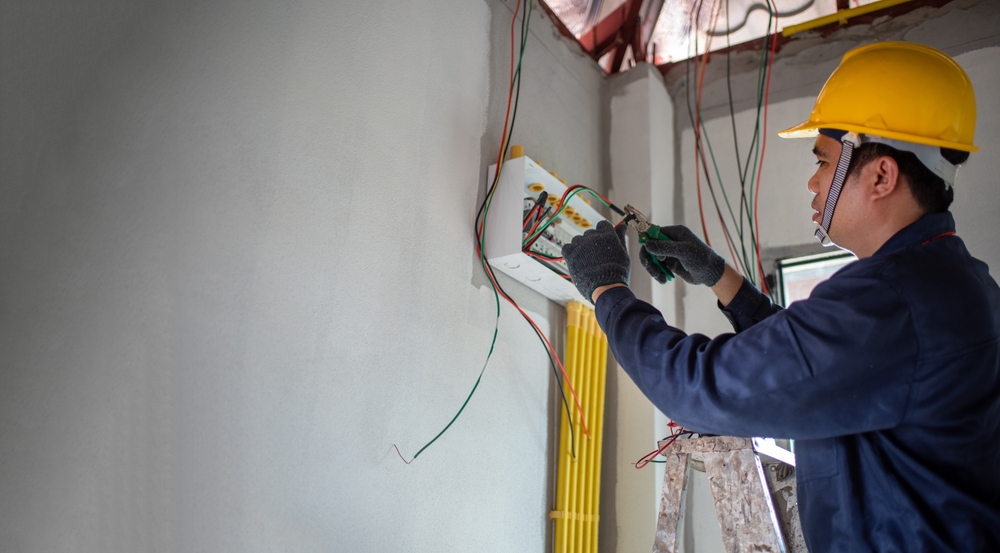
- A licensed electrician removes the old panel and inspects all connections
- New breakers, a panel board, and grounding rods are installed
- Power is restored after a final inspection
The job typically takes one day, depending on the complexity.
Staying Code-Compliant (And Why That Matters)
Selling a home with unpermitted or non-code-compliant wiring is a disaster waiting to happen. Mortgage lenders, insurance companies, and inspectors can all throw up roadblocks if your system isn’t up to code.
Code compliance ensures:
- Your buyer can get insurance and financing
- You avoid failed inspections or costly rework
- Long-term safety and efficiency are built in
Upgrades also make your property eligible for insurance discounts in some cases.
The Real Cost of Ignoring the Problem
Ignoring electrical problems costs more to fix the longer you put it off. Discolored outlets, flickering lights, and panel issues are all red flags during a showing.
These problems can cause price reductions after a thorough inspection. You can also lose deals due to failed financing. Lastly, skyrocketing insurance premiums are a consequence that property managers should prepare for should they ignore electrical problems for too long.
Modern buyers want a home, not the problems caused by previous residents. They want homes that are ready for life right now.
Don’t let electrical issues kill your sale. Buyers today are sharp. They look for what really matters: safety, efficiency, and long-term value. Upgrading your wiring, outlets, and switches may not be glamorous, but it’s one of the smartest investments you can make.