Have you ever asked yourself why farmers care so much about fresh air inside barns?
Animals, just like humans, need proper airflow to feel comfortable and stay active. Barn ventilation systems are the simple answer to keeping animals in good health, giving them a calm space, and supporting their productivity.
Let’s look closely at how these systems make life easier for both animals and the people who care for them.
Why Barn Ventilation Matters
When animals spend most of their time inside barns, the air around them plays a big role in how they feel and how well they grow. Proper barn ventilation creates a healthy flow of fresh air that removes humidity and keeps the temperature balanced.
This is important because animals perform better when they are in a comfortable environment. Farmers in every part of the country know that good air circulation leads to better results.
The idea is simple—fresh air helps animals stay active, eat properly, and rest well. All these factors combine to improve their productivity.
Fresh Air for Better Comfort
One of the main benefits of barn ventilation is comfort. Animals are more relaxed when the air feels fresh. A calm environment encourages them to eat on time, drink water regularly, and rest without stress. With this balance, their growth and productivity remain steady.
How Barn Ventilation Supports Animal Health
Animal health is always a priority on farms. A well-ventilated barn helps animals stay strong by maintaining clean air around them. This makes a huge difference in their daily life.
Maintaining Proper Airflow
Ventilation systems keep the air moving, which stops the barn from feeling stuffy. Animals benefit from continuous airflow because it helps them feel more active during the day.
Balanced Temperature
Comfort depends a lot on temperature. A barn that feels too hot or too cold can affect animal activity. Ventilation systems make sure the temperature stays balanced, so animals feel the same level of comfort throughout the day and night.
Humidity Control
When the moisture in the air is balanced, animals stay more comfortable. Ventilation helps maintain the right humidity level, which supports their overall well-being.
How Ventilation Influences Productivity
Productivity on a farm is connected to how well animals eat, rest, and stay active. Barn ventilation plays a direct role in all of these.
Encouraging Better Feeding Habits
Animals in a comfortable barn eat more regularly. They don’t feel tired or stressed, which supports steady growth. When animals feed well, productivity naturally improves.
Supporting Healthy Growth
Ventilation creates the right environment for animals to grow without stress. When conditions are consistent, growth remains stable. Farmers notice that animals in well-ventilated barns reach better levels of performance.
Helping With Daily Activity
Animals feel more active when the air is fresh. They move around easily and remain alert, which helps them maintain natural routines. This activity supports their strength and health, adding to overall productivity.
Different Ways Barn Ventilation Works
There are different methods used in barns to keep air moving. Each one plays a role in creating comfort and supporting productivity.
Natural Ventilation
This method makes use of open spaces and natural airflow. It allows fresh air to move inside the barn while letting out warm or moist air. Simple openings or curtains make this possible, and animals benefit from the natural flow of air.
Mechanical Ventilation
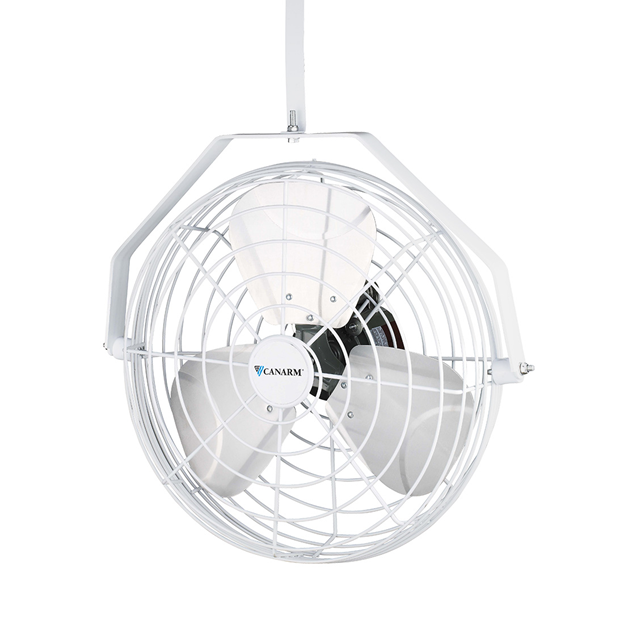
Fans are often used in barns to move air more effectively. These systems ensure that airflow stays steady even when the weather outside is not favorable. With proper placement, fans distribute fresh air evenly across the barn.
Combination Systems
Some barns use a mix of natural and mechanical systems. This approach brings in natural air while also using equipment to keep airflow constant. The result is a comfortable and balanced environment for animals.
Simple Tips for Farmers Using Ventilation Systems
Ventilation works best when it is managed carefully. Farmers can follow some simple steps to make sure the system continues to support comfort and productivity.
- Keep air pathways clear to allow smooth airflow
- Check that fans or openings are not blocked
- Adjust systems according to seasonal changes
- Monitor how animals behave, as their comfort shows if airflow is working well
These easy steps make sure the barn remains comfortable for animals every day.
Why Barn Ventilation Brings Comfort and Productivity Together
The biggest advantage of barn ventilation is that it combines comfort with productivity. Animals feel better in a clean and calm environment, and this comfort directly supports how they eat, rest, and grow. For farmers, this means healthier animals and consistent results.
Ventilation is not just about moving air; it is about creating an environment where animals can live naturally and comfortably. The link between comfort and productivity is clear, and both depend on proper airflow.
Conclusion
Barn ventilation systems play an important role in farming by improving animal comfort and productivity. Fresh air, balanced temperature, and proper humidity together create a calm environment where animals thrive. With comfort comes better feeding, more activity, and stronger growth. For farmers, ventilation is not only about barns—it is about giving animals the care they need to stay healthy and productive.
Enjoy Worthview?
Add Worthview as a Preferred Source on Google to see more of our stories in Search.

Worthview Editorial Team is the shared byline for content created collaboratively by Worthview’s editors and contributors. Since 2008, we’ve published thousands of articles across technology, AI, finance, health, home, travel, and lifestyle. Our editorial process emphasizes original research, reputable sources, regular content updates, and clear attribution. Articles covering higher-trust topics, including health and finance, may also undergo review by qualified subject-matter experts.