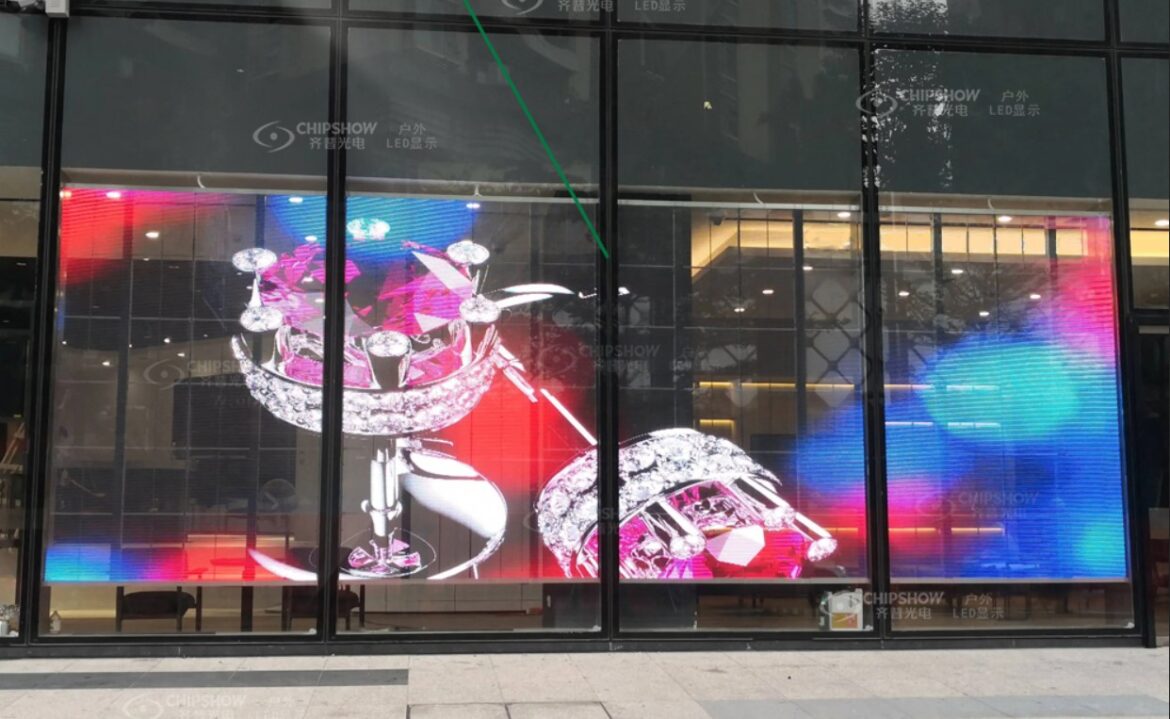
Outdoor transparent LED displays offer a compelling answer. These innovative screens overlay vivid, dynamic digital content onto glass surfaces while preserving the natural sightlines customers expect. Unlike opaque digital billboards, an outdoor transparent LED display lets light pass through, keeping your storefront open and inviting while simultaneously broadcasting promotions, brand stories, and real-time offers to anyone walking by.
In this article, we’ll explore the technology behind these displays, unpack their core benefits for retail environments, and walk through practical implementation strategies that retail managers can act on immediately. We’ll also break down the cost comparison between transparent and traditional displays, and examine advanced innovations like Featherlight and C-Mesh technology that are reshaping what’s possible in modern retail advertising. Whether you’re planning a single flagship upgrade or a multi-location rollout, this guide gives you the insights to make a confident, informed decision.
Understanding Outdoor Transparent LED Displays
An outdoor transparent LED display is a screen built from a grid of LED modules mounted on a see-through substrate, allowing light and sightlines to pass through the panel while still projecting bright, full-color content. The core technology relies on thin LED strips or mesh-like structures with significant open space between the light-emitting elements.
Transparency rates typically range from 50% to over 90%, meaning the majority of the panel’s surface area remains visually open rather than opaque. This fundamental characteristic separates transparent displays from conventional LED screens, which block everything behind them entirely.
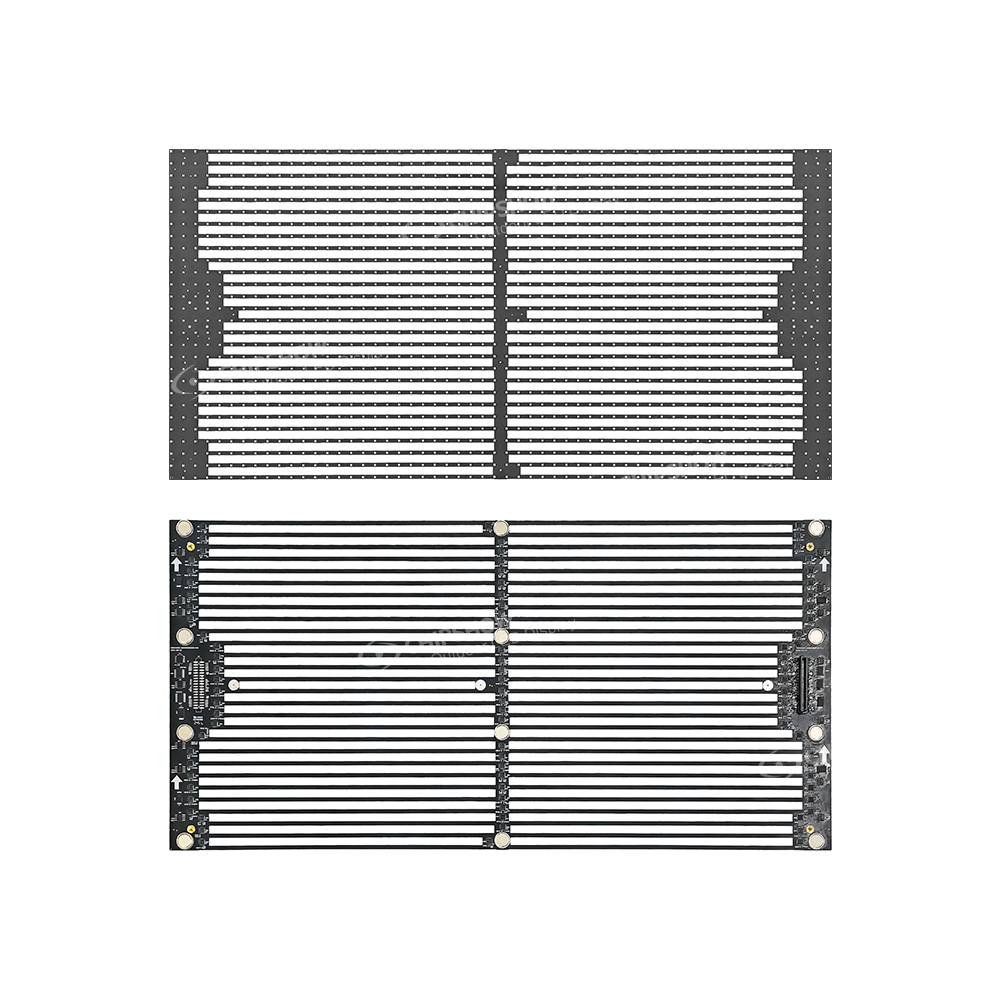
Traditional displays prioritize maximum brightness and pixel density across a solid surface, which works well for standalone billboards but becomes a liability when installed on storefronts, glass facades, or architectural features where visibility matters.
Outdoor transparent LED displays solve this tension by delivering dynamic visuals without sealing off the interior from the outside world. Shoppers can still see merchandise, store lighting, and staff activity through the screen, preserving the natural draw of a well-designed retail window.
For outdoor use specifically, these displays are engineered to handle weather exposure, UV radiation, and temperature fluctuations. IP-rated enclosures protect the electronics from rain and dust, while high-brightness LEDs compensate for direct sunlight to keep content legible throughout the day.
Technologies like C-Mesh technology take this further by structuring the LED elements within a flexible, stable mesh framework that enhances both transparency and structural resilience. Manufacturers such as Chipshow LED have developed outdoor transparent solutions built around these principles, making high-performance installations increasingly accessible for everyday retail environments.
These technical foundations make outdoor transparent LED displays a practical, durable choice for retail environments where performance and aesthetics must coexist.
Key Benefits of Outdoor Transparent LED Displays for Retail Stores
The most immediate advantage retailers notice is how dramatically dynamic content outperforms static signage in capturing pedestrian attention. An outdoor transparent LED display cycling through promotional videos, seasonal campaigns, or live social feeds creates movement that the human eye naturally tracks, drawing curious shoppers toward your entrance rather than past it. Unlike a poster or painted window graphic, the content can shift hourly to match foot traffic patterns, weather conditions, or flash sale timing—giving retail managers a genuinely responsive marketing tool rather than a fixed asset.
What makes transparent displays particularly valuable in retail is their ability to run in-store advertising without closing off the storefront. A conventional LED screen mounted in a window essentially turns that window into a wall, eliminating the visual merchandising opportunity entirely. Transparent displays preserve that open sightline, letting natural light flow inward while simultaneously broadcasting your message outward. Shoppers can still see your interior displays, staff, and product arrangements, which reinforces the inviting atmosphere that converts window browsers into paying customers.
Operational efficiency is another underappreciated benefit. Featherlight LED Display designs dramatically reduce the structural burden on window frames and mounting systems, meaning installation teams can complete setups without heavy reinforcement work or extended store closures. This portability also matters for retailers who rotate displays seasonally or across multiple locations. Combined with easy setup LED displays that connect to centralized content management platforms, managers can update messaging across an entire store network from a single dashboard without dispatching technicians on-site. The result is a marketing infrastructure that scales with your business while keeping day-to-day operational demands manageable.
Strategies for Implementing Transparent Displays in Retail Spaces
Successfully deploying an outdoor transparent LED display requires more than purchasing the right hardware. Retail managers need a structured approach that accounts for store layout, audience behavior, content strategy, and backend system compatibility. Rushing straight to installation without this groundwork often results in displays that technically function but fail to deliver measurable results. A deliberate, phased implementation process turns a capital investment into a genuine competitive advantage.
Planning and Placement Strategies
Start by mapping your store’s highest foot-traffic zones—main entrances, corner windows, and areas adjacent to pedestrian crossings typically offer the strongest exposure. Evaluate each candidate location for direct sunlight angles, since outdoor transparent LED displays need adequate brightness ratings to remain legible during peak daylight hours. Also assess structural factors: window frame load capacity, available power access, and weather exposure levels all influence which mounting configuration works best. A corner flagship window facing a busy intersection, for example, demands higher weather resistance ratings and wider viewing angles than a recessed entrance display. Retailers who have aligned display placement with natural customer flow patterns consistently report stronger engagement than those who simply fill available wall space.
Content Creation and Management
Dynamic content is only effective when it’s relevant and timely. Build a content calendar that aligns promotional messaging with foot traffic peaks—lunch-hour deals during midday, new arrivals on weekend mornings, and weather-triggered campaigns during seasonal shifts. Easy setup LED displays connected to cloud-based content management systems allow managers to push updates remotely without on-site technician visits, which is critical for multi-location retailers who need consistent messaging across stores. Keep individual content segments short, visually bold, and legible at a glance, since most passersby make split-second decisions about whether to stop. Scheduling automated rotations ensures your display always shows current, contextually appropriate content without requiring daily manual intervention.
Integration with Existing Retail Systems
Transparent displays deliver their strongest ROI when connected to the broader retail technology ecosystem rather than operating as isolated screens. Linking your display to a point-of-sale system allows real-time promotion of high-margin or low-stock items, creating urgency that static signage simply cannot replicate. Inventory database integration enables automatic content updates when featured products sell out, preventing the customer frustration of advertised items being unavailable. Before installation, confirm that your chosen display platform supports API connections to your existing retail management software, and test the data sync in a controlled environment before going live. This integration step transforms your outdoor transparent LED display from a passive advertising surface into an active, data-driven sales tool.
Cost Analysis: Transparent vs Traditional Displays
Retail managers evaluating any significant capital expenditure need a clear-eyed view of what they’re actually paying for—not just the sticker price, but the full financial picture across installation, operation, and eventual return. Transparent LED displays carry a higher upfront cost than conventional signage, but that comparison becomes far more favorable when you account for the complete cost of ownership. Understanding where the money goes, and where it comes back, is essential before committing to either technology.
Initial Investment and Installation Costs
Transparent LED displays typically require a larger initial outlay than traditional opaque screens of comparable size, primarily because of the specialized manufacturing required to achieve high transparency rates without sacrificing brightness. However, Featherlight LED Display designs offset a meaningful portion of this gap by eliminating the structural reinforcement work that heavy conventional displays demand. Lighter panels mean faster installation, less labor time, and no costly window frame modifications—savings that can substantially narrow the upfront cost difference between the two technologies.
Operational and Maintenance Expenses
Over a three-to-five-year operational horizon, transparent displays frequently outperform traditional screens on running costs. Modern transparent panels consume less power per square meter than older solid-panel equivalents, and C-Mesh technology contributes directly to this efficiency by optimizing the electrical pathways within the panel structure. The open mesh framework also reduces heat buildup, which is a primary driver of LED degradation—meaning fewer component failures, longer replacement intervals, and lower technician call-out costs over the display’s working life.
Return on Investment (ROI) Considerations
Quantifying ROI for retail signage requires connecting display performance to measurable sales outcomes. Retailers who have replaced static window graphics with outdoor transparent LED displays commonly report foot traffic increases ranging from 20% to 40% in the months following installation, with corresponding upticks in conversion rates when content is aligned to real-time promotions. When those gains are mapped against total cost of ownership—including installation, energy, and maintenance—most retail deployments reach breakeven within 18 to 30 months, making transparent displays a financially defensible upgrade for stores with consistent pedestrian exposure.
Advanced Features: Featherlight and C-Mesh Technology
Behind the broad category of outdoor transparent LED displays, two specific engineering advances are setting a new performance benchmark for retail applications: Featherlight LED Display design and C-Mesh technology. Understanding what each brings to the table helps retail managers evaluate not just whether to invest in transparent displays, but which technical specifications actually matter for their specific deployment context.
Featherlight LED Display construction addresses one of the most persistent friction points in retail digital signage: installation complexity. Traditional display panels carry substantial weight that demands reinforced mounting hardware, structural assessments, and extended installation windows that disrupt store operations. Featherlight designs strip away that burden by engineering panels with significantly reduced mass without compromising brightness or weather resistance. For retail managers overseeing multi-location rollouts or seasonal display rotations, this portability translates directly into faster deployment cycles, lower labor costs, and the flexibility to reposition displays as store layouts evolve. A display system that one technician can handle and reposition in hours rather than days fundamentally changes how retailers think about their signage infrastructure.
C-Mesh technology operates at the structural level of the panel itself, organizing LED elements within a precisely engineered mesh framework that maximizes open space between light-emitting points. This architecture serves two simultaneous goals: it pushes transparency rates higher than conventional transparent panel designs while also creating more stable, evenly distributed electrical pathways that reduce energy consumption and heat generation. For outdoor retail environments where displays run continuously across long operating days, that thermal efficiency directly extends component lifespan and reduces maintenance frequency. Together, Featherlight construction and C-Mesh technology represent a maturation of transparent display engineering—an area where Chipshow LED has invested heavily—that makes high-performance outdoor installations genuinely practical for everyday retail operations.
Making the Case for Transparent LED Displays in Modern Retail
Outdoor transparent LED displays represent a genuine shift in how retailers can approach storefront advertising—one that resolves the long-standing tension between dynamic digital content and the open, inviting aesthetics that draw shoppers inside. Throughout this article, we’ve examined the core technology that makes these displays possible, the tangible benefits they deliver in terms of foot traffic and engagement, and the practical implementation steps that turn hardware investment into measurable sales results.
The cost analysis makes a compelling case: while the upfront investment exceeds conventional signage, the combination of lower operational expenses, reduced maintenance demands through C-Mesh technology, and Featherlight designs that simplify installation consistently delivers breakeven within a reasonable timeframe. Meanwhile, the integration potential with POS and inventory systems elevates these displays from passive advertising surfaces to active, data-driven retail tools.
For retail managers weighing their next storefront upgrade, the question is no longer whether transparent LED technology is mature enough for real-world deployment—it clearly is. The more pressing question is how quickly your competitors will act on the same insight. If you’re ready to transform your storefront into a dynamic, engaging brand experience that captures attention without sacrificing store aesthetics, now is the right moment to evaluate outdoor transparent LED displays as your next strategic investment.
Enjoy Worthview?
Add Worthview as a Preferred Source on Google to see more of our stories in Search.

Worthview Editorial Team is the shared byline for content created collaboratively by Worthview’s editors and contributors. Since 2008, we’ve published thousands of articles across technology, AI, finance, health, home, travel, and lifestyle. Our editorial process emphasizes original research, reputable sources, regular content updates, and clear attribution. Articles covering higher-trust topics, including health and finance, may also undergo review by qualified subject-matter experts.