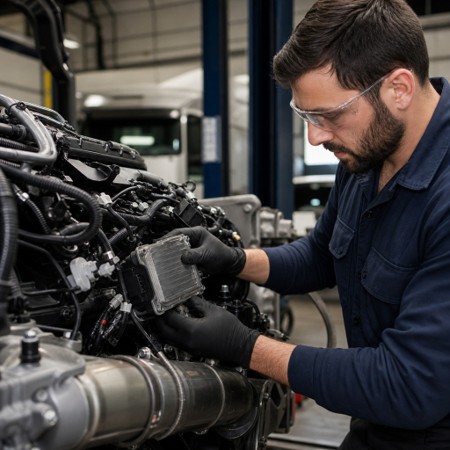
Modern diesel engines are marvels of precision engineering, but behind every high-performing diesel powertrain is a sophisticated electronic brain making thousands of decisions per second. The Engine Control Module — commonly known as the ECM — is the central nervous system of any diesel-powered vehicle or machine. Whether you operate a commercial fleet, manage a repair shop, or simply want to understand what keeps your diesel running at peak efficiency, understanding ECM technology is no longer optional. It is essential.
What Is an ECM and Why Does It Matter in Diesel Applications?
An Engine Control Module is an embedded computer system that monitors and regulates virtually every critical function of a diesel engine. From fuel injection timing and turbocharger boost pressure to exhaust gas recirculation and idle speed management, the ECM processes real-time data from dozens of sensors and adjusts engine parameters accordingly. In diesel applications specifically, the ECM plays an even more demanding role than in gasoline engines because diesel combustion relies entirely on compression ignition — a process that demands extremely precise timing and fuel delivery to operate safely and efficiently.
Without a properly functioning ECM, a diesel engine cannot optimize fuel economy, meet emissions standards, or protect itself from damaging operating conditions. A failing or corrupted ECM can manifest in numerous ways: erratic idle behavior, sudden power loss, excessive black smoke, difficulty starting, or even complete engine shutdown. These symptoms are often misdiagnosed as mechanical failures when the root cause is entirely electronic.
Common Causes of ECM Failure in Diesel Engines
ECM failures in diesel engines are more common than many technicians expect, and they rarely happen without a contributing cause. Voltage spikes from jump-starting a vehicle incorrectly are among the leading culprits, as a sudden surge of electrical current can permanently damage the ECM’s internal circuitry. Water intrusion is another frequent offender — diesel trucks and heavy equipment often operate in harsh environments where moisture can infiltrate the ECM housing and corrode sensitive components. Vibration-related damage is also prevalent in off-road and construction applications, where constant mechanical stress gradually loosens solder joints and connector pins. Finally, age-related capacitor degradation is a slow but inevitable process that affects older ECMs, particularly those in vehicles manufactured before the mid-2000s.
New, Used, or Rebuilt: Choosing the Right ECM Replacement
When an ECM fails, the replacement decision carries significant financial and operational implications. A brand-new OEM ECM from a dealership is the most straightforward option but often the most expensive — sometimes costing several thousand dollars before programming fees are even considered. Used ECMs sourced from salvage yards offer a lower upfront cost but come with uncertainty about their history and remaining service life. Rebuilt ECMs represent a compelling middle ground: these units are professionally reconditioned, with failed components replaced and the module tested to factory specifications before resale.
For fleet managers and independent shop owners who need reliable solutions without excessive downtime or cost, sourcing a quality ecm diesel engine replacement from a reputable supplier is often the most practical path forward. Suppliers that stock new, used, and rebuilt options give buyers the flexibility to match their budget and urgency without sacrificing quality or reliability.
Programming and Compatibility: The Details That Matter
One of the most overlooked aspects of ECM replacement is programming. Unlike many mechanical components, an ECM cannot simply be bolted in and expected to work. It must be programmed to match the specific vehicle identification number, engine calibration, and transmission configuration of the host vehicle. In some cases, the replacement ECM must also be synchronized with the vehicle’s anti-theft system, which adds another layer of complexity. Technicians who are unfamiliar with diesel ECM programming often underestimate the time and specialized equipment required to complete this step correctly. Skipping or rushing the programming process can result in a module that technically powers on but fails to communicate properly with other vehicle systems.
How AI and Digital Tools Are Changing Diesel Diagnostics
The diagnostic landscape for diesel engines is evolving rapidly, driven in part by advances in artificial intelligence and machine learning. Modern scan tools now incorporate predictive algorithms that can identify ECM anomalies before they result in catastrophic failure. AI-powered diagnostic platforms analyze fault code patterns, sensor data trends, and historical repair records to generate repair recommendations with a level of accuracy that was unimaginable a decade ago. For shop owners and fleet managers looking to stay ahead of the curve, understanding how these tools work is increasingly important. Interestingly, the same wave of AI innovation reshaping automotive diagnostics is also transforming how people search for technical information online — a topic explored in depth in this analysis of Yahoo’s new AI-powered search engine and what it means for how professionals find technical resources.
High-Performance Diesel ECMs: Beyond Standard Applications
While most ECM discussions center on commercial and fleet applications, there is a growing segment of diesel enthusiasts who push their engines well beyond factory specifications. Performance tuning through ECM reprogramming — commonly called “chipping” or “flashing” — allows diesel owners to increase horsepower, improve torque curves, and optimize fuel delivery for specific use cases such as towing, racing, or off-road competition. The principles behind high-performance ECM calibration in diesel engines share surprising parallels with what gasoline performance builders do in extreme builds. For example, this detailed breakdown of a twin-turbo 5.2L Coyote built for time attack competition illustrates how precise engine management calibration is just as critical in forced-induction gasoline applications as it is in high-output diesel builds.
About Goldfarb Inc.: A Trusted Source for Diesel ECM Solutions
Goldfarb Inc. has established itself as a dependable resource for diesel engine control modules across a wide range of makes and models. Their inventory spans new, used, and professionally rebuilt ECMs, giving customers genuine flexibility when sourcing replacements for everything from Class 8 semi-trucks to medium-duty work vehicles. What sets Goldfarb apart is not just the breadth of their inventory but the expertise behind it — their team understands the nuances of diesel ECM compatibility, programming requirements, and the specific failure modes that affect different engine families. For repair shops that need fast turnaround and fleet operators who cannot afford extended downtime, having a supplier with deep stock and technical knowledge is a meaningful advantage.
Conclusion: The ECM Is the Engine Behind the Engine
Diesel engines are built to work hard, but they depend on intelligent electronic management to do so safely, efficiently, and within regulatory compliance. The ECM is not a peripheral component — it is the operational core of every modern diesel powertrain. Understanding how it works, what causes it to fail, and how to source a quality replacement puts fleet owners, mechanics, and diesel enthusiasts in a far stronger position to keep their equipment running at its best. As diagnostic technology continues to advance and AI tools become more integrated into the repair process, the professionals who invest in understanding ECM systems today will be the ones best equipped to handle tomorrow’s challenges.
Enjoy Worthview?
Add Worthview as a Preferred Source on Google to see more of our stories in Search.

Worthview Editorial Team is the shared byline for content created collaboratively by Worthview’s editors and contributors. Since 2008, we’ve published thousands of articles across technology, AI, finance, health, home, travel, and lifestyle. Our editorial process emphasizes original research, reputable sources, regular content updates, and clear attribution. Articles covering higher-trust topics, including health and finance, may also undergo review by qualified subject-matter experts.