Home maintenance often comes down to one important decision: Is it better to repair a damaged feature or replace it entirely? While repairs may seem cheaper initially, repeated fixes to an aging fence, inefficient boiler, or deteriorating roof can cost more over time.
Knowing when to replace these essential parts of your home can help you avoid recurring repair bills, improve energy efficiency, and protect your property’s value. The key is to recognize the warning signs, assess the extent of the damage, and compare the long-term cost of repairs with the benefits of replacement.
This guide explains when homeowners should consider replacing fencing, boilers, and roofing systems, along with the signs that suggest a repair may no longer be the most practical solution.
Key Takeaways
- Fencing: Consider full replacement when widespread rot, structural damage, or deteriorating support posts make repairs ineffective.
- Boilers: Frequent breakdowns, declining heating performance, and rising energy bills may indicate that replacement is worth considering.
- Roofing: Curling, cracked, damaged, or missing shingles, granule buildup in gutters, and advanced roof age can signal the need for a replacement.
- Compare long-term costs: Repeated repairs can become more expensive than replacing an aging or failing component.
- Arrange a professional inspection: Before committing to a major replacement, assess the extent of the damage and compare suitable repair and replacement options.
Fencing: Structural Integrity Matters
Fencing is a crucial barrier that provides security and privacy for your home. Damage to fencing can compromise its effectiveness, leading many homeowners to wonder whether simple repairs suffice or if a full replacement is due. According to AFO, if more than 25% of your fencing is damaged, rotted, or worse, a complete replacement is recommended.
When assessing your fence’s condition, look for visible signs of rot or damage, particularly around support posts and panels. If these are extensive, repair efforts might only be a temporary fix rather than a long-term solution. By opting for replacement, you can ensure the stability and aesthetic appeal of your fence for many more years.
Regular maintenance can prolong the life of your fences and delay the need for replacement. Yet, when structural integrity is compromised, repairs may not bring them back to their original form. Therefore, replacing your fence could be the more economical and safer choice in the long term.
Boilers: Indications of Declining Efficiency
Boilers play a vital role in ensuring your home stays warm during colder months. Understanding when to replace your boiler as opposed to continuously repairing it is essential for maintaining a comfortable and energy-efficient household. According to This Old House, boilers often last over 15 years, but frequent breakdowns or reduced efficiency signal that it’s time for a replacement.
As boilers age, they may consume more fuel while providing less heat, which could reflect negatively on your energy bills. Before winter sets in, evaluate your boiler’s performance to ensure it delivers consistent heating throughout your home. Investing in a new boiler may seem like a significant upfront cost, but it encourages savings by decreasing daily operational expenses.
Technological advancements in heating systems mean that modern boilers are more efficient and environmentally friendly. If your current system frequently malfunctions, despite repairs, transitioning to a newer model could enhance your home’s energy efficiency and comfort. This upgrade ensures you enjoy a reliably warm home without the hassle of unexpected heating failures.
Roofing: Aging and Wear Concerns
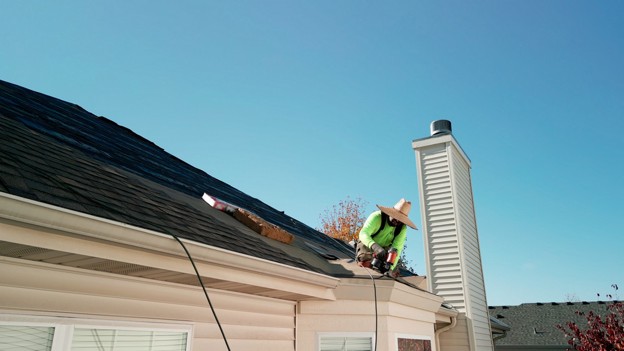
Your roof, designed to shield your home from the elements, is subject to wear that could dictate the need for a full-scale replacement. Prolonged exposure to harsh weather can cause shingles to deteriorate, leading to serious leaks and other structural issues. According to The Spruce, signs such as curling, cupping, cracking, damaged or missing shingles, granule buildup in gutters, or a roof age surpassing 25 years, warrant a new roofing system.
Routine inspections and maintenance can extend your roof’s lifespan, yet only to a certain extent. Damage from storms, UV exposure, and chronic water infiltration weakens roof materials over time. Timely replacement not only prevents further damage but also enhances your home’s insulation and energy efficiency.
Ignoring roof wear could lead to costly repairs, including interior damage from leaks. By choosing to replace your roof proactively, you maintain the home’s structural integrity while potentially increasing its resale value. Prioritizing this maintenance task ensures your home remains a safe haven against unpredictable weather patterns.
Knowing when to replace critical components like fencing, boilers, and roofs is vital for maintaining a safe, efficient, and appealing home. Each of these elements plays a role in the overall function and safety of your living environment. By recognizing the signs of aging and wear, homeowners can make informed decisions that vindicate their investment in a comfortable and secure home.
Efficient home maintenance involves meticulous evaluation and the willingness to replace rather than perpetually repair outdated or failing systems. Doing so not only saves money on temporary fixes but also enhances the comfort of your home. Investing in replacements at the right time relies on vigilance and a proactive approach to household care.
Embracing a replacement mindset when necessary safeguards not just the value of your property but also your peace of mind. By adhering to expert guidelines and understanding the implications of major wear and tear, you ensure that your home remains both beautiful and functional for years to come.
Enjoy Worthview?
Add Worthview as a Preferred Source on Google to see more of our stories in Search.

Worthview Editorial Team is the shared byline for content created collaboratively by Worthview’s editors and contributors. Since 2008, we’ve published thousands of articles across technology, AI, finance, health, home, travel, and lifestyle. Our editorial process emphasizes original research, reputable sources, regular content updates, and clear attribution. Articles covering higher-trust topics, including health and finance, may also undergo review by qualified subject-matter experts.