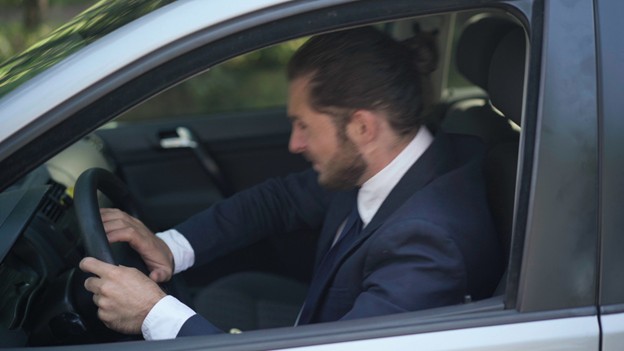
Road rage accidents are becoming more common across the United States. Aggressive driving, speeding, tailgating, yelling, and dangerous lane changes can quickly turn into serious collisions.
If you are involved in a car accident caused by road rage, knowing what to do next can protect your safety, legal rights, and financial future.
In this guide, you will learn the exact steps to take after a road rage accident, how to gather evidence, when to contact a lawyer, and how to handle insurance claims effectively.
After a road rage car accident, move to a safe location, call 911, avoid confrontation, gather evidence, document injuries and vehicle damage, speak to witnesses, and contact your insurance company and attorney as soon as possible.
Key Takeaways
- Prioritize safety immediately after the accident
- Call emergency services and report aggressive behavior
- Avoid arguing or confronting the other driver
- Collect photos, videos, witness details, and police information
- Seek medical attention even for minor injuries
- Understand your legal rights before accepting settlements
- Work with an experienced car accident lawyer if needed
What Is a Road Rage Accident?
A road rage accident happens when an aggressive or angry driver causes a collision through reckless behavior. Unlike normal driving mistakes, road rage incidents usually involve intentional aggression.
Common examples include:
- Tailgating aggressively
- Brake-checking another vehicle
- Yelling or threatening other drivers
- Blocking vehicles intentionally
- Unsafe overtaking or lane cutting
- Chasing another driver
- Intentional collisions
Road rage can lead to severe injuries, property damage, emotional trauma, and legal complications.
Step 1: Ensure Immediate Safety
As soon as the accident occurs, prioritize the safety of yourself and others involved. Move your vehicle to a safe location if possible, out of the way of traffic to avoid further collisions. According to the Insurance Information Institute, it’s crucial to call 911 immediately after the incident to report injuries and hazards.
Remaining calm in the face of road rage can be particularly challenging, but it is necessary. Both drivers and passengers should concentrate on staying composed to better assess the situation. Panic can exacerbate the situation, potentially leading to additional conflict or even further accidents.
It’s important to be aware of your surroundings, especially if the instigator of the road rage incident becomes aggressive. In such cases, stay in your vehicle until law enforcement arrives. Witnesses and the gathered evidence will be critical for the future litigation of the accident claim.
Step 2: Gather Evidence
Documenting the details of the accident scene is vital for insurance and legal processes. Use your smartphone to capture photos of damages, license plates, and the accident setting. The more evidence collected, the stronger your case will be if it progresses to court, a path that about 5% of claims take, as most are settled pretrial.
Collecting contact details from witnesses will also support your account of the events. Neutral third-party testimonies often serve as pivotal proof if disagreements arise between parties involved in the accident. Keep in mind to also note down the responding police officer’s name and badge number for future reference.
There’s a significant role played by dashcam footage in the context of car accidents. Footage that captures the erratic driving behavior or aggression prior to the accident can serve as concrete evidence during your claim process. Ensure that any digital evidence is stored securely for future legal use.
Step 3: Know Your Legal Rights
Understanding your legal rights post-accident is essential, particularly in cases involving potential road rage crimes. Consult with legal professionals who specialize in personal injury cases to get detailed advice on your situation. According to HG.org, car accidents stand among one of the most common personal injury claims made in Texas, emphasizing the need for proper legal guidance.
Engaging with a competent attorney can provide clarity on what compensation you might be entitled to for damages or injuries suffered. Your attorney can also help navigate complex legal frameworks that govern road incidents, safeguarding your interests. Remember, comprehensive legal knowledge is your best line of defense against unsupported claims.
It’s also quite common for insurance companies to offer settlements. While immediate offers may be tempting, they may not fully account for all incurred losses. Thus, having legal advice during such negotiations will ensure that you receive fair compensation according to your entitlements.
Step 4: Settling Claims Effectively
Proceed to file a claim with your insurance company, as this will initiate the process for compensation for repairs or medical costs. According to legal experts, 95% of car accident claims are typically settled prior to trial, making it crucial to have all necessary documentation ready. Understanding the terms of your insurance policy is essential to maximize the benefits.
Negotiation skills become essential during the settlement process with your insurer. Your legal representatives can assist in communicating effectively with insurance adjusters, enabling a fair evaluation of your claim. Their expertise in highlighting pertinent evidence helps in negotiating better terms for settlement.
At times, reaching a mutually agreeable settlement with the insurance company may not be feasible. If negotiations hit an impasse, pursuing a lawsuit might be the next logical step. It’s crucial to have a solid legal strategy in place, especially since proving road rage involves various complex elements.
Handling a car accident stemming from road rage requires a step-by-step approach to ensure safety and legal protection. From contacting authorities promptly to understanding your legal rights, each action holds importance. By being informed and acting diligently, victims can adequately protect their rights and interests following such unfortunate incidents.
Common Mistakes to Avoid After a Road Rage Accident
Many drivers accidentally weaken their claims after an accident.
Avoid these common mistakes:
1. Arguing With the Other Driver
Aggressive confrontation can escalate danger and create legal complications.
2. Leaving the Scene Too Quickly
Always wait for police unless emergency medical treatment is required.
3. Forgetting to Document Evidence
Photos and videos can disappear quickly after the accident scene is cleared.
4. Posting on Social Media
Insurance companies may monitor social media activity during investigations.
5. Accepting the First Settlement Offer
Initial offers are often lower than the actual value of damages.
Frequently Asked Questions
Is road rage considered a crime?
Yes. In many cases, aggressive driving, threats, assault, or intentional collisions can lead to criminal charges.
Should I call the police for minor road rage accidents?
Yes. Even minor incidents should be documented officially, especially if aggressive behavior was involved.
Can dashcam footage help prove road rage?
Absolutely. Dashcam footage is often strong evidence in both insurance claims and legal cases.
What if the other driver leaves the scene?
Try to safely record the vehicle’s license plate, color, make, and model, then immediately contact police.
Do I need a lawyer after a road rage accident?
If injuries, major damage, or legal disputes are involved, hiring a lawyer is highly recommended.
Conclusion
A car accident caused by road rage can be stressful, dangerous, and legally complicated. Knowing how to respond calmly and strategically can protect your health, finances, and legal rights.
Focus on safety first, gather strong evidence, seek medical care, and avoid making rushed decisions with insurance companies.
Most importantly, do not handle serious road rage accident claims alone if injuries or disputes are involved. Professional legal guidance can make a major difference in the outcome of your case.
Medical and Legal Disclaimer
This article is for informational purposes only and should not be considered legal or medical advice. Always consult qualified medical professionals and licensed attorneys regarding your specific situation.
Enjoy Worthview?
Add Worthview as a Preferred Source on Google to see more of our stories in Search.

Worthview Editorial Team is the shared byline for content created collaboratively by Worthview’s editors and contributors. Since 2008, we’ve published thousands of articles across technology, AI, finance, health, home, travel, and lifestyle. Our editorial process emphasizes original research, reputable sources, regular content updates, and clear attribution. Articles covering higher-trust topics, including health and finance, may also undergo review by qualified subject-matter experts.






2 thoughts on “How to Handle a Car Accident Caused by Road Rage”
Comments are closed.