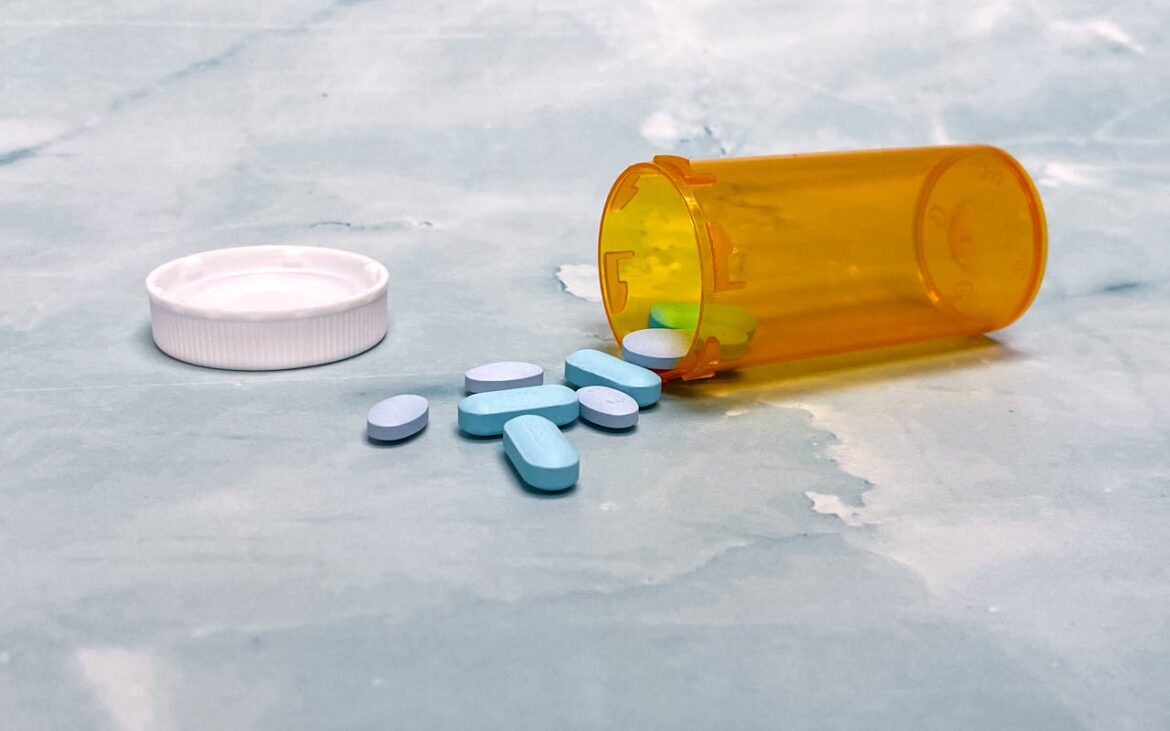
Abuse of prescription stimulants is a growing public health epidemic in the United States.
It’s been underreported because most people are talking about opioid and fentanyl abuse. Meanwhile everyone was turning a blind eye. Stimulant abuse has been steadily increasing year over year.
Here’s the kicker:
Many people don’t even consider it to be an issue at all. Pills like Adderall and Ritalin are seen as just innocent “study drugs.”
That couldn’t be further from the truth.
This article will discuss why misuse of prescription stimulants is becoming more prevalent. It will go over who is most at risk and why aftercare planning for addiction is essential for sustained recovery.
Let’s jump in!
The Scale Of The Problem
Prescription stimulant misuse is no longer a small issue tucked away on college campuses.
Prescription stimulant abuse is considered to be a nationwide public health issue. Millions of Americans struggle with this addiction annually. Recent studies show that 5 million adults abuse prescription stimulants each year in the United States.
That’s not a small number.
And it gets worse…
According to the Centers for Disease Control and Prevention, 14.5% of college students abuse prescription stimulants. That translates to about 1 in 7 college students taking these drugs without a prescription or in a manner not directed.
The numbers tell a clear story:
- Stimulant misuse has been climbing steadily since 2014
- Overdose deaths involving stimulants are also on the rise
- Young adults aged 18-25 have the highest rates of misuse
It’s not going away anytime soon either. Thankfully, proper treatment and aftercare planning when treating addiction can go a long way – even with stimulants such as Adderall. The abuse of Adderall often goes untreated for years before someone decides to get help.
Why Prescription Stimulants Are Being Misused
So why are so many people misusing these drugs?
There are many reasons and they’re a lot more complicated than most people believe. A lot of users don’t view themselves as “drug users” which makes it difficult to recognize the problem.
Here are the most common reasons people misuse prescription stimulants:
To improve academic/work performance: This reason by far outranks all others. Students and younger professionals consume stimulants with the thought that they will allow them to study for longer periods of time or focus more at work.
Want to stay awake/not fight fatigue: People work late nights, procrastinate until deadlines loom and study for exams leading them to seek a quick energy boost.
Want to lose weight: Stimulants decrease appetite. This explains their allure for those concerned with body image.
Illicit use: Stimulants are sometimes abused for recreational purposes, particularly to achieve a state of intoxication, often in conjunction with alcohol.
To self-medicate: People with undiagnosed ADHD, depression, or anxiety sometimes use stimulants to cope.
But here’s the twist…
Studies have shown that stimulant abusing students actually perform poorly in school — not well. The “study aid” excuse is an excuse.
Who Is Most At Risk?
Not all people are equally at risk for misusing prescription stimulants. Some groups are particularly at risk.
College Students And Young Adults
This is the group hit hardest by stimulant misuse.
Age groups 18-25 years olds report the highest rates of nonmedical use across the board. Nonmedical use is even more prevalent on college campuses due to peer pressure and stress from competition academically encouraging students to use “study drugs.”
Professionals In High-Stress Industries
Attorneys, financiers, techies, and medical residents all abuse at above average rates. When you have to perform at all hours of the day and night, stimulants can be very attractive.
People With Easy Access
This one is huge.
The majority of individuals who abuse stimulants obtain them not from a dealer, but from friends, family members, or roommates who have prescriptions.
People With Undiagnosed Mental Health Issues
Self-medicating with stimulants without a prescription can easily lead to addiction for those who suffer from anxiety, depression, or ADHD-like symptoms.
The Health Risks You Can’t Ignore
This is the part most casual users completely overlook.
Prescription stimulants are potent medications. Improper use can lead to severe short and long-term health consequences.
Short-term risks include:
- Increased heart rate and blood pressure
- Anxiety and panic attacks
- Insomnia and paranoia
- Seizures
Long-term risks include:
- Cardiovascular damage
- Addiction and dependence
- Mental health disorders
- Risk of overdose
And here’s something most people don’t realise…
Fake pills are everywhere. Pills designed to look identical to real Adderall can be laced with fentanyl or methamphetamine — making what was once a “lower risk” form of misuse, a deadly game of Russian roulette.
The Role Of Aftercare Planning For Addiction
So what happens when someone realises they have a problem?
Simply getting clean is one thing. Remaining clean over time – that’s where aftercare planning for addiction is vital.
Addiction aftercare planning is a continuation of a care plan that you follow once your initial recovery plan has come to an end.
Without proper aftercare, the risk of relapse skyrockets.
Here’s why aftercare planning for addiction matters:
It offers continual support: Recovery takes time and people need regular assistance.
It gets to the root of the problem: Most stimulant abusers struggle with anxiety, depression, or ADHD. Aftercare treats these underlying issues.
It builds healthy routines: Aftercare helps people develop habits that protect their recovery.
It helps detect relapse warning signs early: When you have a solid aftercare plan, you’re holding yourself or your loved one accountable and more likely to notice warning signs.
A solid aftercare plan usually includes:
- Regular therapy or counselling sessions
- Participation in support groups
- Medication management when needed
- Family or relationship counselling
- Lifestyle changes like exercise and improved sleep
The goal is to give the person every possible advantage in their recovery journey.
Final Thoughts
Prescription stimulant misuse is rising fast, and it’s affecting more Americans than ever before.
The idea that stimulants aren’t dangerous because they’re from a pharmacy has done immense damage. Abuse can cause addiction, life-threatening consequences, and death—particularly now with fake pills containing fentanyl.
To recap:
- About 5 million U.S. adults misuse prescription stimulants each year
- College students and young adults are the highest-risk group
- The “study aid” myth doesn’t hold up
- Counterfeit pills make today’s stimulant market more dangerous than ever
- Aftercare planning for addiction is one of the most important parts of recovery
When you or a loved one is suffering, the first step is reaching out for help. Recovery is possible — with help, structure, and a comprehensive aftercare plan.
The earlier you act, the better the outcome.
Frequently Asked Questions
What is the current scale of prescription stimulant misuse in the U.S.?
Prescription stimulant misuse is a nationwide public health issue, with approximately 5 million U.S. adults struggling with this addiction annually. Stimulant misuse has been climbing steadily since 2014, and overdose deaths involving these drugs are also on the rise.
Why do individuals commonly misuse prescription stimulants?
The most common reason is to improve academic or work performance, as students and younger professionals believe the drugs allow them to focus more or study for longer periods. People also misuse them to combat fatigue, lose weight, for recreational purposes, or to self-medicate for undiagnosed mental health issues like ADHD or anxiety.
Which demographic groups are most at risk for prescription stimulant misuse?
College students and young adults aged 18–25 years old report the highest rates of nonmedical use, often due to academic competition and peer pressure. Other at-risk groups include professionals in high-stress industries (like attorneys and financiers), people with easy access to prescribed pills, and individuals with undiagnosed mental health issues.
What are the most significant health risks of prescription stimulant abuse?
Short-term risks can include increased heart rate and blood pressure, anxiety, panic attacks, insomnia, and seizures. Long-term consequences involve cardiovascular damage, addiction and dependence, and the critical risk of a deadly overdose, which is heightened by counterfeit pills laced with substances like fentanyl.
Why is aftercare planning crucial for sustained stimulant addiction recovery?
Simply getting clean is not enough for sustained sobriety, and without proper aftercare planning, the risk of relapse skyrockets. Aftercare offers continual support, helps to treat underlying mental health issues that drove the abuse, and assists in building healthy routines necessary to protect recovery.
Enjoy Worthview?
Add Worthview as a Preferred Source on Google to see more of our stories in Search.

Worthview Editorial Team is the shared byline for content created collaboratively by Worthview’s editors and contributors. Since 2008, we’ve published thousands of articles across technology, AI, finance, health, home, travel, and lifestyle. Our editorial process emphasizes original research, reputable sources, regular content updates, and clear attribution. Articles covering higher-trust topics, including health and finance, may also undergo review by qualified subject-matter experts.