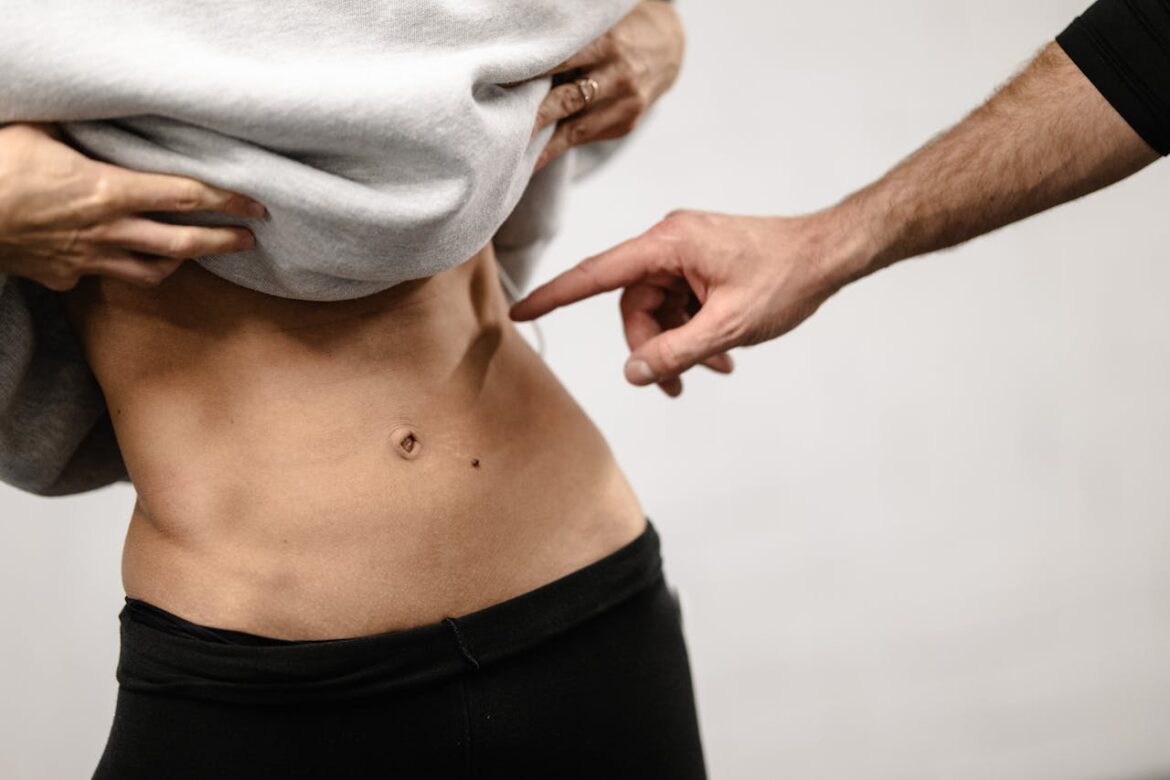
Body contouring is one of the most popular ways to reshape your body today.
It continues to grow year after year. Choose the right body contouring procedure and you can:
- Get rid of stubborn fat
- Tighten loose skin
- Reshape problem areas
And feel confident in your own skin again.
Here’s how it works…
What Is Body Contouring?
Body contouring refers to a set of cosmetic surgery procedures aimed at altering the shape of various parts of the body.
Either surgically or non-surgically and each one is designed to address certain issues — excess fat, loose skin or that area that is not responding to diet and exercise.
Body contouring helps you reshape your body the right way and allows you to:
- Eliminate resistant fat: Certain regions of the body are resistant to exercise. Body contouring addresses these problem areas directly.
- Tighten loose skin: Skin that has stretched after significant weight loss or pregnancy may not snap back. Procedures like tummy tucks can address this issue.
- Refine your body contours: From stomach to thighs, arms to chest, body contouring can help you achieve the shape you desire.
Pretty cool, right?
Interest in these procedures has steadily grown over the past few years. In fact, just one surgical procedure is now more popular than breast augmentation. In 2024, there were just under 1.6 million cosmetic surgical procedures completed. Body contouring comprised a large percentage of that total.
Below, you’ll find a breakdown of the different options!
Surgical Body Contouring Options
Surgical body contouring is your strongest option. The results are dramatic and long-lasting, and the recovery is well worth it for most people. If you’re seriously interested in transforming your body, expert cosmetic surgery teams can walk you through your options. Let’s take a closer look at the most popular surgical procedures…
Liposuction
Liposuction is the king of body contouring. It has been the most popular cosmetic surgery procedure for several years and it shows no sign of slowing down.
This treatment does this by vacuuming fat out of certain areas of the body through a narrow tube known as a cannula. It is ideal for individuals who are near their ideal weight but have tenacious pockets of fat.
Common areas treated with liposuction include:
- Stomach
- Thighs
- Hips
- Arms
- Chin
Recovery is generally 2-4 weeks and you will need to wear compression garments to reduce swelling.
Liposuction was the #1 most performed surgical cosmetic procedure in 2024.
Tummy Tuck (Abdominoplasty)
A tummy tuck is one of the best ways to flatten your stomach. It removes excess skin and fat in the lower abdomen and tightens the muscles underneath.
It’s especially popular with:
- Women after pregnancy
- People who have lost weight
- Anyone with loose skin around the midsection
The recovery is longer than liposuction (about 6-8 weeks), but the results are dramatic.
Breast Augmentation
Breast augmentation is yet another super popular body contouring procedure. In this treatment, implants are used to improve the size and shape of the breasts.
Why is breast augmentation so popular? Because you have control of the final result. You get to choose:
- The size of your implants
- The type of implants (saline or silicone)
- The placement (above or below the muscle)
It’s worth making clear — breast augmentation is not just about increasing size. Women often choose the surgery to correct asymmetry, restore volume after pregnancy or reconstruct the chest after a mastectomy.
Body Lifts
A body lift is a more advanced procedure for those who have lost an extreme amount of weight. It takes away excess skin from several areas at one time – the stomach, thighs, buttocks, etc.
GLP-1 weight loss drugs have made this procedure more and more common. American Society of Plastic Surgeons stated that in 2024 over 800,000 aesthetic patients have used GLP-1 weight loss drugs and many of them have required body contouring afterwards.
Non-Surgical Body Contouring Options
Don’t want surgery? You have options.
Non-surgical body contouring is becoming increasingly more popular. While the results are not as dramatic, recovery time is much shorter and cost is typically less.
Here are the most popular non-surgical options…
CoolSculpting (Cryolipolysis)
CoolSculpting works by freezing fat cells, which die and are naturally eliminated by the body. It is 100% non-invasive with no downtime.
The downsides? You’ll need multiple sessions and the results take 2-3 months to show.
Radiofrequency Treatments
Radiofrequency treatments use heat to tighten skin and reduce fat. Ideal for those who want a subtle change without surgical procedures.
These treatments work best for:
- Mild skin laxity
- Small fat deposits
- Cellulite reduction
Injectable Fat Reduction
Injectable procedures such as Kybella destroy fat cells with a chemical injection. They are primarily used on the chin area.
How To Choose The Right Procedure For You
Choosing the right body contouring procedure can be confusing. With all of these procedures to choose from, how do you know what’s right for you?
Here’s a simple framework…
Consider Your Goals
Start by getting clear on what you want. Do you want to:
- Remove stubborn fat?
- Tighten loose skin?
- Reshape a specific area?
The answer to these questions will narrow down your options quickly.
Think About Recovery Time
Optimal outcomes can be achieved through surgery, but recovery is not easy. Non-surgical may be more appropriate for people who cannot take an extended recovery period. Your expectations of the results must be realistic.
Consult A Board-Certified Surgeon
This is the most important step. A good surgeon will examine your body, hear your goals and suggest the appropriate procedure — even if that means saying no to a more lucrative surgery.
Body contouring is the new frontier in the booming plastic surgery industry. Patients between 40-54 are the largest group getting cosmetic procedures in 2024. You’re not alone if you’re thinking about it.
Final Thoughts
Body contouring is one of the most effective ways to reshape your body and finally get the look you’ve been working towards. There are tons of options out there — both surgical and non-surgical — so there’s something for everyone.
To quickly recap:
- Liposuction is the most popular procedure for stubborn fat
- Tummy tucks fix loose skin and weak abdominal muscles
- Breast augmentation gives you control over your chest shape
- Body lifts are perfect for major weight loss patients
- Non-surgical options work well for smaller adjustments
Don’t rush. Take time to research each option. The right body contouring procedure can transform the way you feel about yourself — but only if you do it for the right reasons and with the right surgeon.
FAQ
Q: What is body contouring?
A: Body contouring refers to cosmetic surgery procedures that aim to alter the shape of various body parts. These procedures, which can be surgical or non-surgical, are designed to address issues like excess fat, loose skin, or areas resistant to diet and exercise.
Q: What are the benefits of body contouring procedures?
A: Choosing the right procedure can help you get rid of stubborn fat, tighten loose skin, and reshape problem areas. Ultimately, these procedures aim to help you feel confident in your own skin again.
Q: Which surgical body contouring option is the most popular?
A: Liposuction is the most popular cosmetic surgery procedure for several years. It works by vacuuming fat out of certain areas of the body through a narrow tube.
Q: What is the main purpose of a tummy tuck?
A: A tummy tuck removes excess skin and fat in the lower abdomen and tightens the muscles underneath. It is popular with women after pregnancy, people who have lost weight, or anyone with loose skin around the midsection.
Q: What are the key differences between surgical and non-surgical body contouring?
A: Surgical contouring provides dramatic and long-lasting results but requires a longer recovery time. Non-surgical options have shorter recovery times and cost less, but the results are not as dramatic.
Q: How does CoolSculpting work?
A: CoolSculpting works by freezing fat cells, which die and are then naturally eliminated by the body. It is 100% non-invasive with no downtime, although multiple sessions may be needed.
Enjoy Worthview?
Add Worthview as a Preferred Source on Google to see more of our stories in Search.

Worthview Editorial Team is the shared byline for content created collaboratively by Worthview’s editors and contributors. Since 2008, we’ve published thousands of articles across technology, AI, finance, health, home, travel, and lifestyle. Our editorial process emphasizes original research, reputable sources, regular content updates, and clear attribution. Articles covering higher-trust topics, including health and finance, may also undergo review by qualified subject-matter experts.