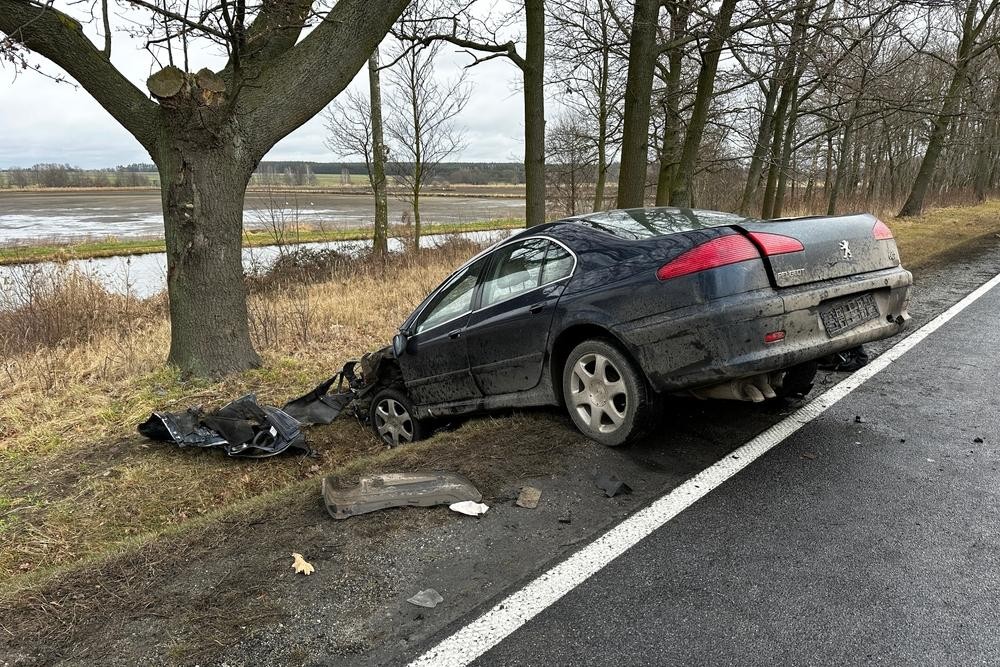
Some car accidents happen in busy areas filled with traffic, cameras, and people. Others happen on a quiet street, in a parking lot, or during hours when hardly anyone is around. One moment, everything seems normal, and the next, you are left dealing with vehicle damage and unanswered questions.
A situation like this can leave drivers searching for answers, especially when there are no witnesses to confirm what happened. Questions often come up about evidence, reports, and the next steps to take, which is why some people eventually seek guidance from a car accident lawyer while sorting through the details.
The absence of witnesses can make the situation feel more difficult because there is no one nearby who can confirm what happened. Still, a lack of witnesses does not mean you have no options. Facts can come from many places, and the actions you take afterward can make a real difference. If you find yourself in this position, there are several practical steps worth taking.
TL;DR
- Even if no one witnessed your car accident, you can still build a strong case using other forms of evidence.
- Take photos of vehicle damage, road conditions, skid marks, and other details at the scene.
- Report the accident to law enforcement to create an official record of the incident.
- Look for nearby security, traffic, or doorbell cameras that may have captured the crash.
- Keep detailed notes about the accident while the events are still fresh in your memory.
- Promptly notify your insurance company and provide any evidence you have collected.
1. Document Everything at the Scene
One of the most important things you can do is gather as much information as possible before leaving the accident scene. Even without witnesses, physical evidence can help show what happened.
Take clear photos of vehicle damage, road conditions, traffic signs, skid marks, debris, and anything else connected to the crash. Try to capture images from different angles so the full picture is visible. Small details that seem unimportant at the time may later help explain how the accident occurred.
Accurate documentation creates a record that can be reviewed later if questions arise.
2. Contact Law Enforcement
Reporting the accident to law enforcement helps create an official record of the incident. An officer may document the location, vehicle positions, visible damage, and statements from those involved.
A police report does not replace other evidence, but it can become an important part of the overall record. The sooner an accident is reported, the easier it may be to preserve details that could otherwise be forgotten or overlooked.
Providing clear and factual information helps ensure the report reflects the situation as accurately as possible.
3. Look for Nearby Cameras
Witnesses are not the only sources of information after an accident. Security cameras, traffic cameras, business surveillance systems, and residential doorbell cameras may have captured part of the event.
Check the surrounding area and note any businesses, homes, or buildings that might have cameras facing the road. Video footage is often stored for a limited time, so acting quickly can be helpful.
Many people are surprised to learn that camera footage becomes one of the strongest pieces of evidence available when no eyewitnesses are present.
4. Keep Records of Every Detail
Memories can fade faster than most people expect. Writing down details soon after the accident helps preserve information while it is still fresh.
Include the time, location, weather conditions, direction of travel, traffic patterns, and anything unusual you noticed before or after the crash. If the other driver made statements at the scene, make a note of those as well.
Good records help maintain consistency and reduce the chance of important facts being forgotten later.
5. Notify Your Insurance Company Promptly
Insurance companies generally expect accidents to be reported within a reasonable period. Delaying the report can sometimes create unnecessary complications.
Provide accurate information about what happened and share any photos, videos, reports, or notes you have collected. Staying organized can make communication easier and help ensure important information is available when needed.
Even if there were no witnesses, evidence gathered from the scene may still provide valuable insight into the circumstances of the accident.
Other Evidence Can Still Tell the Story
The absence of witnesses does not automatically mean the facts disappear. Modern vehicles, mobile phones, cameras, repair records, and personal injury reports can all contribute to understanding what happened.
Some common sources of evidence include:
- Photos taken at the scene
- Police reports
- Security camera footage
- Dashcam recordings
- Vehicle damage assessments
- Road condition records
Each piece may seem small on its own, but together they can help create a clearer picture of the event. This is why preserving information as early as possible is often one of the smartest decisions after an accident.
Building a Strong Record Matters
Accidents without witnesses often create uncertainty because there is no independent person available to describe what happened. That uncertainty makes documentation, accuracy, and organization even more important.
Gathering evidence, reporting the incident, searching for available footage, and maintaining detailed records can help ensure that important facts are not lost. Every step adds another layer of information that may prove useful later.
Confusion
A car accident that no one saw can feel frustrating, especially when answers are not immediately available. Fortunately, witnesses are only one part of the picture. Careful documentation, official reports, camera footage, and detailed records can all help support a clearer understanding of the situation. If questions remain or additional guidance is needed, a car accident lawyer may be able to review the available information and explain the options that may exist based on the specific circumstances involved.
Frequently Asked Questions (FAQs)
1. What should I do immediately after an accident with no witnesses?
Ensure everyone’s safety, call emergency services if needed, document the scene with photos, and report the accident to law enforcement as soon as possible.
2. Can I file an insurance claim if no one saw the accident?
Yes. Insurance claims can be supported by evidence such as photographs, police reports, surveillance footage, vehicle damage assessments, and other documentation.
3. How important are photos after a car accident?
Photos can provide valuable evidence by showing vehicle damage, road conditions, traffic signs, skid marks, and other details that may help explain how the accident occurred.
4. Should I contact the police even for a minor accident?
In many situations, reporting the accident is beneficial because it creates an official record that may be useful for insurance claims and future reference.
5. Can security cameras help prove what happened?
Yes. Traffic cameras, business surveillance systems, residential security cameras, and dashcams may capture important footage that can help establish the facts of the accident.
6. What types of evidence can support my case if there are no witnesses?
Common sources include photographs, police reports, surveillance footage, dashcam recordings, vehicle damage assessments, medical records, and road condition reports.
Disclaimer: This article is for informational purposes only and should not be considered legal advice. Every car accident case is unique, and applicable laws may vary by location. Readers should consult a qualified attorney regarding their specific circumstances.
Enjoy Worthview?
Add Worthview as a Preferred Source on Google to see more of our stories in Search.
Worthview Editorial Team is the shared byline for content created collaboratively by Worthview’s editors and contributors. Since 2008, we’ve published thousands of articles across technology, AI, finance, health, home, travel, and lifestyle. Our editorial process emphasizes original research, reputable sources, regular content updates, and clear attribution. Articles covering higher-trust topics, including health and finance, may also undergo review by qualified subject-matter experts.