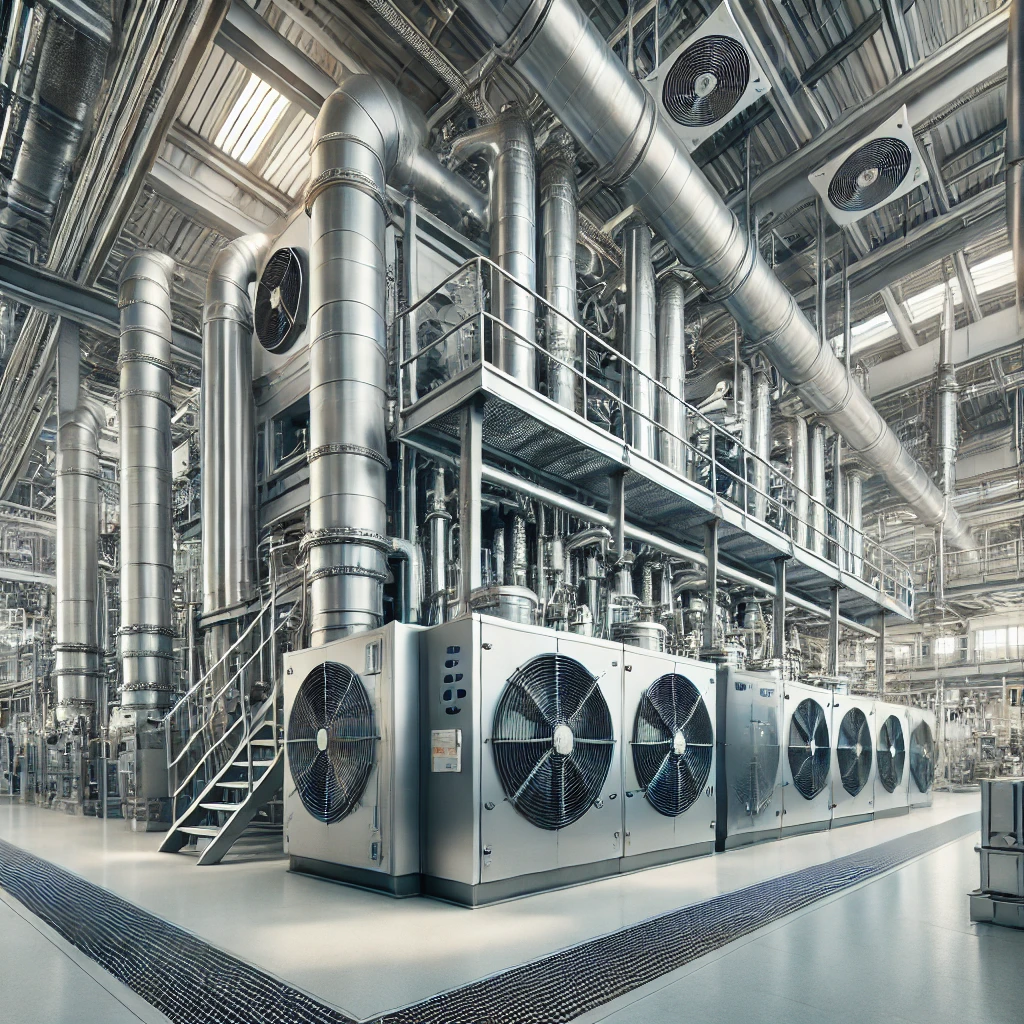
To keep a manufacturing facility cool, focus on improving ventilation, using industrial fans, installing insulation, optimizing machinery heat output, and implementing evaporative or HVAC cooling systems. These steps reduce heat buildup, improve worker comfort, and increase productivity.
If you run a manufacturing facility, you have to deal with numerous different environmental factors and conditions to ensure things are running smoothly. But one that often goes overlooked is the heat inside the facility.
When indoor temperatures rise, so do the risks of equipment overheating, decreased productivity, and potential health issues for employees. If you’re looking to maintain a comfortable temperature throughout your facility, there are several effective strategies you can implement.
Key takeaways:
- Heat in factories reduces productivity and increases safety risks
- Use proper ventilation and airflow systems
- Install industrial fans or evaporative coolers
- Insulate roofs and walls to block heat
- Maintain machinery to reduce excess heat
- Smart cooling = lower energy costs + better worker comfort
Here are several tactics and strategies to help you keep your manufacturing facility as cool as possible:
1. Optimize Airflow Throughout the Facility
Efficient airflow is one of the simplest ways to keep your facility cool. Start by examining your ventilation system to ensure it’s well-designed for your layout.
In facilities that process grain or bulk materials, machinery can be a significant source of heat that disrupts ambient airflow. Investing in purpose-built drying and handling equipment with efficient fan systems and controlled airflow columns helps redirect heat away from the working environment, reducing buildup and contributing to a cooler, more comfortable facility overall.
When airflow is optimized, fresh air circulates more easily, pushing out warm, stagnant air that can build up in work areas. Make sure air ducts and vents are clean and unobstructed, as blockages can hinder performance.
For better results, consider strategically placing industrial fans around the facility. High-powered fans can help break up hot zones and improve airflow around equipment that generates heat. You may even look into installing HVLS (High Volume, Low Speed) fans, which can circulate large amounts of air more efficiently across open spaces. With the right setup, you’ll create a continuous flow of fresh air that keeps temperatures lower and your team more comfortable.
2. Use Water Chillersdic
In manufacturing, some processes and machinery generate a lot of heat. Close-tolerance temperature control units, often called water chillers, are designed to keep temperatures steady in specific areas, even during high production periods. These systems are especially beneficial for cooling sensitive machinery and equipment that could overheat during long operating hours.
Chillers work by circulating cool water or air around the machinery, dissipating the heat that builds up. For larger facilities, consider investing in a centralized chiller system that can serve multiple production areas. With this approach, you’ll prevent equipment malfunctions due to excessive heat and ensure a steady temperature in critical parts of your facility. Keeping equipment cool with precise temperature control will protect your machinery’s longevity and prevent unexpected downtime from overheating issues.
3. Invest in Proper Insulation
While insulation might not seem like a cooling solution at first glance, it plays an essential role in maintaining a stable temperature within your facility. Proper insulation helps block external heat from entering, particularly if your building is exposed to direct sunlight. Roof insulation is especially important, as sunlight can heat the top of your building quickly, turning it into a heat sink. Wall insulation also helps reduce heat transfer, creating a cooler and more consistent environment.
You can even consider investing in reflective or insulated roofing materials that repel heat rather than absorb it. This approach is commonly known as a “cool roof” and can significantly impact indoor temperatures, particularly during warmer months. With the right insulation, you’ll create a barrier against external heat sources, making it easier to keep the facility cool and saving on energy costs.
4. Schedule Routine Maintenance for HVAC Systems
Your HVAC system is a cornerstone of climate control in your manufacturing facility, and regular maintenance ensures it performs effectively. Over time, HVAC components can become worn down, reducing their efficiency and making it harder to keep temperatures cool. Routine maintenance – such as replacing filters, cleaning coils, and checking refrigerant levels – helps your system run smoothly and at peak efficiency.
Consider setting up a regular inspection schedule, ideally monthly or quarterly, depending on your facility’s demands. Some facilities even partner with HVAC professionals for ongoing support. If your HVAC system is older or it can’t keep up with cooling demands, upgrading to a more energy-efficient system may be worthwhile. A modern HVAC unit will not only keep your facility cooler but can also reduce energy costs in the long term.
5. Implement a Nighttime Cooling Strategy
A nighttime cooling strategy is an effective way to take advantage of cooler outdoor temperatures, particularly in facilities with large spaces that retain heat. This approach involves using fans, open windows, or ventilation systems to bring in cool night air, which can then be retained in the facility during the day.
If you have an automated ventilation system, set it to draw in fresh air after hours. In the early morning, close off windows and shut down the ventilation to prevent warm outdoor air from entering as temperatures rise. By cooling your facility overnight, you’ll give it a head start in maintaining a manageable temperature throughout the day, especially when heat-generating machines are in use. Nighttime cooling is also an energy-efficient strategy that leverages natural temperature changes, making it a cost-effective way to reduce heat buildup in the facility.
Putting it All Together
There’s no singular solution for keeping your facility cool. However, with a combination of the five strategies mentioned above, you can set yourself up for success. If nothing else, you’ll keep the temperatures down and bearable, which makes things much more manageable for your equipment and your employees.
FAQs
How hot is too hot for a factory?
Temperatures above 30–35°C can start affecting worker productivity and safety, especially in physically demanding environments.
What is the cheapest way to cool a factory?
Improving ventilation and installing industrial fans are the most cost-effective solutions.
Do evaporative coolers work in factories?
Yes, they work well in dry climates and large open spaces, making them ideal for many manufacturing units.
How can I reduce heat from machines?
Regular maintenance, proper spacing, and upgrading to energy-efficient machines help reduce heat output.
Is HVAC necessary for all manufacturing facilities?
Not always. HVAC is best for controlled environments, but many factories can rely on ventilation and evaporative cooling.
Enjoy Worthview?
Add Worthview as a Preferred Source on Google to see more of our stories in Search.

Worthview Editorial Team is the shared byline for content created collaboratively by Worthview’s editors and contributors. Since 2008, we’ve published thousands of articles across technology, AI, finance, health, home, travel, and lifestyle. Our editorial process emphasizes original research, reputable sources, regular content updates, and clear attribution. Articles covering higher-trust topics, including health and finance, may also undergo review by qualified subject-matter experts.