Could hidden pest issues be silently undermining your business’s financial success?
While pest infestations appear trivial initially, they evolve swiftly into significant operational challenges for businesses regardless of size. Unwanted pests can lead to severe financial losses across business sectors including restaurants, hotels, warehouses, and retail stores.
The truth is…
The extent of operational damage caused by pest problems remains hidden from business owners until the damage becomes irreversible. Recent market analysis reveals that the pest control industry maintains its rapid growth because of strong underlying reasons.
What You’ll Discover Inside
- How Pests Directly Impact Your Business Finances
- The Hidden Operational Costs of Infestations
- Industry-Specific Pest Challenges
- Preventative Strategies That Actually Work
- When to Call Professional Help
The Financial Impact of Pest Infestations
Pest infestations result in significant financial losses for businesses. Businesses face many different types of costs related to pest infestations which can accumulate rapidly into substantial financial losses.
Property Damage
Physical property damage stands out as one of the quickest visible effects of pest infestations. Different pests cause different types of destruction:
- Rodents create damage by chewing through electrical wiring systems as well as insulation materials along with wooden structures and plumbing pipes
- Termites discreetly consume the wooden structures within your building.
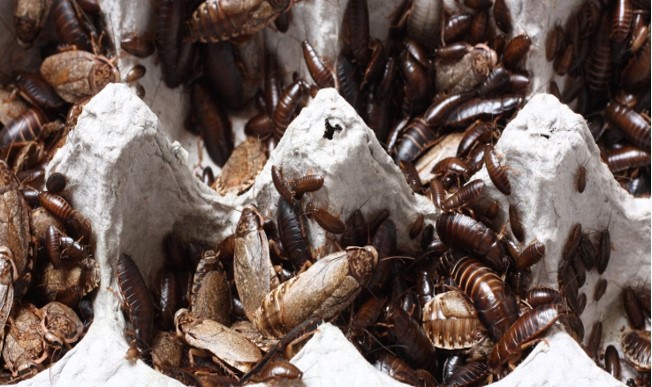
- Cockroaches contaminate inventory and supplies
- Wildlife such as birds destroy roofing materials and ventilation infrastructure through nest building and their waste deposits.
The financial toll? Research shows that termites generate over $5 billion in property damage every year throughout the United States. That astounding number excludes the destruction created by additional prevalent commercial pests.
Inventory Loss
Businesses in food service, hospitality, retail, or warehousing face a significant financial burden due to inventory loss from pest infestations. Once rodents, insects or other pests taint your products you must throw them away.
Business owners must address more than the immediate financial loss from damaged merchandise. You also need to consider:
- Rush replacement orders (often at premium prices)
- Delivery surcharges for emergency shipments
- Lost sales while waiting for replacements
- Additional labor costs for cleanup and restocking
Regulatory Fines and Closures
The primary financial blow often stems from issues related to regulatory compliance. Health departments and regulatory agencies treat pest infestations with high levels of concern when it comes to public-serving industries.
A single failed inspection can result in:
- Substantial monetary fines
- Mandatory temporary closures
- Costly remediation requirements
- Follow-up inspections (sometimes with additional fees)
The temporary shutdown of restaurants and food service establishments has the potential to result in complete business failure. When businesses face closure because of pest-related violations they seldom recover from the resulting financial losses and reputational harm.
The Hidden Operational Costs
The operational difficulties created by pest infestations extend beyond financial losses and interfere with business efficiency and performance.
Employee Productivity Issues
Pests invading a workplace leads to inevitable reductions in employee productivity. Workers may experience:
- Distraction and disruption from pest sightings
- The risk to employee health rises when they work in environments infested with pests.
- Time lost dealing with pest-related issues
- Employees show reduced job satisfaction and decreased morale during pest infestations in the workplace.
Even though estimating these productivity losses accurately proves challenging, they nonetheless directly affect your financial results. Businesses with commercial pest control services all across Ventura County report significant improvements in employee productivity after addressing pest problems professionally.
Customer Experience Degradation
Nothing harms customer experience as swiftly as encountering pests. The sight of a cockroach or rodent by one customer in today’s digital world can quickly turn into negative online reviews and social media posts.
- Negative online reviews that live forever
- Social media posts that can go viral
- Word-of-mouth damage to your reputation
- Loss of repeat business
The consequences of the initial pest incident affect areas well beyond its original scope. The recurring evidence from studies demonstrates that businesses spend far more resources to gain new customers than to maintain current ones which renders pest-related customer attrition especially costly.
Industry-Specific Pest Challenges
The specific pest-related challenges industries encounter depend on their operational methods and environmental settings as well as the regulatory standards they must follow.
Food Service and Restaurants
Food service establishments provide perfect conditions for pest infestations through their operational characteristics.
- Constant food availability
- Moisture sources
- Warmth
- Numerous entry points with frequent deliveries
Pest control professionals report that Terminix recognized Dallas, Houston, Los Angeles, Atlanta, and San Francisco as the five leading cities for pest infestations in commercial spaces across the U.S.
Hospitality and Lodging
Hotels face unique challenges with:
- Bed bugs brought in by guests
- Large facilities with many potential entry points
- Constant turnover introducing new pest risks
- High standards of cleanliness expected by guests
One social media mention of bed bugs has the potential to damage hotel occupancy for several months.
Warehousing and Storage
Warehouses must contend with:
- Large volumes of goods providing hiding places
- Infrequently disturbed areas where pests thrive
- Multiple entry points with constant shipping activity
- Varied inventory attracting different pest species
The pest control industry is expected to grow to $42.5 billion by 2032 with a compound annual growth rate of 5.7%.
Preventative Strategies That Actually Work
The cost benefits of proactive pest management clearly surpass those of reactive treatment methods.
Integrated Pest Management (IPM)
Current pest management systems depend on IPM which provides a complete strategy that:
- Focuses on prevention first
- Uses multiple control methods
- Minimizes chemical treatments
- Adapts to changing conditions
Staff Training
Your staff serves as your primary protection against pest problems. Effective staff training includes:
- Recognizing early warning signs of infestation
- Understanding proper sanitation procedures
- Knowing immediate response protocols
- Maintaining proper food storage
Structural Maintenance
Many pest problems begin with structural vulnerabilities:
- Sealing cracks and gaps in foundations
- Maintaining door sweeps and weather stripping
- Repairing damaged screens and vents
- Addressing water leaks promptly
When to Call Professional Help
Preventative measures remain crucial but recognizing when to engage professional pest control services proves just as essential.
Multiple Sightings
Individual pest sightings from time to time do not necessarily point to a significant issue. When pests appear repeatedly and during daylight hours this indicates a substantial infestation which professionals should address.
Evidence of Nesting
The presence of nests, droppings, gnaw marks or other signs of pest activity demonstrates that pests have established their presence in your facility. DIY solutions at this stage will not fully fix the pest issue.
Regulatory Concerns
Professional pest control services deliver necessary compliance documentation when regulatory inspections occur at your business. This documentation can be invaluable during inspections.
Implementation Steps
Developing an effective pest management strategy requires you to tailor it to the unique requirements of your business.
- Start with a detailed professional evaluation to detect current pest activity.
- Construct a personalized pest treatment plan which focuses on solving current problems
- Keep detailed records of every pest management activity.
- Schedule regular reviews to evaluate program effectiveness
The professional pest control industry in the United States achieved a market value of around $24.9 billion in 2023 and forecasts show growth to $29.1 billion by 2026.
Wrapping Things Up
Business operations in nearly all industries face serious threats from pest infestations. Businesses face disastrous financial, operational and reputational effects when these issues remain unchecked.
Protect your operations from expensive setbacks through the establishment of an extensive prevention strategy. Professional pest management services should be viewed as a vital investment for maintaining business continuity instead of just a business cost.
Enjoy Worthview?
Add Worthview as a Preferred Source on Google to see more of our stories in Search.

Worthview Editorial Team is the shared byline for content created collaboratively by Worthview’s editors and contributors. Since 2008, we’ve published thousands of articles across technology, AI, finance, health, home, travel, and lifestyle. Our editorial process emphasizes original research, reputable sources, regular content updates, and clear attribution. Articles covering higher-trust topics, including health and finance, may also undergo review by qualified subject-matter experts.