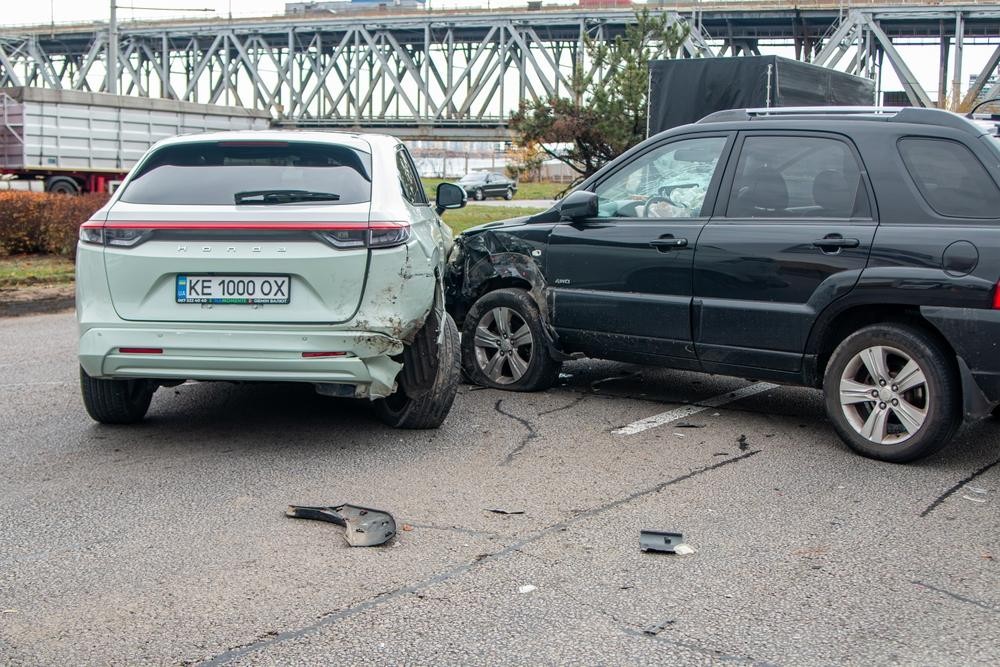
A car accident leaves behind more than damaged vehicles and sudden injuries.
The moment itself is visible, but everything that follows often moves in a direction most people do not expect. What appears simple from the outside slowly turns into a process made of small steps, careful reviews, and repeated checks that shape the final result in ways that are not always obvious. Many people assume that once a report is filed, things will move quickly toward resolution. The reality is different because each stage adds new information that must be examined before any decision is made.
This is where understanding an auto accident injury claim becomes important, especially for those trying to make sense of delays or changing updates during the process.
The First Formal Step After Reporting the Accident
Once the immediate situation settles, the formal reporting stage begins. This may involve police reports, insurance notifications, or both, depending on the circumstances. These documents are created to establish an official record of the event.
The report typically includes basic facts such as time, location, visible damage, and initial statements from those involved. While it may seem routine, this step carries significant weight because it becomes the reference point for all future evaluations.
Insurance companies use this report to open a case file and begin their internal process. From this moment, the accident moves from a real-time event into a structured claim that will be reviewed step by step.
How Evidence Starts to Build the Case
After the initial report, evidence collection becomes a key part of the process. Photos taken at the scene help show vehicle positions, road conditions, and visible injuries. Medical records begin to document treatment and recovery, adding another layer of detail.
Witness statements may also be gathered if available. These accounts provide additional perspectives that help clarify what happened. Over time, all of these elements combine to form a more complete picture of the incident.
What often goes unnoticed is how small details can later carry significant weight. A minor photo angle, a short medical note, or a single witness observation can influence how the entire case is understood during review.
The Role of Insurance Companies Behind the Scenes
Insurance companies begin their internal evaluation once they receive the claim and supporting information. This stage involves adjusters who review documents, compare evidence, and assess responsibility.
The process is not immediate because multiple checks take place before any decision is made. Each piece of information is examined to confirm consistency and accuracy. Communication may feel slow during this time, but internally, the case is being carefully reviewed.
This stage plays a major role in shaping how the auto accident injury claim develops, since it influences how liability is determined and what type of settlement may be considered later.
The Turning Point: When Legal Review Begins
Some cases reach a point where legal review becomes necessary. This often happens when there are disagreements about fault, unclear evidence, or disputes about compensation amounts.
At this stage, the information already gathered is reviewed again with closer attention. Any missing details are identified, and inconsistencies are examined. This step can shift the direction of the case because it brings a more structured and detailed level of analysis.
What seemed like a straightforward claim earlier may now require deeper investigation before moving forward.
Why Small Decisions Change the Final Outcome
Throughout the process, small decisions can have long-lasting effects on the result of the case.
- Early statements given after the accident
- Timing of medical treatment and follow-up care
- Consistency in reporting injuries over time
- Quality and clarity of documentation
- Communication patterns with insurance representatives
- Whether details are recorded immediately or delayed
Each of these elements may appear minor on its own, but together they shape how the case is understood. Even a small gap in information can influence how responsibility and compensation are evaluated.
Common Misunderstandings About Car Accident Cases
Many people enter the process with expectations that do not match how the system actually works.
- Believing that early settlement offers reflect full value
- Assuming silence means nothing is happening
- Thinking that vehicle damage alone determines compensation
- Expecting immediate closure after filing a claim
- Overlooking the importance of consistent documentation
- Assuming all cases follow the same timeline
These misunderstandings often create frustration because the real process is layered and structured rather than direct and immediate.
Final Perspective on the Quiet Stes
A car accident case is not defined by the moment of impact alone. It is shaped by a series of quiet steps that happen afterward, each adding detail and direction to the final outcome.
From reporting and evidence gathering to insurance review and possible legal evaluation, every stage contributes to how the claim is understood. These steps may not always be visible, but they carry significant influence over the result.
Understanding this structure helps explain why the process feels slower than expected. The outcome of an auto accident injury claim is not decided in one moment but built gradually through careful review, layered information, and structured decision-making that unfolds over time.
Enjoy Worthview?
Add Worthview as a Preferred Source on Google to see more of our stories in Search.

Worthview Editorial Team is the shared byline for content created collaboratively by Worthview’s editors and contributors. Since 2008, we’ve published thousands of articles across technology, AI, finance, health, home, travel, and lifestyle. Our editorial process emphasizes original research, reputable sources, regular content updates, and clear attribution. Articles covering higher-trust topics, including health and finance, may also undergo review by qualified subject-matter experts.