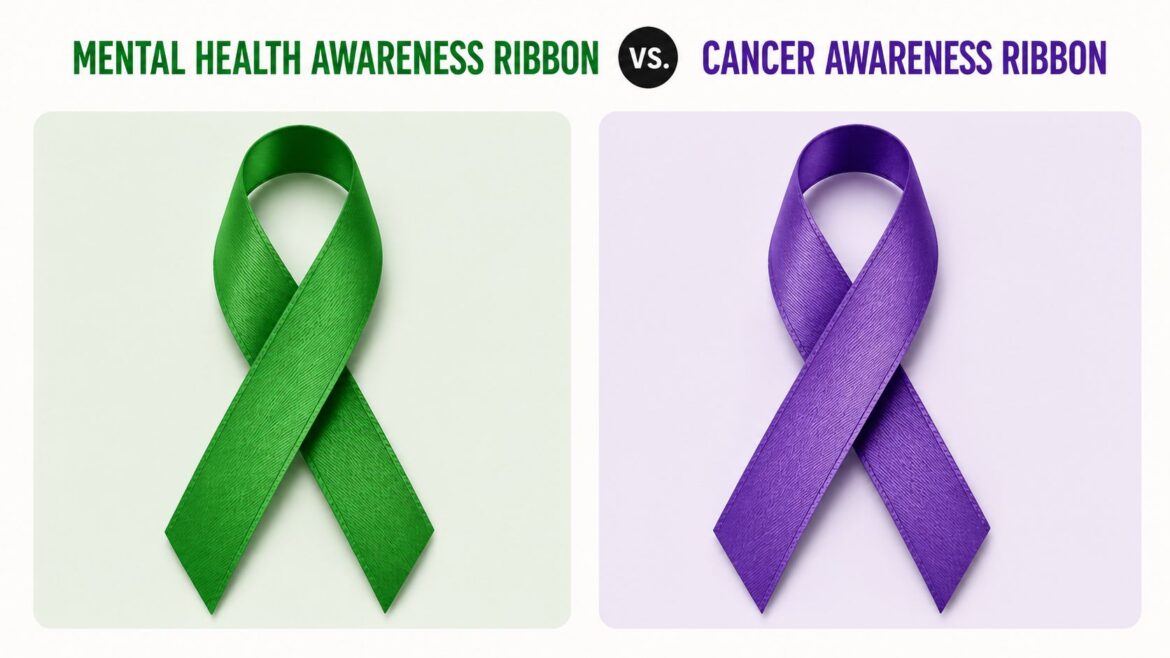
The Mental Health Awareness Ribbon and the Cancer Awareness Ribbon serve as powerful symbols, each representing significant health issues globally. These ribbons help to increase awareness, foster community support, and encourage advocacy for their respective causes. While both ribbons are vital in their own right, the question arises: which symbol holds more meaning? To understand this, we must explore the unique significance and impact of each ribbon within their specific contexts.
Mental Health Awareness Ribbon: Significance and Symbolism
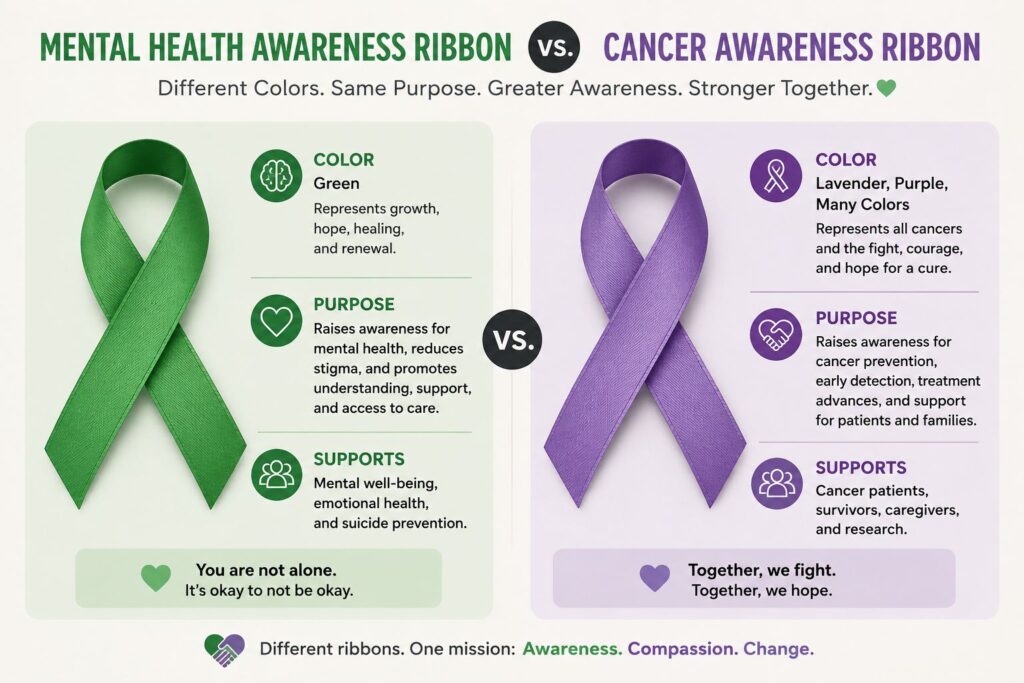
The Mental Health Awareness Ribbon is primarily green, symbolizing new life, growth, and balance. This ribbon is a beacon of hope and understanding, aimed at reducing the stigma associated with mental health conditions. Mental Health Awareness Ribbon is critical, as it affects millions worldwide, and often goes unrecognized or untreated due to societal stigma. The ribbon also plays a role in campaigns that emphasize the importance of informed consent process, ensuring individuals understand their rights and the potential impacts of treatments.
In addition, the Mental Health Awareness Ribbon is instrumental in promoting campaigns that focus on subject recruitment strategy for mental health trials, emphasizing inclusive and representative participation. This ensures diverse populations are considered in research, leading to more effective treatments and interventions. The Mental Health Awareness Ribbon, therefore, not only symbolizes hope and understanding but also supports ongoing research and advocacy efforts.
Moreover, the use of this ribbon is linked to efforts in safety signal detection and risk-based monitoring within mental health research. These practices ensure that patient safety is prioritized and potential adverse events are swiftly addressed, maintaining the integrity of mental health studies.
Cancer Awareness Ribbon: Colors and Their Meanings
Unlike the singular color of the Mental Health Awareness Ribbon, the Cancer Awareness Ribbon comes in multiple colors, each representing a specific type of cancer. For example, the pink ribbon is globally recognized for breast cancer awareness, while the light blue ribbon represents prostate cancer. These colors have become synonymous with their respective causes, uniting people in the fight against cancer.
Cancer awareness campaigns often leverage a Clinical Trial Management System (CTMS) to organize and track clinical trials. This system ensures that trials run smoothly and effectively contribute to finding cures and improving treatments. Additionally, these ribbons symbolize adherence to Good Clinical Practice (GCP), ensuring that clinical trials prioritize patient safety and ethical standards.
The Cancer Awareness Ribbon is also associated with regulatory submission dossiers. These documents are crucial for gaining approval for new cancer treatments, ensuring that they are safe and effective for public use. The colorful ribbons, therefore, not only raise awareness but also represent the rigorous scientific efforts behind cancer treatment advancements.
Comparing the Impact of Both Ribbons on Society
Both the Mental Health Awareness Ribbon and the Cancer Awareness Ribbon have had significant impacts on society. The Mental Health Awareness Ribbon has heightened awareness about mental health issues, leading to increased funding and research initiatives. For instance, campaigns linked with the Mental Health Awareness Ribbon have led to improvements in the randomization scheme of mental health trials, ensuring that studies are conducted without bias and with accurate results.
On the other hand, Cancer Awareness Ribbons have played a crucial role in advancing cancer research. These ribbons have inspired community support and fundraising efforts, leading to breakthroughs in cancer treatments. A crucial aspect of these efforts is the role of the Data Monitoring Committee (DMC), which oversees clinical trials to ensure that patient welfare is prioritized and that data collection remains unbiased and accurate.
Both ribbons have galvanized communities, fostered public discussions, and encouraged participation in health advocacy. However, their impact varies based on societal needs and the specific challenges each health issue presents.
The Role of Awareness Ribbons in Advocacy and Support
Awareness ribbons, such as the Mental Health Awareness Ribbon and Cancer Awareness Ribbon, play a pivotal role in advocacy and support. They serve as visual reminders of the ongoing struggles and triumphs in these health domains. These ribbons mobilize communities, encourage policy change, and support individuals affected by these conditions.
For mental health, the Mental Health Awareness Ribbon has supported initiatives that focus on the endpoint adjudication in mental health research, ensuring that outcomes are accurately assessed and reported. This transparency helps in better understanding mental health conditions and improving treatment strategies. To learn more about the significance of the Mental Health Awareness Ribbon, visit the Mental Health Awareness Ribbon page.
In the realm of cancer, awareness ribbons have been instrumental in funding and research, leading to advancements in biostatistical analysis plans that shape the future of cancer treatments. These efforts have increased survival rates and improved the quality of life for many individuals.
Conclusion
Both the Mental Health Awareness Ribbon and Cancer Awareness Ribbon hold profound meanings, symbolizing hope, advocacy, and progress in their respective fields. While the Mental Health Awareness Ribbon focuses on reducing stigma and enhancing research, the Cancer Awareness Ribbon emphasizes diverse cancer types and the relentless pursuit of cures. Each ribbon is indispensable, reflecting the unique challenges and triumphs of their causes, and together, they contribute to a more informed and compassionate society.