Your car’s brakes are among its most important safety systems, yet brake problems often develop gradually before becoming obvious. Worn brake pads, damaged rotors, low brake fluid, or other issues can reduce braking performance and increase stopping distances.
Regular brake inspections can help identify problems before they become expensive or dangerous. But how often should you check your brakes, and what warning signs should you look for?
This guide explains when to inspect your brakes, common signs of brake problems, how mileage affects brake wear, and what you can do to keep your braking system working safely.
Key Takeaways
- Check your brakes regularly: Have them inspected at least once a year or according to your vehicle manufacturer’s maintenance schedule.
- Know the warning signs: Squealing, grinding, vibrations, a soft brake pedal, pulling, or longer stopping distances can indicate a brake problem.
- Don’t ignore dashboard warnings: A brake or ABS warning light should be investigated promptly.
- Inspect before long trips: If your brakes are due for service or you notice unusual behavior, get them checked before traveling.
- Address problems early: Proactive brake maintenance can help prevent minor wear from developing into more expensive or potentially dangerous problems.
Importance of Regular Brake Inspections
Routine inspection of your vehicle’s brakes is essential to maintaining its performance and safety. According to Trevelers.com, it is recommended to have a professional evaluate your brake system and inspect the pads at least annually, every 12,000 miles, or as per your car manufacturer’s guidelines. Staying informed about the condition of your brakes can help avert potential failures and extend the lifespan of your vehicle.
Regular checks allow for early identification of wear and tear, decreasing the likelihood of brake-related issues when you’re on the road. Brake maintenance not only enhances safety but also contributes to better fuel efficiency and vehicle longevity. By upholding these practices, you mitigate the risk of abrupt braking problems and enjoy a smoother driving experience.
Moreover, addressing brake issues promptly can prevent costly repairs in the future. Investing in preventative maintenance saves money by avoiding major repairs or replacements later. Staying proactive with brake inspections boosts confidence in your vehicle, knowing it’s ready to tackle any journey you embark on, whether for personal tasks or business purposes.
Regular inspections can help you:
- Detect brake wear before it becomes a serious problem
- Maintain consistent braking performance
- Identify problems with rotors, calipers, or brake fluid
- Avoid more expensive repairs caused by neglected components
- Improve confidence and safety while driving
Brake maintenance is therefore less about waiting for a problem and more about identifying potential problems early.
The Impact of Mileage on Brake Systems
The wear and tear on a vehicle’s brake system are significantly influenced by the miles driven. The Federal Highway Administration notes that Americans log more than 3.2 trillion miles each year, which leads to increased wear on essential components like tires, brakes, and suspension systems. As mileage accumulates, the brakes endure more stress, highlighting the necessity for regular maintenance.
You should consider having them inspected sooner if you:
- Drive frequently in heavy traffic or stop-and-go conditions
- Regularly drive on steep or mountainous roads
- Notice changes in braking performance
- Hear unusual sounds when braking
- Feel vibrations or pulling when you apply the brakes
- Have driven a high number of miles since your last inspection
- Are planning a long road trip
Understanding how mileage affects braking components can inform better maintenance schedules. With frequent travel, regular inspections can identify brakes that need service before they pose a safety risk. By accounting for the total miles covered, vehicle owners can time their brake checks more accurately, ensuring they remain atop of maintenance needs.
This cumulative mileage emphasizes the importance of brakes in providing smooth and safe driving. High mileage not only impacts the mechanical integrity of brakes but can also affect handling and efficiency. Remaining diligent about brake maintenance in light of travel demands helps sustain consistent and reliable vehicle performance for all drives, personal or business-related.
The Risks of Brake Failure and Safety Best Practices
Brake failure can result in dangerous situations on the road, making it imperative to adhere to safety best practices. According to Dyer, Garofalo, Mann & Schultz, approximately 5% of car crashes in the U.S. annually are attributed to brake failure. This statistic underscores the critical role functioning brakes play in preventing accidents.
Some brake problems are easy to notice, while others develop gradually. If you experience any of the following warning signs, have your braking system inspected by a qualified professional.
1. Squealing or Grinding Noises
A high-pitched squeal when braking can indicate that the brake pads are becoming worn. A grinding sound can be more serious and may mean that the brake pad material has worn away, allowing metal components to contact the rotor.
2. Vibrations When Braking
If the steering wheel, brake pedal, or vehicle vibrates when you apply the brakes, there may be an issue with the brake rotors or other components. Have the vehicle inspected rather than ignoring persistent vibrations.
3. Soft or Spongy Brake Pedal
A brake pedal that feels unusually soft, spongy, or requires more pressure than normal can indicate a problem with the hydraulic braking system. It should be checked promptly.
4. Vehicle Pulling to One Side
If your vehicle consistently pulls left or right while braking, the cause could include uneven brake wear, a sticking caliper, or another brake or suspension problem.
5. Longer Stopping Distance
If your vehicle takes noticeably longer to stop than it normally does, don’t ignore the change. Reduced braking performance can have several causes and requires professional inspection.
6. Brake Warning Light
A brake warning light or ABS warning light on the dashboard should not be ignored. Check your vehicle owner’s manual and have the system inspected if the warning remains illuminated.
7. Burning Smell After Braking
A strong burning smell after repeated or heavy braking may indicate overheated brakes. Allow the brakes to cool safely and have them inspected if the smell persists or occurs during normal driving.
If your brakes suddenly feel significantly different or braking performance is severely reduced, avoid continuing to drive and seek professional assistance.
Being vigilant with brake maintenance is a practical approach to securing a reliable driving experience. By understanding the importance of regular inspections, the impact of mileage, and the dangers of brake failure, you can make informed decisions about your vehicle’s upkeep. Proactively managing your brakes, equipped with industry insights, aligns with best practices ensuring safety and longevity for every journey, whether fueled by personal errands or business activities.
What Does a Brake Inspection Include?
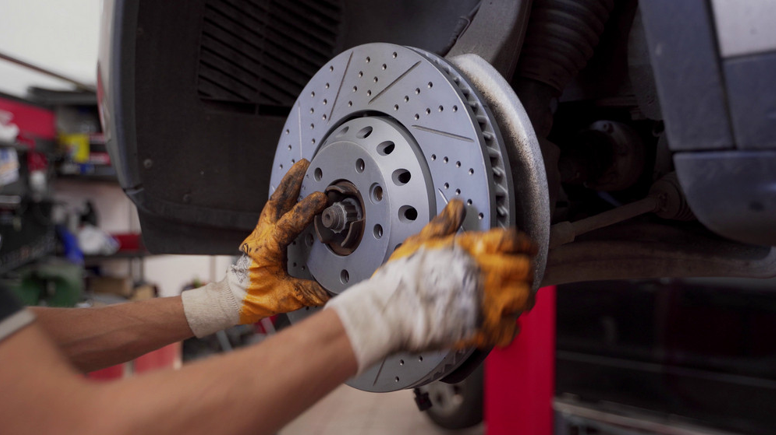
A brake inspection is more than simply checking whether the brake pads look worn. A qualified technician typically examines several components of the braking system to identify wear, damage, leaks, or other potential problems.
Depending on the vehicle, an inspection may include:
- Brake pads: Checking the remaining friction material and looking for uneven wear.
- Brake rotors: Inspecting for excessive wear, scoring, cracks, or other damage.
- Brake calipers: Checking for signs of sticking, leaks, or uneven operation.
- Brake fluid: Checking the fluid level and condition and looking for possible leaks.
- Brake lines and hoses: Inspecting for corrosion, cracks, leaks, or other damage.
- Parking brake: Checking whether it engages and releases properly.
- ABS components: Checking for warning lights or other signs of an anti-lock braking system problem.
A technician may also perform a road test to evaluate braking performance, pedal feel, unusual noises, vibrations, or whether the vehicle pulls to one side.
The exact inspection process varies by vehicle, so follow the maintenance recommendations in your owner’s manual and consult a qualified technician when you notice a change in braking performance.
How to Maintain Your Brakes
Regular maintenance can help extend the life of your braking components and keep braking performance consistent. While some brake work requires a qualified technician, drivers can take several simple steps to reduce unnecessary wear.
Follow the Manufacturer’s Maintenance Schedule
Your vehicle owner’s manual provides recommended inspection and maintenance intervals. Follow these guidelines rather than relying only on mileage because maintenance requirements vary between vehicles.
Pay Attention to Changes in Braking
Don’t ignore unusual noises, vibrations, a soft brake pedal, pulling, or changes in stopping performance. Addressing these symptoms early can help prevent a minor issue from becoming a more expensive repair.
Avoid Unnecessary Hard Braking
Frequent aggressive braking generates additional heat and can accelerate wear on brake components. When conditions allow, maintain a safe following distance and brake smoothly.
Check Before Long Trips
If you’re planning a road trip, have your brakes inspected if they are due for service or you have noticed any warning signs. It is better to identify a problem before starting a long journey.
Keep Your Vehicle Properly Maintained
Brake performance can also be affected by other vehicle components. Maintaining your tires, suspension, and wheel alignment as recommended can help support safe and predictable braking.
Conclusion
Your vehicle’s brakes play a critical role in keeping you and other road users safe. Regular inspections can help identify worn brake pads, damaged rotors, fluid problems, and other issues before they affect braking performance.
You don’t have to wait for a major warning sign to check your brakes. Follow your vehicle manufacturer’s maintenance schedule, pay attention to changes such as unusual noises or vibrations, and have the braking system inspected whenever something doesn’t feel right.
A proactive approach to brake maintenance can help you address problems earlier, avoid unexpected repairs, and keep your vehicle ready for safer everyday driving and longer journeys.
Enjoy Worthview?
Add Worthview as a Preferred Source on Google to see more of our stories in Search.

Worthview Editorial Team is the shared byline for content created collaboratively by Worthview’s editors and contributors. Since 2008, we’ve published thousands of articles across technology, AI, finance, health, home, travel, and lifestyle. Our editorial process emphasizes original research, reputable sources, regular content updates, and clear attribution. Articles covering higher-trust topics, including health and finance, may also undergo review by qualified subject-matter experts.