Opportunities for Brand Growth Through Global Events in 2026
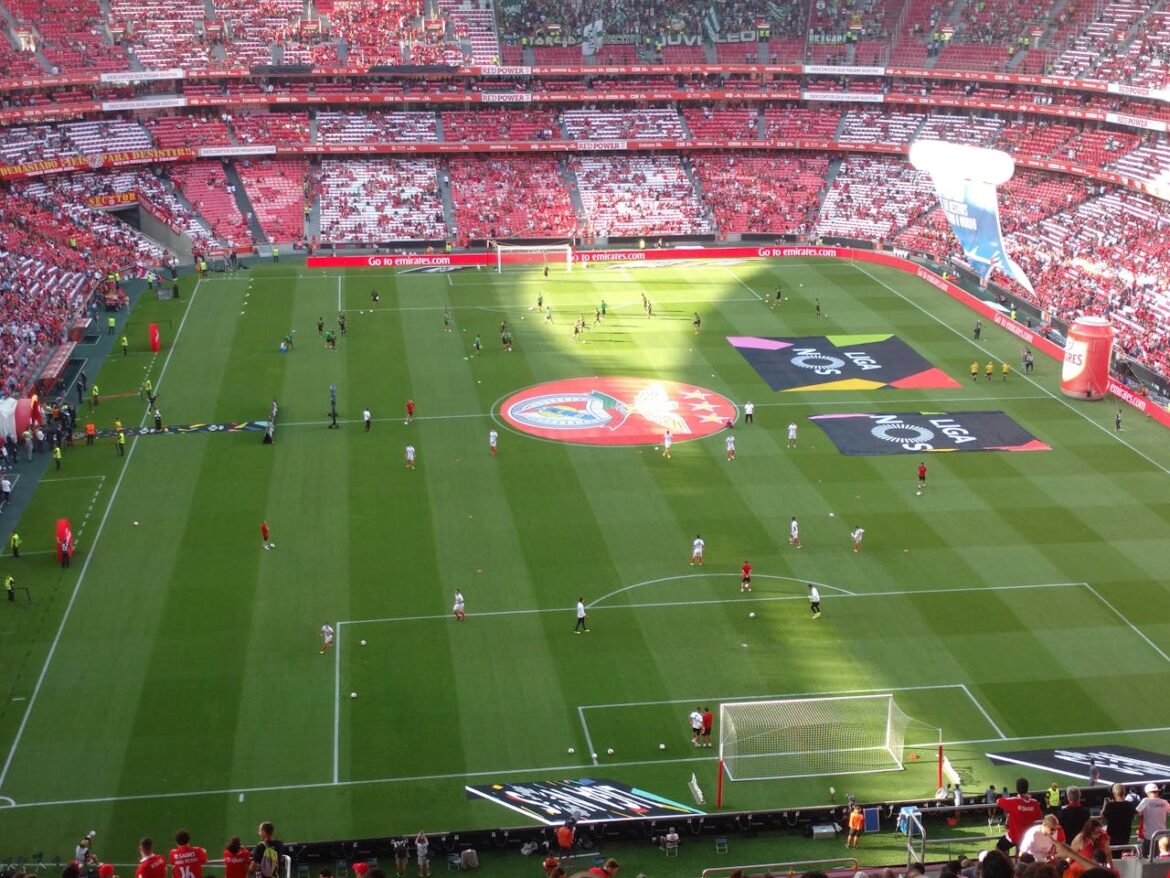
2026 will be a year in which major international events, including the 2026 FIFA World Cup, present prime opportunities for brand growth. The tournament will be hosted across three North American countries and is projected to attract billions of viewers worldwide. These events are not merely sporting festivals; they have a multibillion-dollar impact on the advertising market and dramatically boost fan engagement. They deliver clear benefits in terms of increased brand awareness, customer acquisition, and sales growth.
Looking back at past FIFA World Cups, we can see clear impacts. Budweiser launched its “The World Is Yours To Take” campaign during the 2022 tournament and expanded its market share. Nike provided memorable experiences for fans through emotionally resonant storytelling. These successes demonstrate the importance of viewing the event as a cultural moment and transforming it from mere exposure into a fan-participatory experience. Especially in diverse markets, including the Asia-Pacific region, such strategies will be key to determining competitive advantage in 2026.
Practical Marketing Strategies and Global Case Studies
Practical marketing strategies can be categorized into four areas.
- First is emotion-driven storytelling. By merging fan culture with the brand, companies generate empathy.
- Second is activation and experiential events. Fan zones and pop-up stores provide opportunities for physical participation.
- Third is digital and real-time engagement. Social media and influencers are leveraged to instantly share the excitement of the match.
- Fourth is data-driven targeting. Using geofencing and personalization technology, they deliver the right message at the right time.
There are numerous examples of these strategies being successfully implemented. In 2022, Adidas launched its “Family Reunion” campaign, featuring fan zones centered on the theme of family reunions, which accounted for 37% of social media conversations. Lay’s collaborated with Lionel Messi to transform an everyday snack into a symbol of the tournament, boosting sales.
Home Depot expanded its base of everyday customers to include tournament fans through fan activities featuring US national team players. These examples demonstrate concrete results, such as improved engagement rates and increased sales.
As sports-related brands and entertainment companies leverage global events, the fan-participation market is drawing particular attention. Let’s look at Japan, which is one of the world’s most soccer-crazy nations in Asia, with fan activities thriving during international tournaments. In this context, FIFA World Cup betting in Japan serves as an excellent example of linking real-time match excitement with brand experiences. The use of AI-powered notifications and personalized offers serves as a reference point for global brands, demonstrating how match-viewing can be transformed from a passive viewing experience into interactive brand engagement.
By combining these four strategies, brands can build long-term customer relationships that extend beyond the temporary boost provided by the event.
Challenges and Best Practices for Implementation
On the other hand, implementation often comes with challenges. Budget constraints are the first to be mentioned. Small and medium-sized brands that cannot become official sponsors struggle in particular. Furthermore, ambush marketing by non-official sponsors carries legal risks. Additionally, if cultural appropriateness in the target market is not ensured, the campaign could backfire. Solutions to overcome these challenges include low-budget guerrilla tactics and leveraging local partnerships.
Engagement rates, conversion rates, and brand recall should be used as metrics to measure success. This allows for a quantitative understanding of the strategy’s effectiveness. The checklist for global brands to follow is as follows: First, create a detailed plan and timeline. Second, deepen your understanding of the target market’s culture. Third, ensure thorough cross-channel integration. Fourth, establish an ROI measurement framework. Delving deeper into the Japanese market case study mentioned in Part 2 reveals that strategies which carefully capture the cultural nuances of events are what foster deep connections with fans.
Future Outlook and Actionable Recommendations
From 2026 onward, marketing utilizing global events will shift even further toward being data-driven and experience-focused. The roadmap for sustainable brand growth lies in early preparation and flexible execution. For business owners and marketing professionals, here are three actions to take immediately. First, map out the event calendar and plan early. Second, conduct small-scale test campaigns to validate your approach in the field. Third, build a cross-functional team comprising marketing, sales, and IT.
Only companies that leverage global events not as mere fleeting opportunities but as strategic tools to enhance brand value will be able to accelerate growth in the competitive landscape of 2026. We encourage readers to start considering how to incorporate this approach into their own businesses.
FAQs
1. How can global events help brand growth?
Global events bring massive audiences together, giving brands a unique chance to increase visibility and reach new customers quickly. They also create emotional engagement, which helps improve brand recall and drives higher conversions.
2. What is the best strategy for event marketing?
The most effective strategy combines storytelling, real-time engagement, and data-driven targeting to connect with audiences. Brands that align their message with the event’s emotions and trends tend to perform better.
3. Can small businesses benefit from global events?
Yes, small businesses can leverage social media, influencer partnerships, and creative campaigns without being official sponsors. With smart targeting and timing, even low-budget campaigns can generate strong engagement.
4. What metrics should brands track during events?
Brands should track engagement rate, conversion rate, and social media reach to measure campaign performance. Monitoring brand recall and audience sentiment also helps evaluate long-term impact.
Enjoy Worthview?
Add Worthview as a Preferred Source on Google to see more of our stories in Search.

Worthview Editorial Team is the shared byline for content created collaboratively by Worthview’s editors and contributors. Since 2008, we’ve published thousands of articles across technology, AI, finance, health, home, travel, and lifestyle. Our editorial process emphasizes original research, reputable sources, regular content updates, and clear attribution. Articles covering higher-trust topics, including health and finance, may also undergo review by qualified subject-matter experts.