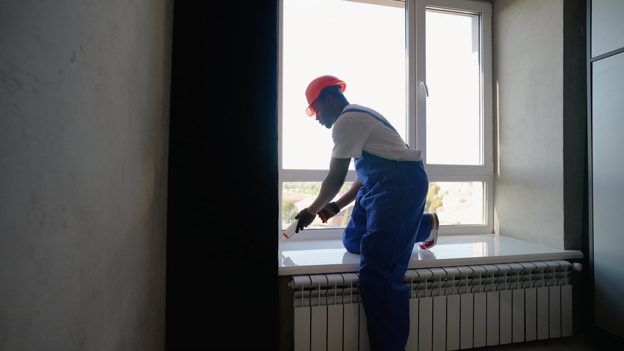
Not every home improvement project is worth the investment. Some upgrades may look impressive when completed but provide little lasting benefit, while others quietly protect a property’s condition, improve everyday functionality, and make the home more appealing to future buyers.
So, which home improvements are most likely to support property value over the long term?
The answer isn’t necessarily a luxury kitchen or an expensive remodel. Practical projects such as improving the driveway, preventing water damage, and making existing spaces more functional can address problems that affect both homeowners and potential buyers. The most valuable improvements are often the ones that make a property more durable, easier to maintain, safer, and more useful.
Key Takeaways
- Prioritize practical improvements over short-lived trends. Projects that improve durability, functionality, and maintenance can provide value for years.
- Don’t overlook the driveway. A well-maintained entrance can improve both curb appeal and everyday usability.
- Protect the home from water damage. Addressing leaks, drainage issues, and aging plumbing can help prevent more expensive problems later.
- Make existing space work harder. Built-in storage, improved closets, shelving, and better-organized areas can increase functionality without adding square footage.
- Think beyond immediate appearance. The strongest long-term improvements address the property’s condition and the needs of future occupants.
- Consider professional installation where it matters. Proper preparation and installation can directly affect the durability of improvements such as driveways
Improving the Driveway and Property Entrance
A driveway is one of the first features people notice when approaching a home, making its condition important for both curb appeal and functionality. Cracks, potholes, drainage problems, and deteriorating surfaces can make a property look neglected and may eventually create more significant maintenance concerns.
Replacing or improving an aging driveway can provide a smoother, more durable surface while giving the property’s exterior a refreshed appearance. When asphalt is selected, the underlying foundation is an important part of the installation. According to The Spruce, asphalt driveways are commonly installed over a compactable gravel layer that is four to eight inches thick, helping provide both a stable foundation and drainage.
How to Make a Driveway Last Longer
A new driveway is only part of the investment. Regular maintenance can help preserve the surface and reduce the likelihood of larger problems.
Homeowners should:
- Address cracks before they become larger.
- Keep the driveway clear of excessive debris.
- Pay attention to drainage and standing water.
- Have significant surface or foundation problems professionally assessed.
- Prioritize proper preparation and installation when replacing the driveway.
A well-maintained driveway can therefore contribute to a property’s appearance, usability, and long-term condition rather than simply serving as a cosmetic upgrade. Proper preparation and ongoing maintenance are highlighted in the original draft as important factors in driveway longevity.
Protecting the Property From Water Damage
Water damage can have a substantial effect on a property’s condition and value. Even a small leak can introduce moisture into walls, flooring, ceilings, and other areas where it may go unnoticed. Addressing plumbing and water-related problems quickly can help homeowners protect the structural components of the property.
According to Belfor, an unattended minor water leak can result in significant structural damage and mold growth within 24 to 48 hours. Because moisture-related problems can develop quickly, homeowners should investigate signs such as water stains, damp areas, musty odors, or unexplained increases in water usage.
Practical Ways to Prevent Water Damage
Homeowners can take several proactive steps to protect their property:
- Replace aging plumbing components before they become a source of leaks.
- Install leak-detection devices in areas where water damage could go unnoticed.
- Improve drainage around the property to reduce unwanted water accumulation.
- Inspect beneath sinks regularly for moisture or signs of leaks.
- Check around water-using appliances for dampness, staining, or other warning signs.
- Investigate musty odors, water stains, damp areas, or unusual increases in water usage rather than ignoring them.
Proactive improvements can include replacing aging plumbing components, installing leak detection devices, improving drainage around the property, and inspecting areas beneath sinks and around water-using appliances. These measures can help identify potential sources of water damage before they become more disruptive and expensive problems.
Creating Organized and Functional Spaces
A home’s value is influenced by more than its structural condition. The way a property functions can also affect how comfortable it is for current residents and how appealing it may be to future buyers. Improvements that make storage and living areas easier to use can help homeowners get more value from their existing square footage.
Organization is a significant priority for many households. According to YouGov, 91% of Americans consider having an organized home at least somewhat important. This suggests that functional, clutter-free spaces can be an important part of creating a home that meets everyday needs.
Home Improvements That Improve Organization
Instead of automatically adding new square footage, homeowners can make existing areas more useful through relatively targeted improvements, such as:
- Built-in storage for frequently used items
- Closet upgrades that make better use of available space
- Shelving systems in garages, laundry rooms, and utility areas
- Entryway storage for shoes, coats, and everyday essentials
- Mudroom improvements that reduce clutter in living areas
- Redesigning underused spaces to give them a practical purpose
These changes can make rooms easier to use, maintain, and keep organized without requiring a major addition to the property.
Homeowners can improve organization by adding built-in storage, updating closets, installing shelving, or redesigning underused areas. Mudrooms, laundry rooms, garages, and entryways can all benefit from thoughtful storage solutions. Instead of simply adding m
Why Functional Space Can Matter for Resale
When buyers evaluate a home, they are not only looking at finishes and aesthetics. They also need to imagine how their belongings, routines, and household needs will fit into the property.
Practical storage and well-organized spaces can make that easier. As a result, improvements that increase the usefulness of existing square footage can support both current livability and future buyer appeal.
Prioritizing Improvements With Lasting Benefits
Not every renovation needs to be dramatic to support long-term property value. Practical improvements that improve durability, organization, safety, and everyday functionality can have lasting benefits. Homeowners should consider how each project fits the property’s current needs, maintenance requirements, and potential future appeal.
Before starting a project, homeowners should consider:
- Does it solve an existing problem?
- Will it reduce future maintenance?
- Will it improve how the space is used?
- Does it protect an important part of the property?
- Is the improvement likely to remain useful as needs change?
Investing in the driveway, protecting against water damage, and improving storage can help preserve a home’s condition while making it more enjoyable to use. By focusing on thoughtful upgrades rather than short-lived trends, homeowners can create a property that remains functional, attractive, and valuable over the long term.
Conclusion
The best home improvements are not always the most dramatic ones. Projects that protect the property, improve functionality, and make everyday maintenance easier can deliver meaningful long-term benefits.
A better driveway, proactive protection against water damage, and smarter organization are three practical places to start. The right choice ultimately depends on the property’s condition, the homeowner’s needs, and how long they plan to remain in the home.
Frequently Asked Questions
What home improvements add the most long-term value?
Improvements that address practical needs tend to offer lasting benefits. Maintaining the driveway, protecting the property from water damage, and improving storage and organization can enhance durability, functionality, and overall appeal.
Does improving a driveway increase property value?
A well-maintained or properly installed driveway can improve curb appeal and everyday usability. It can also help prevent maintenance problems associated with cracks, potholes, poor drainage, and deteriorating surfaces.
How can homeowners protect their property from water damage?
Homeowners can reduce water-related risks by addressing leaks promptly, replacing aging plumbing components, improving drainage, installing leak-detection devices, and regularly checking areas beneath sinks and around water-using appliances.
Are storage improvements worth the investment?
Storage improvements can make existing square footage more functional and easier to maintain. Built-in storage, closet upgrades, shelving, mudrooms, and better-organized entryways are practical ways to improve how a home is used.
Should homeowners prioritize appearance or functionality?
For long-term value, functionality and durability should generally be considered alongside appearance. Improvements that solve maintenance problems, protect the property, improve organization, or make everyday living easier can continue providing benefits after design trends change.
Do you need a major renovation to improve property value?
No. A project does not need to be dramatic to provide lasting benefits. Smaller improvements that address durability, safety, organization, and maintenance can be worthwhile without undertaking a major renovation.
Enjoy Worthview?
Add Worthview as a Preferred Source on Google to see more of our stories in Search.

Loves home. I am here to provide how to make your home a much better place. 🙂 Blogging about HomeDecor, Home Improvements and more.





I found it really enlightening how you emphasized the difference between flashy renovations and those that genuinely protect the home’s value over time. It’s a great reminder that practical improvements like roof repairs can yield better returns than cosmetic upgrades. For anyone exploring this topic further, I often refer to a helpful resource called Hop Earth guide.
I appreciate how you highlighted the importance of focusing on home improvements that actually support long-term property value rather than just aesthetic enhancements. It’s crucial to know which upgrades will stand the test of time. I’m curious about the projects you think offer the best return on investment! I often refer to an emoji mashup tool for creative inspiration when brainstorming ideas.
I appreciate the insight on how not all upgrades yield equal returns. The emphasis on prioritizing projects that maintain the property’s condition resonates with me, especially considering the long-term benefits. It’s crucial to choose wisely when investing in home improvements. A go-to resource I use for planning is the wire gauge chart to ensure I make informed electrical upgrades.
I appreciate the emphasis on choosing home improvement projects that add real value over time. It’s true that it’s easy to get swayed by quick cosmetic changes, but I love how you highlighted the importance of maintenance for long-term property health. I’ll be sure to keep that in mind for future renovations. Additionally, I often use a salary to hourly calculator to help budget for these projects more effectively.