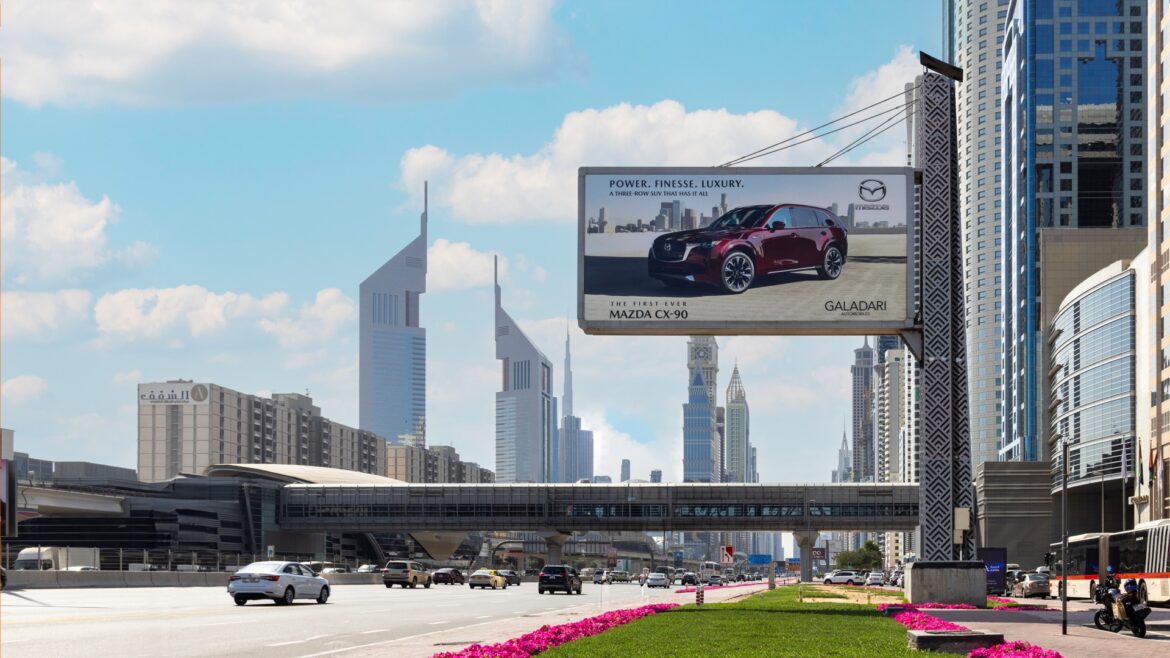
Planning an outdoor advertising campaign in Dubai starts with defining a clear business objective, identifying the right audience and mapping the locations they regularly visit. Businesses should choose suitable formats such as digital outdoor screens, static billboards and marine advertising based on their campaign goals, audience journeys and budget.
A successful campaign also requires attention-grabbing creative, realistic production timelines, confirmed media availability and a clear delivery verification process. Track campaign delivery separately from business outcomes such as enquiries, website visits and store activity to evaluate performance and improve future outdoor advertising campaigns.
A useful outdoor campaign begins with a clear business question and a realistic understanding of where customers travel. For brands considering outdoor advertising in Dubai, the first decision concerns the audience and the journey. A roadside screen, a large static display and a marine placement provide different opportunities for communication. Blue Ad presents these formats within its outdoor media portfolio. Building a plan around those differences helps a marketing team connect its message, locations and follow-up activity. It also makes the eventual proposal easier to assess against a commercial objective.
Start with a Commercial Question
Define the change the campaign should support before requesting locations. A restaurant opening, a property launch and an established retailer need different introductions. The restaurant may need familiarity within a practical catchment. A property business may want prospective buyers to recognise a development before an enquiry. The retailer may need an existing identity to remain visible during a seasonal campaign.
Translate that purpose into a plain sentence everyone can use. For example, a hypothetical restaurant could seek recognition among people travelling near its new location. It also helps the designer decide which information deserves attention. A business objective should guide these decisions throughout the campaign, including the eventual review.
Map the Journeys That Matter
Use customer knowledge to identify the journeys most relevant to the offer. Consider where likely customers work, shop, spend leisure time or change transport. A familiar road name can start the discussion, but it cannot describe the whole audience. Direction of travel, the position of the display and surrounding activity all influence the usefulness of a location.
A practical route map can connect a store, a service area and nearby destinations. The map should distinguish observed customer behaviour from assumptions. Sales records, branch enquiries and conversations with local teams can provide clues. Avoid describing every passer-by as a potential customer when the product serves a narrower need. Explain why each proposed placement belongs in the campaign.
Review the Journey on Site
Ask for recent photographs from the relevant approach and viewing direction. Where practical, visit during the intended advertising period. Note competing signs, visual obstructions and pedestrian activity. These observations help test the proposal against the experience of a person passing the display.
Research perspective — Richard Shotton highlights the influence of context. Applied here, that supports checking the viewing situation alongside audience characteristics.
Choose a Format with a Clear Role
Large static displays can provide a consistent visual presence throughout a booked period. Digital screens allow different approved creative files to appear according to the agreed schedule. Marine formats introduce other settings, including journeys and waterfront environments. Give every format a job within the plan before comparing offers.
Blue Ad lists digital outdoor media, static hoardings and marine advertising on its website. These categories provide a starting point for a format discussion. They do not establish which inventory is available for particular dates. Request the current specifications and proposed placement details. Explain how each format serves the message and how its delivery will be documented.
Build a Message for a Passing Audience
Create a visual hierarchy that makes the brand and the main idea easy to understand. A recognisable product, a clear benefit or a distinctive scene can provide one. Keep supporting information proportionate to the likely viewing opportunity.
A useful creative review asks what a person would remember after a brief glance. If the answer depends on reading several claims, the layout needs another pass. A hypothetical retailer might show one product category and its identity, then explain the full range elsewhere. The website, sales team and supporting channels can carry additional detail once the outdoor message has created interest.
Test the Layout at Realistic Scale
Reduce the artwork to approximate the intended viewing distance. Check whether the brand remains clear and the central message survives. Review the result on the actual display proportions. A presentation slide viewed closely can conceal weaknesses that become obvious in the street.
Research perspective — Orlando Wood discusses human interest in brand building. An editorial application is to give the outdoor execution a clear emotional focus.
Give the Campaign a Working Calendar
Plan backwards from the date when the message needs to be visible. Creative development, approvals, production and installation may require different lead times. Ask the media partner to identify those dependencies. A shared calendar should show when information is needed, who can approve it and what happens if a deadline changes.
The booking period should also reflect how the business will support the campaign. A launch message needs a functioning destination and prepared staff. A seasonal offer needs accurate dates and current product information. Avoid assuming a last-minute creative change can move through every stage immediately. Confirm the change procedure before booking.
Use Digital Flexibility with a Purpose
Digital outdoor creative can support different messages within an agreed campaign. That flexibility becomes useful when each version corresponds to a meaningful business need. A hypothetical dining venue might discuss separate daytime and evening executions. The planner should confirm that the proposed scheduling is available on the selected inventory before promising such a structure.
Keep the creative family recognisable across versions. Changing every visual element can make one campaign feel like several unrelated advertisements. Agree file names, approval responsibilities and replacement deadlines with the operator. Someone also needs to check that an expired offer has stopped appearing. Operational discipline allows creative variation to serve the campaign instead of becoming an avoidable source of mistakes.
Prepare a Simple Version Plan
Give each creative file a distinct name and a defined purpose. Record its approved dates and intended locations. The plan should be understandable to the person supplying the artwork and the person scheduling it. Clear instructions reduce uncertainty when a replacement is required.
Separate Delivery from Business Response
Before launch, agree how the placement will be evidenced. A static campaign may use dated installation photographs and confirmation of the booked period. A digital campaign may include scheduling records or playback information, depending on the agreement. They do not independently establish what every viewer noticed or subsequently purchased.
Business response needs a separate evaluation. Consider relevant enquiries, store activity, website behaviour or brand research, depending on the original objective. Other marketing and commercial changes can affect those signals. Record them so the review remains useful. A campaign report should explain the evidence available, the interpretation being made and the questions that remain open.
Research perspective — Mike Follett treats attention as complex and measurable through models. Applied here, delivery records and attention estimates deserve separate labels.
Prepare the Enquiry before Buying Media
A strong enquiry gives the media partner enough information to propose a coherent plan. Describe the business, intended audience, dates and desired outcome. Explain any location preferences and the reason behind them. Share available creative assets and identify whether new production is required. A budget range can help narrow the discussion when the business is ready to disclose it.
When approaching Blue Ad, ask how the recommended formats work together and what the quotation includes. Seek clarity about availability, creative specifications, reporting and responsibilities. The conversation should end with understood media choices and an agreed next step.
Prepare the Destination for Interest
Check the website on a phone and make the next action easy to find. Confirm that campaign messages match the destination page. Staff handling calls or enquiries should understand the offer. These details help the business respond coherently when the campaign attracts attention.
Outdoor planning connects a commercial objective with journeys, formats and a message people can recognise. Delivery evidence and business evaluation then give the team a basis for improving its next decision. These questions are useful to resolve before artwork enters production or inventory is booked.
Brands exploring the available formats can review Blue Ad and use their campaign brief to request current options. The resulting discussion can connect the creative idea with an appropriate location and a workable delivery plan.
Enjoy Worthview?
Add Worthview as a Preferred Source on Google to see more of our stories in Search.

Worthview Editorial Team is the shared byline for content created collaboratively by Worthview’s editors and contributors. Since 2008, we’ve published thousands of articles across technology, AI, finance, health, home, travel, and lifestyle. Our editorial process emphasizes original research, reputable sources, regular content updates, and clear attribution. Articles covering higher-trust topics, including health and finance, may also undergo review by qualified subject-matter experts.