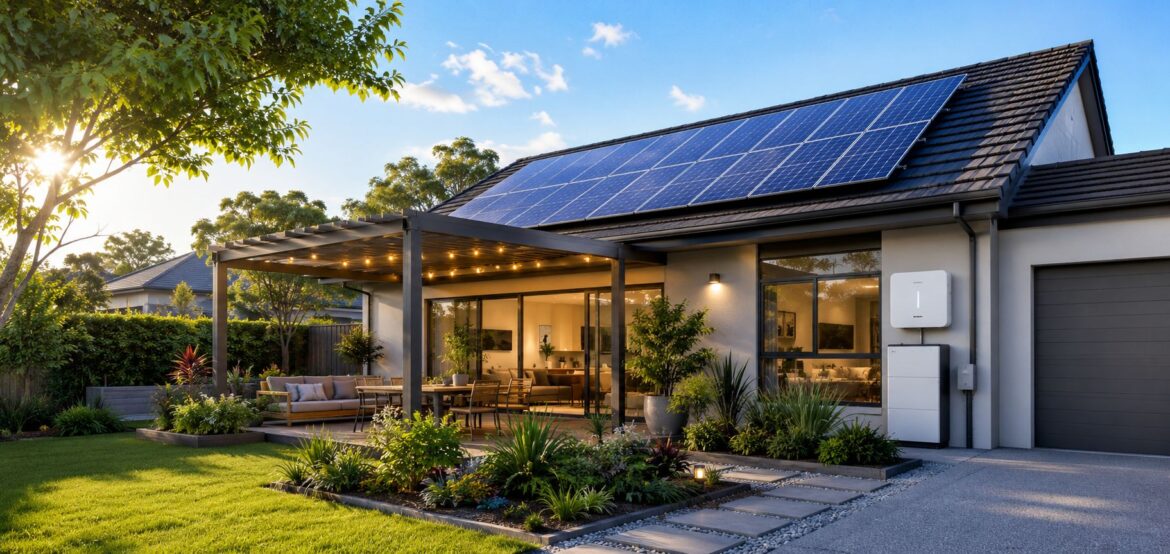
A few years ago, I visited a home that looked polished from the street but felt uncomfortable inside. The rooms became extremely warm by midday, the electricity bills kept climbing, and the outdoor area was rarely used because it offered little protection from the sun. The property did not need a complete rebuild. It needed smarter upgrades that worked together.
Improving a residential property is no longer only about adding visual appeal. Homeowners are placing greater value on energy efficiency, lower operating costs, usable outdoor areas, electrical safety, and long-term resilience. Solar power can sit at the centre of these improvements, supporting household appliances, cooling systems, lighting, electric vehicles, and future technologies.
The best results come from treating the property as one connected system. Roofing, electricity use, shade, insulation, landscaping, and outdoor structures all affect how the home performs. By planning improvements in the right order, homeowners can create a property that feels better to live in while reducing unnecessary energy waste.
Key Takeaways
- Start with an energy audit to understand your home’s electricity usage before investing in major upgrades.
- Prepare your roof and electrical system first to ensure they’re ready for solar installation and future energy needs.
- Reduce energy waste before adding solar by improving insulation, shading, ventilation, and replacing inefficient appliances.
- Choose a solar system based on your household’s usage, not simply the biggest system available.
- Use smart controls and consider battery storage to maximize solar self-consumption and lower electricity bills.
- Plan upgrades in the right order to avoid duplicate work and create a more efficient, comfortable, and future-ready home.
Start With a Residential Energy Review
Before purchasing solar panels or replacing major household systems, review how the property currently uses electricity. A home with inefficient appliances, poor insulation, and uncontrolled heat gain may require a larger solar system than necessary. Reducing waste first can lower the size and cost of the system required.

Begin by examining electricity bills from the past 12 months. Look for seasonal changes, unusually high usage periods, and the difference between daytime and evening consumption. A household that uses most of its power during daylight hours may gain significant value from rooftop solar because more of the generated electricity can be used directly.
A basic energy review should cover:
- Average daily electricity consumption
- Summer and winter usage patterns
- Heating and cooling demands
- Pool pumps, water heaters, and large appliances
- Future electric vehicle charging needs
- Planned additions such as a home office or secondary dwelling
- Areas where electricity is being wasted
This information helps shape a realistic improvement plan. It also prevents homeowners from making isolated upgrades that do not match their daily habits or long-term goals.
Improve Roof Condition Before Installing Solar
The roof is the foundation of a residential solar system. Panels may remain in place for decades, so installing them over damaged tiles, rusted metal, weak supports, or failing waterproofing can create expensive problems later. Roof repairs completed after installation may require panels to be removed and reinstalled.
Check the roof for cracked tiles, corrosion, water entry, loose flashing, blocked drainage, and damaged sections. The roof structure should also be suitable for the additional weight and mounting equipment. Properties with older roofing may benefit from repairs or replacement before the solar installation begins.
Roof orientation and available sunlight also affect system performance. Trees, neighbouring buildings, roof vents, chimneys, and upper-storey structures may cast shade at different times of day. A section that appears sunny in the morning may lose direct sunlight during peak generation hours.
Homeowners can prepare the roof by:
- Repairing leaks and damaged materials
- Clearing gutters and drainage channels
- Checking structural strength
- Identifying shaded roof areas
- Reviewing future extensions or roof alterations
- Allowing space for safe maintenance access
- Planning panel placement around vents and equipment
A sound roof protects both the property and the solar investment. It also reduces the risk of disruptive repair work after the system has been installed.
Work With a Residential Electrician in Sydney for Electrical Planning
Solar panels form only one part of a property’s electrical network. The switchboard, wiring, circuits, protective devices, meter, inverter, and household electrical load must all work together safely. A Residential Electrician in Sydney can assess whether an older home requires upgrades before connecting solar equipment, battery storage, or high-demand appliances.
An electrical inspection may identify outdated wiring, overloaded circuits, damaged components, limited switchboard capacity, and missing safety devices. These issues may not be noticeable during normal daily use, but installing additional electrical equipment can expose weaknesses in an ageing system.
Electrical planning should examine:
- Switchboard condition and available capacity
- Existing circuit protection
- Earthing and bonding
- Inverter connection requirements
- Battery installation options
- Electric vehicle charging capacity
- Future appliance upgrades
- Safe cable routes between the roof and switchboard
A well-designed electrical plan should also allow for future growth. A household may install solar panels today and later add battery storage, an induction cooktop, energy-efficient air conditioning, or an electric vehicle charger. Preparing the electrical system early can reduce repeated work, installation delays, and unexpected costs.
Choose a Solar System Based on Household Behaviour
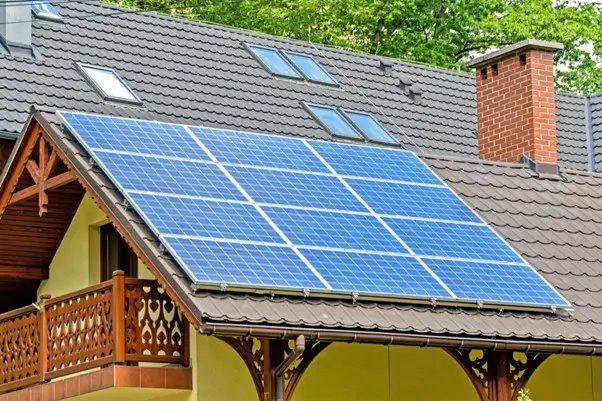
The largest solar system is not automatically the best choice. A well-matched system should reflect how much electricity the household uses, when that electricity is used, how much suitable roof space is available, and whether future energy needs are likely to increase.
Solar generation usually peaks during daylight hours. Households that run appliances, pool equipment, cooling systems, or home office devices during the day may use a larger share of their generated power. Homes that are empty during working hours may export more electricity unless usage is shifted or battery storage is added.
A practical system design may account for:
- Current annual electricity consumption
- Daytime self-consumption opportunities
- Roof direction and pitch
- Shading throughout the year
- Available inverter capacity
- Future battery compatibility
- Electric vehicle charging plans
- Expected household growth
Homeowners can improve self-consumption by scheduling washing machines, dishwashers, pool pumps, and water heating during solar production hours. This simple change allows more of the generated electricity to be used on the property rather than sent back to the grid.
Reduce Heat Before Increasing Cooling Capacity
A home that absorbs large amounts of heat will place a heavy demand on the air conditioner. Installing a larger cooling system may provide temporary relief, but it does not address the source of the problem. Shade, insulation, ventilation, window treatments, and reflective materials can reduce heat entering the building.
Start with the roof and ceiling, where much of the summer heat can enter. Insulation helps slow heat transfer, while roof ventilation can reduce the buildup of trapped hot air. External shade can protect windows and walls before sunlight reaches the glass or building surface.
Useful heat-reduction improvements include:
- Ceiling and wall insulation
- External blinds or awnings
- Window shading
- Reflective roof finishes
- Sealing gaps around doors and windows
- Cross-ventilation
- Ceiling fans
- Deciduous planting near sun-exposed areas
Reducing heat gain can lower cooling demand and allow solar-generated electricity to cover a greater share of household use. It also improves comfort during periods when air conditioning is not running.
Create Solar-Smart Outdoor Areas With Pergolas
Well-designed pergolas can improve outdoor comfort while supporting a broader solar strategy. By providing shade over patios, doors, and windows, an outdoor structure can reduce the amount of direct sunlight reaching the building. This may lower indoor heat gain and make adjoining living areas more comfortable during warmer months.

The structure should be carefully positioned to provide useful shade without blocking valuable sunlight from rooftop panels. Orientation, roof height, slat spacing, surrounding trees, and the path of the sun all affect the final result. A design that works well in summer should also allow suitable natural light during cooler periods.
Outdoor structures may also support energy-saving features such as:
- Solar-powered lighting
- Efficient outdoor fans
- Weather-protected power points
- Smart garden controls
- Rainwater collection
- Shaded seating and dining areas
- Planting zones that cool the surrounding surfaces
When outdoor spaces are comfortable, they become extensions of the home rather than unused areas. This can improve lifestyle value without adding another fully enclosed, mechanically cooled room.
Add Battery Storage When the Usage Pattern Supports It
Battery storage allows surplus solar energy to be used after sunset, during peak electricity periods, or during certain outages when the system is designed for backup operation. However, a battery should be selected based on actual household consumption rather than solely on marketing claims.
Review how much solar energy is exported during the day and how much electricity is purchased in the evening. A household with high daytime self-consumption may have less surplus energy available to store. A home with strong afternoon generation and high evening demand may have a more suitable profile.
Before adding a battery, review:
- Typical evening electricity use
- Daily solar exports
- Battery usable capacity
- Charging and discharging limits
- Backup power requirements
- Location and ventilation needs
- Warranty conditions
- Expected future energy use
Battery storage may also support households planning to charge an electric vehicle or run more electric appliances. The system should be planned as part of the wider electrical network rather than treated as a separate product.
Replace Inefficient Household Equipment
Solar power delivers greater value when the home uses electricity efficiently. Old appliances can consume more energy than newer models, while ageing hot water systems and air conditioners may operate for longer periods to achieve the same result.
Replacement should be prioritised based on energy use, condition, and operating frequency. A rarely used appliance may have little effect on annual consumption, whereas an inefficient hot water system can affect daily electricity use.
High-impact upgrades may include:
- Efficient reverse-cycle air conditioning
- Heat pump water heating
- Induction cooking
- Modern refrigerators and freezers
- Variable-speed pool pumps
- LED lighting
- Smart thermostats
- Timers and load-control devices
Appliance replacement does not need to happen all at once. A staged plan can begin with equipment that uses the most electricity or is nearing the end of its service life. This spreads costs while steadily improving the property’s performance.
Use Smart Controls to Match Consumption With Solar Production
Smart controls can help a household use more electricity when solar generation is available. Timers, connected switches, energy monitors, and automated systems can manage appliances without requiring constant attention.
For example, a pool pump can operate during the middle of the day, a hot water system can heat when panels are producing strongly, and an electric vehicle can begin charging when surplus generation reaches a chosen level. These changes can improve solar self-consumption without altering household comfort.
A simple smart-energy plan may include:
- Scheduling major appliances during daylight
- Monitoring household consumption
- Setting temperature limits for cooling
- Automating outdoor lighting
- Controlling standby power
- Tracking solar generation and exports
- Receiving alerts for unusual energy use
Energy data can reveal patterns that electricity bills often hide. A sudden increase may indicate a failing appliance, a pump running too long, or a cooling system working harder due to an open window or poor insulation.
Improve Landscaping Without Creating Solar Shade
Landscaping can cool outdoor surfaces, reduce glare, provide privacy, and make the property more inviting. However, trees and tall plants should be positioned carefully so they do not shade solar panels as they mature.
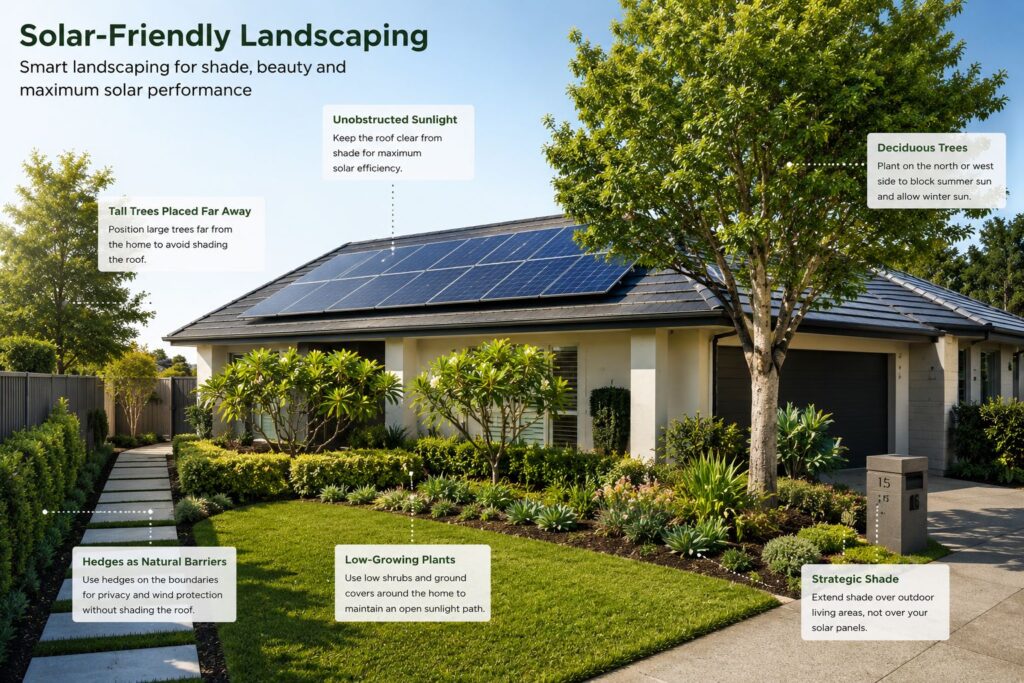
Small amounts of shade can reduce production, particularly when they affect several connected panels. A young tree planted near the home may cause no issues during its first few years but will provide regular afternoon shade once it reaches full height.
Solar-aware landscaping may include:
- Low-growing plants near solar-facing roof areas
- Deciduous trees for seasonal shade
- Permeable surfaces that reduce heat buildup
- Groundcover instead of large paved zones
- Strategic planting near the western walls
- Clear maintenance access around electrical equipment
- Regular pruning plans
The goal is to create a cooler property without reducing solar output. Thoughtful planting can support both energy performance and visual appeal.
Plan Improvements in the Right Order
Residential upgrades often fail to deliver their full value when they are completed in isolation. New solar panels may need to be removed for roof repairs. A battery may be purchased before evening usage is measured. A powerful air conditioner may still be installed even if external shade reduces cooling demand.
A better sequence is to review the property, repair structural issues, reduce energy waste, prepare the electrical system, and then select solar equipment. Outdoor and landscaping improvements can be coordinated so they support shade, comfort, drainage, and solar access.
A practical project order is:
- Review electricity use and household goals.
- Inspect the roof and building condition.
- Check the electrical system.
- Improve insulation, sealing, and shade.
- Select the solar panel and inverter capacity.
- Upgrade high-consumption appliances.
- Add smart controls.
- Review battery storage using real usage data.
- Maintain trees, roofing, and electrical equipment.
This sequence helps reduce duplicate work and keeps each improvement connected to the property’s wider performance.
Frequently Asked Questions
Why should I contact a residential electrician before installing solar?
A residential electrician can inspect the switchboard, wiring, circuit protection, and available electrical capacity before solar equipment is connected. This helps identify ageing components or safety issues that may need correction. An early inspection can also prepare the property for future additions, such as battery storage, electric vehicle charging, induction cooking, or upgraded air conditioning. Electrical planning reduces the chance of unexpected changes during installation and supports safer long-term operation.
Can a residential electrician help reduce household electricity use?
A residential electrician can identify areas where electricity is being wasted and recommend practical controls. These may include timers, efficient lighting, smart switches, dedicated appliance circuits, energy monitoring, or improved control of hot water and pool equipment. The electrician may also detect faulty appliances or overloaded circuits that are contributing to poor performance. Combined with solar generation, these upgrades can help the household use electricity more efficiently throughout the day.
When should a residential electrical system be inspected?
An inspection may be useful when buying an older property, planning solar installation, adding high-demand appliances, renovating, or noticing electrical warning signs. Frequent circuit trips, flickering lights, warm power points, buzzing sounds, burning odours, or damaged wiring should be addressed promptly. Homes with older switchboards may also benefit from a review before installing battery systems or electric vehicle chargers. Regular attention supports safety and helps future improvements proceed more smoothly.
What electrical upgrades may be needed for a solar-ready home?
A solar-ready home may require improvements to the switchboard, modern circuit breakers, safety switches, earthing work, meter changes, or new cable routes. The exact work depends on the property’s age, the planned solar capacity, and the condition of the existing electrical system. Homes preparing for batteries or vehicle charging may also need additional circuits and load-management controls. Planning these upgrades together can reduce repeated labour and support future household needs.
How do I choose a qualified residential electrician?
Look for an electrician with suitable licensing, insurance, relevant residential experience, and knowledge of solar-connected electrical systems. Ask for a clear scope of work, written pricing, warranty information, and details about any switchboard or wiring changes. The electrician should explain findings in plain language and identify which work is required now versus which upgrades may be useful later. Clear communication is often a strong sign of a careful and organised professional.
Build a More Efficient and Comfortable Home
The greatest residential improvements are not always the most visible. A repaired roof, a safer switchboard, a shaded window, an efficient appliance, or a well-timed pool pump may quietly improve comfort and reduce energy use every day.
Start by reviewing how the property currently performs, then create a staged plan that connects solar power with roofing, shade, insulation, electrical capacity, outdoor design, and household habits. Each improvement should support the next, creating a home that is more comfortable, resilient, efficient, and ready for changing energy needs.
Enjoy Worthview?
Add Worthview as a Preferred Source on Google to see more of our stories in Search.

Worthview Editorial Team is the shared byline for content created collaboratively by Worthview’s editors and contributors. Since 2008, we’ve published thousands of articles across technology, AI, finance, health, home, travel, and lifestyle. Our editorial process emphasizes original research, reputable sources, regular content updates, and clear attribution. Articles covering higher-trust topics, including health and finance, may also undergo review by qualified subject-matter experts.