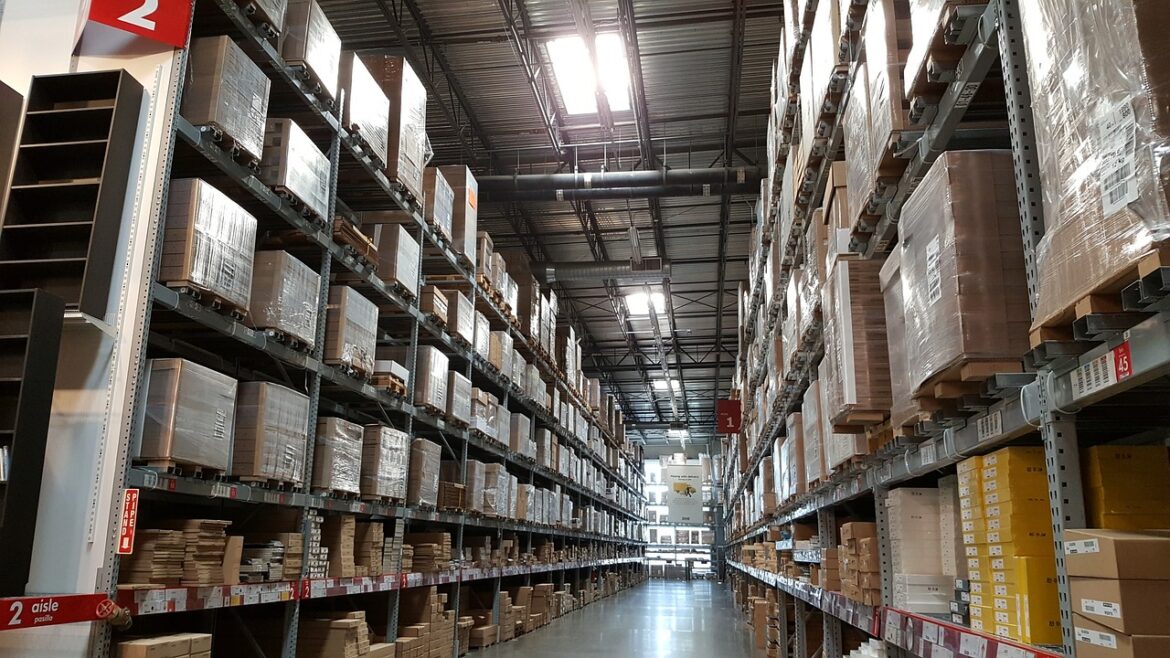
Warehouse management involves more than storing products. Businesses must maintain accurate inventory records, maximize storage space, manage employees, meet regulatory requirements, prepare for emergencies, and coordinate with suppliers. When these processes are inefficient, warehouses can experience higher operating costs, delayed orders, stock shortages, and safety risks.
The six common challenges in warehouse management are inventory management, space optimization, labor management, regulatory compliance, disaster preparedness, and supplier relationship management. Addressing these issues with organized processes, appropriate technology, staff training, and contingency planning can help businesses improve warehouse efficiency and maintain a reliable supply chain.
Key Takeaways
- Inventory management: Use accurate stock records, barcode scanning, and regular cycle counts to reduce inventory discrepancies.
- Space optimization: Organize storage locations strategically to make better use of available space and reduce unnecessary movement.
- Labor management: Balance staffing levels, provide adequate training, and monitor productivity without compromising worker safety.
- Regulatory compliance: Maintain documented procedures and conduct regular safety and compliance checks.
- Disaster preparedness: Develop emergency response and business continuity plans to protect employees, inventory, and operations.
- Supplier relationship management: Set clear delivery expectations, maintain communication, and monitor supplier performance to reduce replenishment delays.
1. Inventory management
One of the most common challenges in managing a warehouse is inventory management. Ensuring an accurate record of every item that enters, is stored, and leaves the warehouse is crucial. However, manual counts can lead to errors, while stock discrepancies can lead to overstock or understock situations. For healthcare facilities, planning a hospital RFID pilot is one way to test whether automated tracking can keep supply and equipment records accurate before a full rollout.
How to overcome inventory management challenges
- Use inventory management software: Maintain centralized, up-to-date inventory records to improve stock visibility and reduce manual errors.
- Implement barcode or RFID scanning: Record incoming, outgoing, and relocated products more accurately.
- Conduct regular cycle counts: Check selected inventory items on a rotating schedule to identify discrepancies before they become larger problems.
- Improve demand forecasting: Use historical sales data, seasonal trends, and current demand to make better purchasing and replenishment decisions.
- Set reorder points: Establish stock thresholds that trigger replenishment before essential products run out.
Combining reliable inventory tracking with regular stock audits helps businesses improve inventory accuracy, reduce waste, and maintain smoother warehouse operations.
For instance, an inaccurate record may show an item as being in stock when, in reality, it has already been sold. This scenario can cause delayed deliveries and dissatisfied customers. For businesses managing multiple operational processes, integrated supply chain and inventory management through an ERP system can improve visibility into stock levels, supplier performance, and replenishment needs.
2. Space optimization
ffective warehouse space optimization involves organizing products according to their size, demand, storage requirements, and picking frequency. A well-planned layout can reduce unnecessary movement, improve accessibility, and help employees locate products faster.
How to overcome warehouse space optimization challenges
- Optimize the warehouse layout: Arrange receiving, storage, picking, packing, and dispatch areas to minimize unnecessary movement and bottlenecks.
- Use vertical storage: Install suitable shelving or pallet racking to make better use of overhead space while maintaining safe access.
- Apply ABC inventory analysis: Place high-demand or frequently picked items in easily accessible locations, while positioning slower-moving products in less prominent areas.
- Review slotting regularly: Reorganize product locations as demand patterns, inventory volumes, and seasonal requirements change.
- Use warehouse management software: Leverage available space and inventory-location data to improve storage planning and product visibility.
- Maintain clear aisles: Keep designated pathways accessible for employees and material-handling equipment to support safe, efficient movement.
Regularly reviewing the warehouse layout and storage strategy helps businesses increase usable capacity, reduce product-handling time, and improve overall warehouse productivity.
3. Labor management
Labor management is a major warehouse management challenge because businesses must balance workforce availability, productivity, operating costs, and employee safety. Inadequate staffing, high employee turnover, insufficient training, and poorly planned work schedules can slow down picking, packing, and shipping operations.
Warehouse workloads can also fluctuate during seasonal peaks, promotional periods, and unexpected increases in order volumes. Without proper workforce planning, businesses may experience backlogs, increased overtime expenses, and a higher risk of workplace accidents.
How to overcome warehouse labor management challenges
- Improve workforce scheduling: Align staffing levels with expected order volumes and seasonal demand to avoid understaffing or unnecessary labor costs.
- Provide regular employee training: Train workers in inventory handling, equipment operation, warehouse procedures, and workplace safety.
- Use warehouse management technology: Automate repetitive tasks where practical and provide employees with clear picking instructions and real-time task information.
- Monitor productivity metrics: Track relevant measures such as picking accuracy, orders processed per labor hour, and order fulfillment time to identify bottlenecks.
- Prioritize employee safety: Maintain clear walkways, enforce equipment safety procedures, and provide appropriate protective equipment.
- Improve employee retention: Set realistic performance expectations, recognize good work, and provide opportunities for skill development.
A balanced approach to staffing, training, technology, and safety can help warehouses improve productivity while controlling labor costs and maintaining a safer working environment.
For example, operating a forklift requires special training, and without it, warehouse operations could potentially be unsafe and inefficient.
4. Regulatory compliance
Regulatory compliance is an important warehouse management challenge because warehouses must follow applicable workplace safety, fire prevention, storage, and industry-specific regulations. Requirements vary depending on the warehouse location, the products being handled, and the nature of the business.
Failure to follow relevant regulations can result in workplace injuries, operational disruptions, financial penalties, and reputational damage. Compliance can become more difficult when regulations change, employees lack proper training, or warehouse procedures are not consistently documented.
How to overcome warehouse compliance challenges
- Stay informed about applicable regulations: Review relevant local laws, industry standards, and safety requirements, particularly when handling hazardous materials, food, or other regulated products.
- Conduct regular safety inspections: Check storage racks, material-handling equipment, fire protection systems, emergency exits, and designated walkways.
- Train warehouse employees: Provide role-specific training on safe material handling, emergency procedures, equipment operation, and required compliance practices.
- Maintain accurate documentation: Keep inspection records, training logs, equipment maintenance reports, and other required compliance documents up to date.
- Establish standard operating procedures: Document essential warehouse processes and review them periodically to reflect operational or regulatory changes.
- Schedule compliance audits: Conduct periodic internal reviews to identify gaps, assign corrective actions, and verify that issues have been resolved.
A proactive compliance program helps warehouses reduce avoidable risks, protect employees, and maintain consistent operations. Businesses should also consult qualified compliance professionals when requirements are complex or industry-specific.
5. Disaster preparedness
Disaster preparedness is a crucial yet often overlooked aspect of warehouse management. Warehouses need to be equipped to handle emergencies like fires, floods, or even pandemics. This includes having appropriate insurance coverage, an effective evacuation plan, and regular safety drills.
How to overcome warehouse disaster preparedness challenges
- Develop an emergency response plan: Define evacuation procedures, emergency contacts, employee responsibilities, and steps for responding to different incidents.
- Protect inventory and equipment: Use appropriate storage methods, maintain fire protection systems, and safeguard sensitive goods against relevant environmental risks.
- Create a business continuity plan: Identify critical warehouse functions and establish alternative procedures, backup facilities, or recovery arrangements where practical.
- Inspect and maintain equipment: Schedule preventive maintenance for electrical systems, material-handling equipment, fire alarms, and other essential infrastructure.
- Train employees and conduct drills: Practice evacuation and emergency procedures regularly so employees understand how to respond safely.
- Maintain backup records: Back up inventory data, supplier information, and essential operational documents so they remain accessible during system failures.
Regular risk assessments and contingency planning help businesses respond more effectively to unexpected events, reduce downtime, and restore warehouse operations more quickly.
A lack of a robust disaster recovery plan could lead to significant losses in the event of a fire.
6. Supplier relationship management
Supplier relationship management is an important warehouse management challenge because warehouse efficiency depends partly on the timely delivery of goods, packaging materials, and other essential supplies. Delayed shipments, inconsistent product quality, inaccurate delivery quantities, and poor communication can disrupt receiving schedules, create inventory shortages, and delay customer orders.
These problems can become more difficult to manage when businesses depend heavily on a single supplier or lack clear procedures for tracking purchase orders and deliveries. Strong supplier relationships and consistent performance monitoring help warehouses reduce uncertainty and maintain a more reliable flow of inventory.
How to overcome supplier relationship management challenges
- Establish clear expectations: Agree on delivery schedules, product specifications, order quantities, quality standards, and communication procedures.
- Monitor supplier performance: Track on-time delivery rates, order accuracy, product quality, and response times to identify recurring problems.
- Maintain regular communication: Share demand forecasts, inventory requirements, and potential schedule changes with suppliers to support better planning.
- Diversify critical suppliers: Identify alternative suppliers for essential products where feasible to reduce dependence on a single source.
- Use procurement and inventory systems: Connect purchasing information with inventory records to improve visibility into incoming shipments and replenishment needs.
- Review supplier relationships regularly: Discuss performance issues, resolve disputes promptly, and agree on corrective actions when delivery or quality standards are not met.
Effective supplier relationship management helps businesses improve inventory availability, reduce receiving disruptions, and coordinate warehouse activities more efficiently. Regular performance reviews and contingency planning can also strengthen supply chain resilience.
A dispute over payment terms could, for instance, lead to a supplier withholding deliveries, resulting in stockouts and lost sales.
Overcoming challenges doesn’t have to be impossible
Managing a warehouse involves navigating through a labyrinth of challenges. From inventory and space management to labor management, technological adaptations, regulatory adherence, disaster preparedness, and supplier relationship management, each aspect plays a vital role in the functioning of a successful warehouse.
Acknowledging these challenges and devising plans to tackle them, you can streamline your warehouse operations, increase efficiency, and take your business to remarkable new heights. Every obstacle presents an opportunity for growth. With the proper approach, your warehouse could become an indispensable asset within your supply chain.
Frequently Asked Questions
What are the six common challenges in warehouse management?
The six common warehouse management challenges are inventory management, space optimization, labor management, regulatory compliance, disaster preparedness, and supplier relationship management. Each can affect warehouse productivity, operating costs, inventory availability, and order fulfillment.
How can businesses improve warehouse efficiency?
Businesses can improve warehouse efficiency by optimizing storage layouts, using warehouse management software, maintaining accurate inventory records, training employees, and monitoring operational performance. Regularly reviewing picking accuracy, order processing time, and inventory discrepancies can help identify areas for improvement.
What is the role of technology in warehouse management?
Technology helps warehouse teams track inventory, manage storage locations, process orders, and monitor warehouse activities. Tools such as warehouse management systems (WMS), barcode scanners, RFID technology, and automated material-handling equipment can improve visibility and reduce manual errors when implemented appropriately.
How can warehouses reduce inventory errors?
Warehouses can reduce inventory errors by using barcode or RFID scanning, updating stock records promptly, conducting regular cycle counts, and establishing consistent receiving and dispatch procedures. Investigating recurring discrepancies can also help prevent the same errors from happening again.
Why is warehouse space optimization important?
Warehouse space optimization helps businesses use available storage capacity more effectively, reduce unnecessary product movement, and improve access to frequently picked items. A well-organized layout can also support safer working conditions and faster order fulfillment.
How can warehouse managers reduce labor costs without affecting productivity?
Warehouse managers can control labor costs by aligning staffing with demand, improving employee training, reducing unnecessary movement, and using technology to simplify repetitive tasks. Productivity measures should be balanced with employee safety, workload sustainability, and order accuracy.
How can warehouses prepare for unexpected disruptions?
Warehouses can prepare for disruptions by developing emergency response and business continuity plans, maintaining essential equipment, backing up operational data, training employees, and identifying alternative suppliers or recovery arrangements where appropriate.
Enjoy Worthview?
Add Worthview as a Preferred Source on Google to see more of our stories in Search.

Worthview Editorial Team is the shared byline for content created collaboratively by Worthview’s editors and contributors. Since 2008, we’ve published thousands of articles across technology, AI, finance, health, home, travel, and lifestyle. Our editorial process emphasizes original research, reputable sources, regular content updates, and clear attribution. Articles covering higher-trust topics, including health and finance, may also undergo review by qualified subject-matter experts.