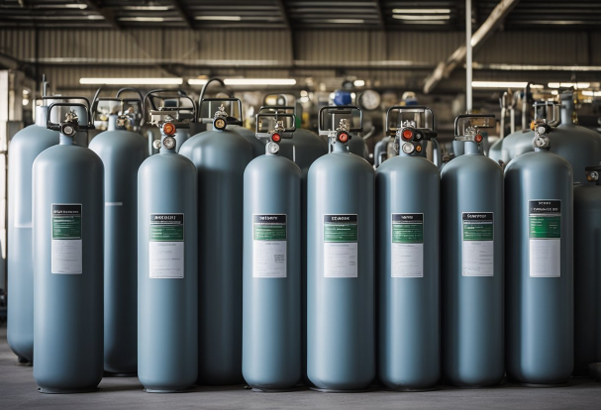
Gas cylinders are used to safely store and transport compressed, liquefied, or dissolved gases for homes, hospitals, industries, laboratories, restaurants, and welding operations. While many people are familiar with LPG cylinders used for cooking, there are numerous other types—including oxygen, nitrogen, acetylene, carbon dioxide, helium, and medical gas cylinders—each designed for specific applications and strict safety standards.
This guide explains the different types of gas cylinders, their uses, identification methods, common sizes, safety precautions, and frequently asked questions to help homeowners, professionals, and businesses choose the right cylinder safely.
Key Takeaways
- Gas cylinders are classified based on the gas they store and their intended application.
- LPG cylinders are used for domestic and commercial cooking.
- Oxygen cylinders are widely used in hospitals and industrial cutting.
- Nitrogen cylinders provide inert gas for laboratories and manufacturing.
- Acetylene cylinders are primarily used in welding.
- Cylinder color alone should never be used to identify the gas—always read the label.
- Proper storage, transportation, and regular inspections significantly reduce accident risks.
Types and Uses
There are four main types of gas cylinders:
Type 1 is all-metal, usually made from steel or aluminum. These are common in welding and construction due to their durability.
Type 2 cylinders have a metal liner with a composite wrap, offering a balance of weight and strength. They are often used in medical settings for gases like oxygen.
Type 3, fully composite with a metal liner, and Type 4, fully composite with a non-metallic liner, are lighter and used in high-pressure applications. Type 4 is common in industries that use gases like hydrogen and helium.
Material and Construction
Gas cylinders can be constructed from various materials. Steel cylinders are durable and corrosion-resistant, making them ideal for high-stress environments. Aluminum cylinders are lightweight yet strong, often chosen for their portability and ease of handling.
Composite materials, such as carbon fiber, are used for their high tensile strength and low weight. These composite cylinders are particularly valuable in applications that require both durability and ease of transport, like aviation and emergency services.
Each material used in cylinder construction ensures the safe storage and transportation of gases like argon, butane, and acetylene.
Pressure and Capacity
Gas cylinders are designed to withstand specific pressure levels and capacities based on their intended use. Low-pressure cylinders typically store gases for applications like heating or welding. High-pressure cylinders are used when storing gases like nitrogen and carbon dioxide at higher pressures.
Storage capacity is another crucial factor. Larger cylinders store more gas and are used in industrial applications, while smaller cylinders are used in medical and scientific fields, where portability is essential.
Understanding the correlation between pressure capacity and material construction is key for selecting the right cylinder for tasks involving different gases.
Gas Cylinder Safety and Regulations
Ensuring gas cylinder safety involves proper handling, storage, and regular inspection to prevent accidents. Compliance with regulations set by OSHA and the United States Department of Transportation is crucial.
Handling and Transportation
When handling gas cylinders, always keep them upright. Secure cylinders with straps or chains. Never attempt to lift a cylinder by its valve or pressure relief device. Use a cylinder cart for transportation and ensure cylinders are capped during transit to prevent accidental release.
Only trained personnel should handle gas cylinders. Make sure to avoid rough handling, dropping, or striking cylinders, as this can cause damage or leaks. For a comprehensive guide on handling specific gas types, learn more about what is fast gas.
Storage Guidelines
Store gas cylinders in well-ventilated areas away from heat and ignition sources. Cylinders should be kept in a vertical position and secured with safety straps or chains. Separate full cylinders from empty ones and use appropriate placards to identify gas types.
Keep storage areas dry to avoid corrosion. Do not store cylinders in enclosed or subsurface areas. Follow guidelines set by OSHA and the United States Department of Transportation for optimal safety.
Inspection and Maintenance
Regular inspection and maintenance of gas cylinders are necessary. Check for signs of wear, corrosion, and leaks. Ensure that pressure relief devices and valves are functioning correctly. Medical gas cylinders need extra attention due to their critical use.
Document each inspection and adhere to requalification periods as mandated by regulations. Replace cylinders that fail inspection to maintain safety standards.
Frequently Asked Questions
Understanding various gas cylinders is crucial for safe and efficient usage in different applications, especially in cooking. This section answers common questions related to types, connections, sizes, and characteristics of gas cylinders.
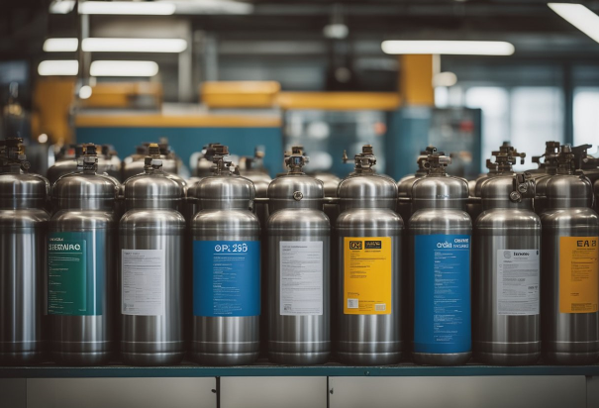
What are the common types of gas cylinders used in cooking?
The most common types of gas cylinders used in cooking are propane and butane cylinders. Propane is typically used for outdoor grilling and camping due to its ability to maintain pressure in cold temperatures. Butane is often used for indoor cooking and small portable stoves.
How do different gas cylinder connections vary?
Gas cylinder connections can vary based on the type of gas and the region. Common connections include the POL fitting, used with larger propane cylinders, and the CGA fittings, which are standard in the U.S. Some countries use specific connectors, so it’s essential to use the correct one for safety and compatibility.
Can you list the typical sizes of gas cylinders available?
Gas cylinders come in various sizes to suit different needs. Common sizes include 5 kg and 15 kg for household use, and larger sizes like 45 kg for commercial purposes. Smaller cylinders, such as 1 kg and 2 kg, are often used for portable stoves and camping.
What are the characteristics of LPG gas cylinders?
LPG (Liquefied Petroleum Gas) cylinders are known for their portability and high energy content. They are made of durable materials like steel or aluminum. LPG cylinders have safety features such as pressure relief valves and are designed to handle high pressures to safely contain gases like propane and butane.
How to determine the best gas cylinder for domestic use?
To choose the best gas cylinder for domestic use, consider the type of cooking appliance, frequency of use, and storage space. Smaller cylinders (5-15 kg) are typically sufficient for regular household cooking. Ensure compatibility with your cooking appliance’s connection type and check for safety certifications.
What types of gases are commonly contained in household cylinders for cooking?
Household gas cylinders primarily contain propane or butane. Propane is favored for its performance in cold weather, while butane is preferred for indoor use due to its higher boiling point. Both gases are efficient for cooking and provide consistent heat.
Enjoy Worthview?
Add Worthview as a Preferred Source on Google to see more of our stories in Search.

Worthview Editorial Team is the shared byline for content created collaboratively by Worthview’s editors and contributors. Since 2008, we’ve published thousands of articles across technology, AI, finance, health, home, travel, and lifestyle. Our editorial process emphasizes original research, reputable sources, regular content updates, and clear attribution. Articles covering higher-trust topics, including health and finance, may also undergo review by qualified subject-matter experts.