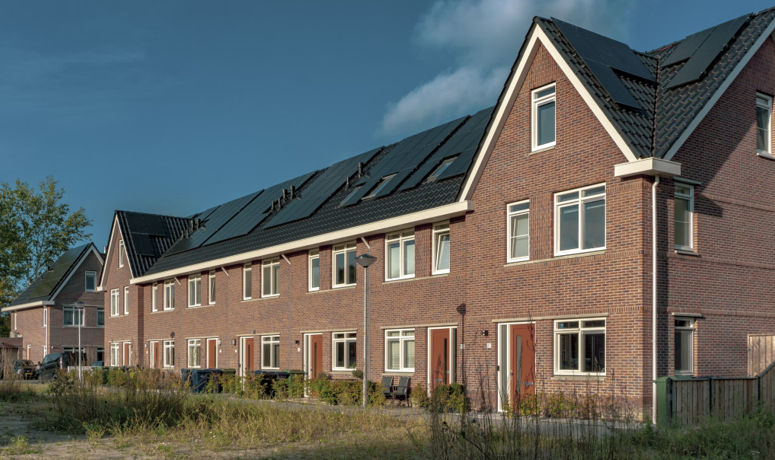
Constructing a home with energy-saving features helps homeowners reduce expenses.
How we view residential energy sources has changed fundamentally because of solar technology adoption. The essential element has developed beyond the basic step of attaching solar panels to your roof. Contemporary solar integration connects smart home construction with natural environmental synergy to achieve maximum efficiency.
The solar capacity in the U.S. reached almost 50 gigawatts in 2024 showing a growth of 21% from the previous year. The significant growth originates from powerful foundational factors.
Here’s what makes this exciting:
- Solar system-equipped properties sell faster and reach top sales prices
- Energy bills can drop to nearly zero
- Your home’s value increases significantly
If you’re thinking about selling your property quickly, energy-efficient features like solar can help you sell your house fast in Omaha and other competitive markets. Purchasers today seek homes that feature updated energy systems and reduced operating costs.
What you’ll discover:
- The Solar Revolution Is Here
- Smart Solar Design Integration
- Energy Storage: The Game Changer You Can’t Ignore
- Cost-Effective Efficiency Upgrades That Actually Pay Off
The Solar Revolution Is Here (And It’s Bigger Than You Think)
Solar technology has undergone major transformation during the past five years.
Here’s what’s changed: Technological improvements soared as prices dropped significantly. Due to advancements in solar energy technology, more than 7.3 million homes in the United States have used solar power to operate by 2025. Predictions show that solar power will power 36% of residential buildings across the U.S.
That’s not just a trend. The way residential power systems function today shows total transformation from their previous state.
Most people still have antiquated views about solar power systems. Many people incorrectly think solar power uses only rooftop panels. The reality? Today’s energy-efficient home construction begins with solar power integration which allows all systems to function together without breaks.
The house operates like a personal power station that produces, stores and manages energy autonomously. Eliminate concerns about peak electricity periods or unexpected high bills. The house creates value throughout its lifespan which offsets its expenses.
Smart Solar Design Integration (The Right Way)
The optimal energy efficiency in homes demands design strategies that incorporate solar power solutions. Building orientation and roof angles require consideration alongside window placement and landscaping before you install solar panels.
Here’s how smart integration works:
Modern solar design solutions depend on the architectural structure of your house. Roofs facing south with slopes from 30 to 45 degrees create the basis for successful solar panel installations. During panel installation you need to consider daily shading patterns and seasonal sun movement together with your roof’s structural capacity to support panels.
The secret sauce? Power optimizers and micro-inverters enable each solar panel to operate at its best performance level. Modern solar installations maximize panel efficiency to ensure shaded panels do not diminish overall system performance.
Integrating a smart home system allows your solar system to interact directly with your home appliances. The dishwasher starts its cycle at maximum sunlight intensity while the electric vehicle charges during high electricity production periods and the water heater preserves energy for later use.
Energy Storage: The Game Changer You Can’t Ignore
Many people incorrectly assume solar panels alone can solve all solar energy needs. They’re not. Solar power potential becomes fully realized when smart energy storage systems work alongside solar panels. Without energy storage systems users stay grid-dependent during cloudy weather and night time.
With it? You become truly energy independent.
Battery technology has undergone significant development during recent years. Modern lithium-ion storage systems deliver enough energy capacity to keep your home powered independently across several days. These advanced battery systems require minimal maintenance unlike old lead-acid batteries and deliver power for 15 to 20 years.
Smart storage systems provide advanced energy management features in addition to their basic storage capabilities. Smart storage systems possess the capability to identify peak electricity rates together with peak solar power generation times. The system completes automated electricity transactions to maximize your savings.
Your panels generate more power than your consumption whenever the sun shines brightly. Your solar battery system retains surplus solar power instead of sending it back to the utility company where you would receive only minimal payment. During nighttime peak rate periods when utility costs peak you activate battery-held solar energy instead of buying expensive grid power.
Cost-Effective Efficiency Upgrades That Actually Pay Off
Learn effective methods to maximize your solar panel investment benefits.
You don’t have to buy expensive solar panels to maximize your solar investment. Home efficiency improvements should be your priority as they allow you to operate with fewer solar panels. Smart efficiency improvements result in a 30-50% decrease in energy requirements before adding solar installations.
These upgrades provide the greatest return on investment for your money.
Transitioning to LED lighting throughout your home allows electricity consumption to decrease by up to 80% relative to standard bulbs. Smart thermostats automatically regulate home temperatures according to your personal schedule and preferences to minimize wasted energy. High-efficiency heat pump systems provide both heating and cooling capabilities with only half the energy consumption of traditional systems.
Hidden upgrades provide real benefits. Implementing proper insulation and air sealing techniques reduces heating and cooling expenses by 40%. Poor air sealing turns many homes into leaky sieves causing HVAC systems to work beyond their standard performance limits.
Window upgrades deserve special mention. Modern triple-pane windows with low-E coatings decrease heat loss by 70% compared to single-pane windows.
The beauty of efficiency upgrades? Efficiency improvements provide immediate financial benefits before your solar system becomes functional.
Future-Proofing Your Solar Investment
Solar installation companies often neglect to provide their customers with important information.
The solar industry is moving fast. New developments mean today’s advanced technology will likely become outdated in five years. But that doesn’t mean you should wait. The installation must be scalable to ensure adjustments according to technological progress.
Smart future-proofing starts with thinking modular. Modern solar installations use mounting systems that enable future expansion of panel placement. Your electrical panel needs extra space to accommodate upcoming electrical needs including electric vehicles and heat pumps.
Making It All Work Together
Success in solar home design comes from understanding how integrated systems work together.
Solar home design success requires developing interconnected systems that function seamlessly together. Solar panels interface with a battery system that communicates data to smart home controls to regulate appliances and HVAC systems.
Using an all-in-one strategy results in outcomes that appear as if by magic. The extra solar power produced allows automatic preheating of water and interior precooling ahead of peak rate times while also enabling surplus energy sales to the grid when prices are highest.
Taking Action Now
Energy-efficient solar home design serves more purposes than simply decreasing electricity costs. We aim to construct residential properties that ensure comfort and preserve value while preparing for future demands.
The ideal time to integrate solar technology with efficiency improvements has arrived. Solar technology now functions reliably even as its prices have reached new record lows.
Bringing It All Together
Solar technology integration in energy-efficient homes requires innovative approaches to home functionality. The highest level of intelligent design demands early-stage integration of all essential components.
Homeowners who achieve maximum benefits think about their house as a complete energy system. Homes can generate more energy than they need by combining solar panels with batteries and efficient appliances alongside smart controls.
The system functions independently after proper configuration. Your home develops intelligent energy management capabilities when it automatically optimizes comfort levels alongside cost efficiency and environmental benefits.
Enjoy Worthview?
Add Worthview as a Preferred Source on Google to see more of our stories in Search.

Worthview Editorial Team is the shared byline for content created collaboratively by Worthview’s editors and contributors. Since 2008, we’ve published thousands of articles across technology, AI, finance, health, home, travel, and lifestyle. Our editorial process emphasizes original research, reputable sources, regular content updates, and clear attribution. Articles covering higher-trust topics, including health and finance, may also undergo review by qualified subject-matter experts.