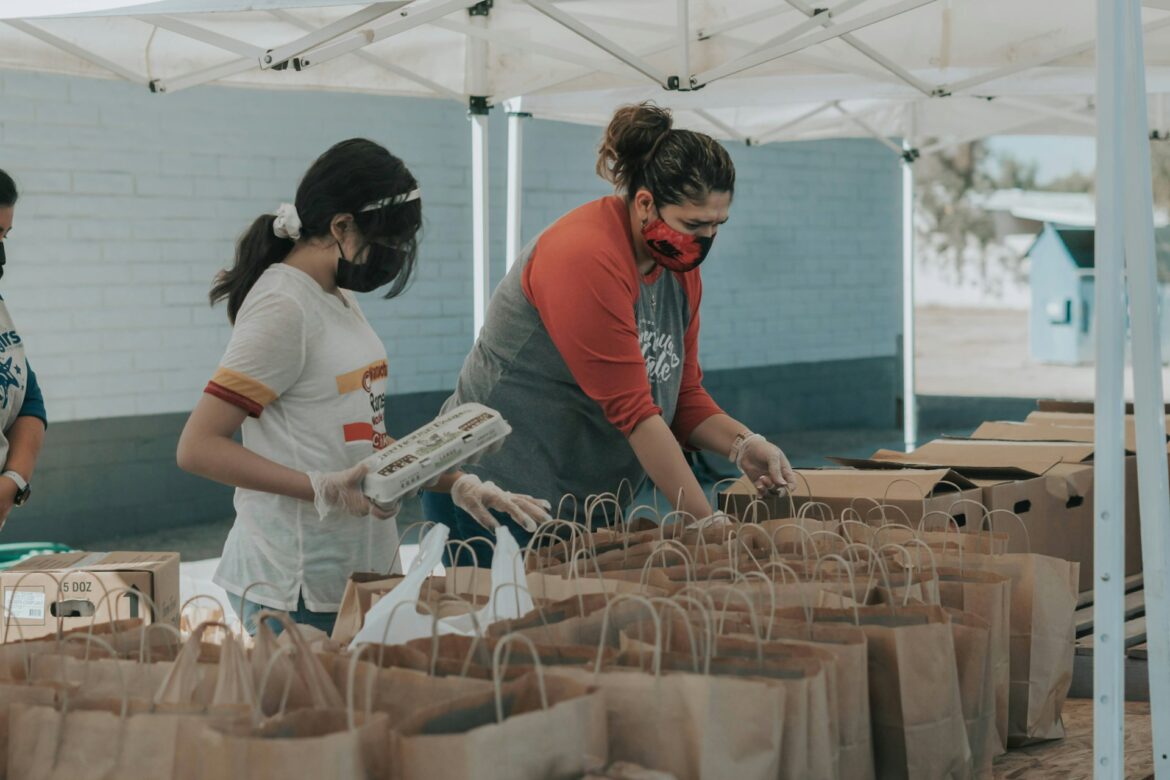
A guest trips over a cable during a charity dinner. A volunteer drops a table during setup. Someone eats contaminated food at a charity BBQ.
So who is liable when things go wrong at your charity event?
It can vary in Canada. Depending on the situation it can fall on the charity, volunteer, venue or another third party. In some cases it may even be split.
Who Can Be Responsible for an Accident?
Let’s say you are running a dinner for your charity at a hired hall. You have volunteers who are helping and you arrange the seating. The hall owner owns the building. You may hire a 3rd party catering company.
All these parties have some level of control. So if someone trips on a broken stair who would be liable? Or if someone becomes ill after eating contaminated food?
Your charity could be questioned about how you organized and instructed your volunteers. The hall owner may be responsible for defects in their building. The caterer could be found liable if there was an issue with their food. And volunteers could be held liable for their own actions.
You may think that if you have a contract with the hall everything is covered, but it’s not that simple. Your contracts may outline different obligations, but laws also apply. This will vary province to province.
One tip is to have a conversation with all parties that have control over the risk at your event. For instance, who will be responsible for keeping the front door safe, cleaning up spills, knowing the maximum number of people that can be at your event, addressing grievances etc. Once you identify a risk, who has the ability to correct the risk.
Do Charitable Purposes Change Liability Rules?
Charitable purposes are what a charity hopes to accomplish. Some examples include the relief of poverty, advancement of education, religion etc. They will not exempt your charity from liability when running an event.
There is also a difference between being recognized as a registered charity and having a separate legal structure. For people considering registering a charity, it helps to understand that Canada Revenue Agency registration and incorporation are distinct processes.
If you do incorporate your organization, you may find some benefits from separating your liabilities. But it will not shield you from your own tortious conduct as a director/volunteer.
Just because you are a registered charity does not mean you have insurance to run your events.
When Can a Volunteer Be Personally Liable?
Just because a volunteer is unpaid, they do not have immunity from being sued. Volunteers owe the same duty of care to ensure they do not injure others as other individuals.
This issue extends beyond event volunteers as well. According to Statistics Canada, among Canadians aged 15 and older, 32% volunteered formally in 2023. This can be through a charity or any non-profit organization.
Say a volunteer is helping park cars at your event and they see a vehicle coming. Without looking, the volunteer directs the vehicle forward and hits a pedestrian. The authorities may look into the volunteer’s actions, what instructions were given by the organizer and how the organizer directed the flow of traffic.
Generally, to succeed in a claim for negligence, the plaintiff will have to prove duty, breach, damage and causation. Whether the harm was reasonably foreseeable also matters.
An organization may face liability for its own decisions and, in some cases, for a volunteer acting within assigned duties.
Each province has legislation. Alberta’s Freedom to Care Act, for example, offers qualifying volunteers protection when acting in good faith within their duties, subject to statutory conditions and exceptions. There are some exceptions, such as acts of gross negligence or if a person causes harm while operating a motor vehicle. Always be aware of what protections exist in your jurisdiction.
Spot the Risks Before Guests Arrive
There are many ways a risk can occur at your event, so make sure you walk the premises before your event begins.
Things to consider are:
- Slips and falls: Are there loose cords, wet floors, unsafe stairs or blocked walkways?
- Food, make sure all your meals are handled safely and you have information about any allergens
- Kids, are your kids activities safe, properly supervised and can parents easily retrieve their child?
- Cars, are you providing parking and what measures did you take to ensure guests don’t hit others when entering/exiting
- Large amounts of people, ensure you have enough space and are careful when lifting/heavy work is being done
After identifying your risks, create a mitigation strategy for each risk. Perhaps tape down the cord, create a parking lane, have your kids separated from guests and have a plan for pickup times.
Also, make sure your volunteers know what they are capable of. If someone is selling raffle tickets, do not expect them to know how to operate equipment that another volunteer was supposed to be handling.
Lastly, you want to designate a safety officer, advise your volunteers how to address a risk, make sure they are aware of where to get first aid, where the exit is, and document anything you do before your event takes place. Always remember that you want a risk management plan that you can follow when the time comes.
What Insurance May Cover
While having insurance is great, you want to know what your coverage includes and does not include.
Commercial general liability insurance may cover certain claims involving bodily injury or property damage, depending on the policy. However, depending on your policy, it may not include events you host. You may want to ask your insurance provider about additional event insurance.
Directors and officers insurance addresses different risks and is not a substitute for event liability coverage.
Ask your broker before your event if you are covered for a certain location, volunteers, or third party vendors. If you will be serving alcohol, driving a vehicle, etc you want to disclose these risks to your broker. You never want to assume what your insurance covers, always read the fine print.
What if the injured person was your volunteer? You may want to look into accident insurance and if there are any Workers Comp coverage for your volunteers. Also, what if they were injured in their personal vehicle? They may be able to file against their auto insurance provider.
Having a waiver will not always protect you, so always take precaution.
What to Do When Something Goes Wrong
The first thing you want to do if something happens is ensure your injured party is safe and no one else is harmed.
Once that has been accomplished:
- Clear the hazard, make sure you have someone with knowledge on first aid available and call EMS if needed
- Notify your event manager, inform your insurance provider as soon as possible
- Document what happened, where, when, who and what you did. Take pictures of the hazard and obtain witness information, if possible.
- Do not speculate who is to blame, if possible speak to a local lawyer to see what steps you should take.
Document everything you can and keep it in a private location, away from group chats with sensitive information. Always remember to review your near misses, as well as accidents, to make sure you don’t fall prey to the same hazard the next time.
One Last Thing
As you can see, there are many people who can be held liable for injuries that happen at your charity event. Always remember, just because you are a charity or volunteer does not exempt you from taking reasonable care.
Identify who is in control of each risk, assign volunteers what they know and speak to your broker about insurance. These are all things you can do to minimize your liability before your event even begins.
Enjoy Worthview?
Add Worthview as a Preferred Source on Google to see more of our stories in Search.
Worthview Editorial Team is the shared byline for content created collaboratively by Worthview’s editors and contributors. Since 2008, we’ve published thousands of articles across technology, AI, finance, health, home, travel, and lifestyle. Our editorial process emphasizes original research, reputable sources, regular content updates, and clear attribution. Articles covering higher-trust topics, including health and finance, may also undergo review by qualified subject-matter experts.