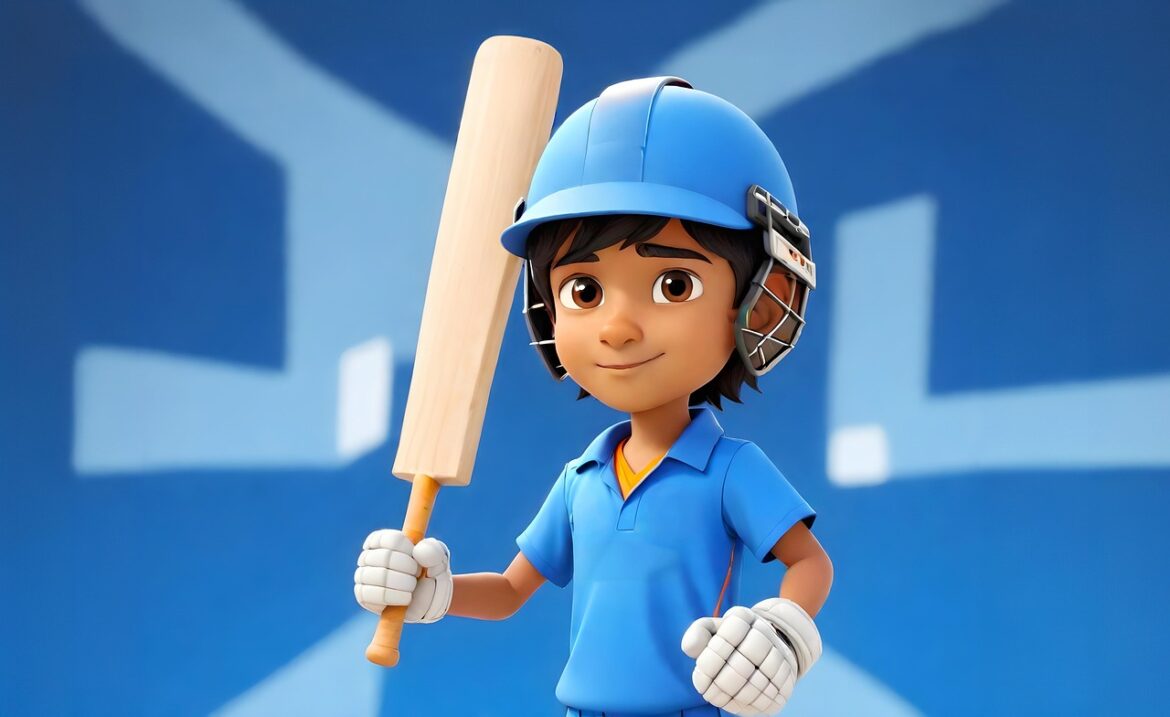
Cricket apparel has to do more than look good. Players need clothing that handles heat, movement, sweat, long innings, fielding pressure, and quick changes in weather. Fans need outfits that feel comfortable through hours of watching, walking, cheering, and sitting outdoors.
The right cricket clothing depends on how it will be used. A match jersey, training shirt, spectator outfit, and travel kit all serve different purposes.
Good apparel should support comfort, identity, and performance without distracting from the game.
Start With the Playing Conditions
Cricket is often played in heat, sun, humidity, wind, and changing light. Clothing should be chosen around those conditions first.
For players, breathable fabric matters. Heavy cotton can hold sweat and become uncomfortable during long sessions. Lightweight polyester blends and moisture-wicking fabrics usually perform better because they dry faster and allow easier movement.
For fans, comfort is just as important. A full day at the ground can mean sun exposure, long walks, crowded seating, and limited shade.
Before choosing a match outfit, check the weather, venue rules, seating area, and expected length of play.
Choose Jerseys That Move Well
A cricket jersey should allow a full range of motion. Batters need shoulder freedom for drives, cuts, pulls, and defensive shots. Bowlers need movement through the arms, back, and torso. Fielders need flexibility for diving, throwing, sprinting, and bending.
A jersey that pulls across the shoulders or rides up during movement will quickly become a problem.
For clubs, school teams, local leagues, and fan groups, custom cricket jerseys can help create a consistent look while allowing teams to choose colors, names, numbers, and design details that fit their identity.
The fit should be athletic but not restrictive. Cricket involves long periods of movement and waiting, so comfort over time matters.
Pick Fabric for Heat and Sweat Control
Fabric choice affects performance more than many players realize. A good cricket shirt should manage moisture, reduce cling, and stay comfortable during extended play.
Moisture-wicking fabric moves sweat away from the skin. Mesh panels or ventilation zones can help with airflow. Stretch fabric can improve freedom of movement during bowling, batting, and fielding.
White or lighter colors are common in traditional formats because they reflect heat better than dark colors.
Limited-overs and casual cricket may allow stronger colors, but heat management should still be considered.
Get the Fit Right
Fit affects comfort, appearance, and performance. Clothing that is too tight can restrict bowling action or batting movement. Clothing that is too loose can flap, bunch, or catch during fielding.
Players should test apparel before match day. Raise both arms. Rotate the shoulders. Practice a bowling motion. Bend, squat, and sprint.
Fit Checks for Players
Before choosing cricket apparel, check:
- Shoulder movement
- Sleeve comfort
- Chest and back flexibility
- Waistband security
- Length when bending
- Fabric stretch
- Collar comfort
- Breathability during movement
If the clothing feels restrictive during warm-up, it will feel worse during play.
Layer for Changing Weather
Cricket days can start cool, become hot, and finish breezy. Players and fans should plan layers that can be added or removed easily.
A lightweight training jacket, vest, or pullover works well for warm-ups, breaks, and travel. Fans may need a hoodie, cap, or rain shell depending on the venue.
Avoid bulky layers that limit movement or become difficult to carry.
For players, outer layers should not interfere with batting gloves, pads, or fielding drills.
Do Not Ignore Trousers and Shorts
Cricket bottoms need to handle running, sliding, bending, and long periods of standing. Traditional cricket trousers should be light, flexible, and breathable.
Training shorts are useful for practice, gym sessions, and warm-weather drills. Match rules may determine what is allowed during competition.
Waistbands should stay secure without digging in. Pockets should not interfere with movement or equipment.
For fans, shorts, joggers, chinos, or lightweight trousers can all work depending on weather and venue style.
Comfort matters because cricket is not a quick event.
Choose the Right Footwear
Footwear should match the surface. Cricket shoes need grip, support, and stability. Bowlers, batters, and fielders may need slightly different footwear depending on role and pitch conditions.
Spikes may be useful on grass surfaces, but they are not always suitable for indoor or casual games.
Fans should choose shoes for walking and standing. Stadiums, club grounds, and outdoor venues often involve grass, concrete, steps, and uneven paths.
Footwear Priorities
Look for:
- Good grip
- Arch support
- Cushioning
- Breathability
- Secure fit
- Surface-appropriate soles
- Weather resistance if needed
New shoes should be broken in before a long match day.
Use Accessories With Purpose
Cricket accessories should solve practical problems. Caps and wide-brim hats help with sun exposure. Sunglasses reduce glare. Sweatbands can help players keep hands dry. Compression sleeves may support comfort for some athletes.
Fans should consider sunscreen, hats, sunglasses, and a light outer layer.
Do not overload the outfit with unnecessary accessories. The best cricket style is functional and clean.
Keep Team Identity Clear
Cricket apparel often carries strong team identity. Colors, logos, player names, numbers, and sponsor placements all need to be readable.
A clean design usually works better than a crowded one. Too many graphics can make jerseys look messy and harder to recognize from a distance.
For fan groups, matching jerseys, caps, or shirts can make the group feel connected without requiring everyone to dress identically from head to toe.
For more casual cricket events, watch parties, club fundraisers, or training days, custom t-shirts can give supporters and volunteers a coordinated look without needing full match-style apparel.
Care for Cricket Apparel Properly
Performance fabrics last longer when washed correctly. Sweat, grass stains, sunscreen, and dirt can break down fabric over time.
Wash jerseys inside out. Use cold or warm water depending on the care label. Avoid heavy fabric softeners on moisture-wicking materials because they can reduce performance.
Air drying is often better than high heat.
Remove stains quickly, especially on white match clothing.
Final Thoughts
Cricket apparel should support the way the game is played and watched. Players need breathable fabrics, proper fit, strong movement, and surface-appropriate footwear. Fans need comfort, sun protection, and clothing that works for long days outdoors.
Good cricket style is not complicated. It is practical, comfortable, and clearly connected to the team or occasion.
When apparel works well, players can focus on performance and fans can enjoy the match without thinking about what they are wearing.
Enjoy Worthview?
Add Worthview as a Preferred Source on Google to see more of our stories in Search.

Worthview Editorial Team is the shared byline for content created collaboratively by Worthview’s editors and contributors. Since 2008, we’ve published thousands of articles across technology, AI, finance, health, home, travel, and lifestyle. Our editorial process emphasizes original research, reputable sources, regular content updates, and clear attribution. Articles covering higher-trust topics, including health and finance, may also undergo review by qualified subject-matter experts.