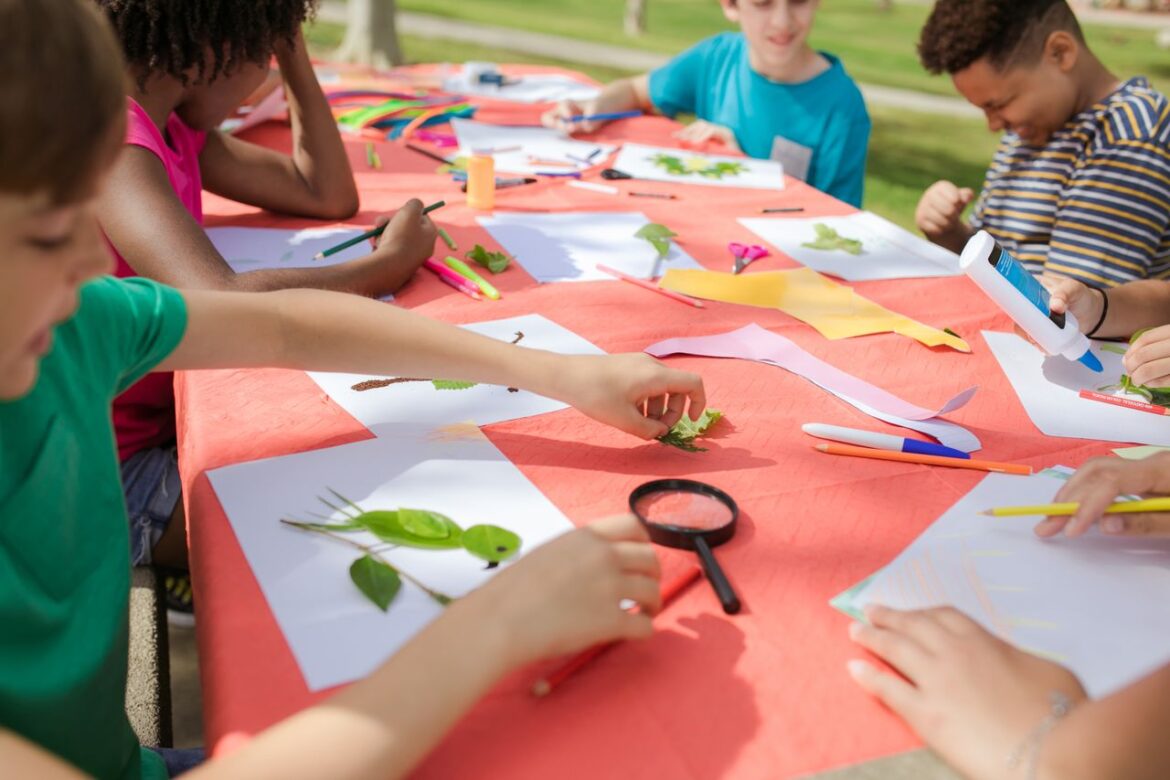
Getting a kid off a tablet and out the back door on a nice Saturday can feel like negotiating a hostage release. There is bargaining. There is a short performance about how boring the yard is. Then there is a kid standing in the grass looking personally wronged.
Fifteen minutes later, that same kid is elbow-deep in a mud puddle and does not want to come in for lunch.
Most parents have watched this exact sequence play out. Researchers have been paying attention to it too, and what they are finding lines up with what you already suspected while watching your kid forget to be mad.
Photo Credit: RDNE Stock project | Pexels
The Outdoors as an Anecdote to the Modern World
As parents, we know the outdoors can have a positive impact on our kids, and there’s research to back that up. A 2024 study followed more than 500 schoolchildren in Quebec whose classes spent two hours a week outside in a natural setting. Three months in, teachers said the biggest changes showed up in the students who had been struggling the most with anxiety, impulsivity, or getting along with classmates. Those students came back to the classroom calmer and better able to focus.
Researchers call this “attention restoration,” and the short explanation is that the sharp, effortful focus a screen demands wears the brain out, while the loose, drifting attention we use outdoors gives it a chance to recover. A child on a tablet is spending. A child dragging a stick through a creek is refilling.
The good news for anyone whose idea of wilderness is the green space two streets over: This does not require a national park or a free weekend. Short stretches count.
What It Looks Like in a Family That Thrives Outside
Josh and Sarah Bowmar have built their family life around this philosophy more deliberately than most. The couple behind Bowmar Nutrition is known for their fitness and wellness enterprises, but at home, their goal is pretty ordinary. They want their kids growing up outside.
While they don’t necessarily frame that as a rule about screens, Sarah recommends offering plenty of outside activities. When being outside is the default, the phone or computer stops being the main event.
In practice, that looks like chores with animals, unstructured time in the yard, and teaching their kids skills like archery and fishing—they started early, and they emphasize safety. Archery, a sport the Bowmars are known for, has in fact become a growing favorite in outdoor-oriented families, and once you watch a kid do it, you understand why. It calls for real focus, rewards patience instead of speed, and lets children see themselves improving without anybody having to hand out a badge for it.
Josh’s philosophy has always been that confidence comes from doing something hard and watching yourself get better at it. The outdoors is full of those opportunities; the key is that parents just have to be okay with their child being a little uncomfortable and a little bored sometimes.
That word, “bored,” tends to make parents twitch. But boredom is where the good stuff starts. A backyard with nothing planned to do in it turns into a fort or a game or an expedition, usually within 10 minutes of complaining. A screen offers up constant stimulation but leaves a child nothing to build with.
The confidence Josh is describing is also backed by research. A 2025 review of 40 studies on risky outdoor play found steady links to resilience, confidence, and lower anxiety, with a child’s own sense of being in charge doing a lot of the work. Kids grow when they get to make the calls and feel the stakes, and there is no shortage of that outside.
Think Balance, Not a Ban
This is not an argument for raising your kids off the grid. Technology is not going anywhere, and honestly, you wouldn’t want it to. What most families are after is a healthier relationship with it, and a few small structures set in place to that effect can go a long way.
Phreedom Foundation, started by pediatric endocrinologist Dr. Nidhi Gupta, works with families on exactly that. Its suggestions are refreshingly manageable. For example, protect the beginning and the end of the day by keeping mornings and the hour before bed screen-free, so the day does not open and close with a glowing rectangle. Make going outside a “free time” thing that just happens after school rather than an assignment that feels like a punishment. And be honest about your own habits, because kids absolutely notice the parent scrolling at the dinner table.
Start Small
If a camping trip sounds like a lot right now, skip it. Families who commit to a more outdoorsy lifestyle rarely make it stick by starting big. Instead, they start with 15 minutes in the yard after dinner throwing a Frisbee or skipping stones at a nearby creek on a Saturday morning or taking a walk without headphones on Sunday afternoon.
At first, your kids will grumble. Kids grumble about everything. But somewhere around the third or fourth time, they’ll stop asking where the tablet is and you’ll get a version of that mud puddle moment again. That’s really all anyone is going for here. Not a childhood without screens, just one with enough other good things in it that screens don’t get to run the show.
Enjoy Worthview?
Add Worthview as a Preferred Source on Google to see more of our stories in Search.

Worthview Editorial Team is the shared byline for content created collaboratively by Worthview’s editors and contributors. Since 2008, we’ve published thousands of articles across technology, AI, finance, health, home, travel, and lifestyle. Our editorial process emphasizes original research, reputable sources, regular content updates, and clear attribution. Articles covering higher-trust topics, including health and finance, may also undergo review by qualified subject-matter experts.