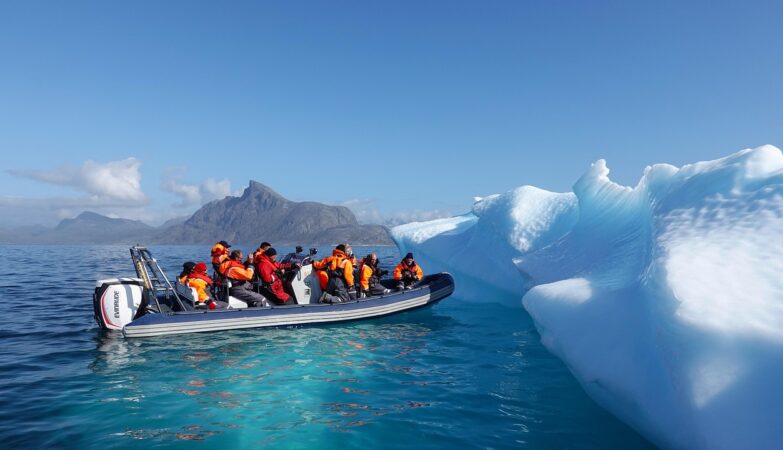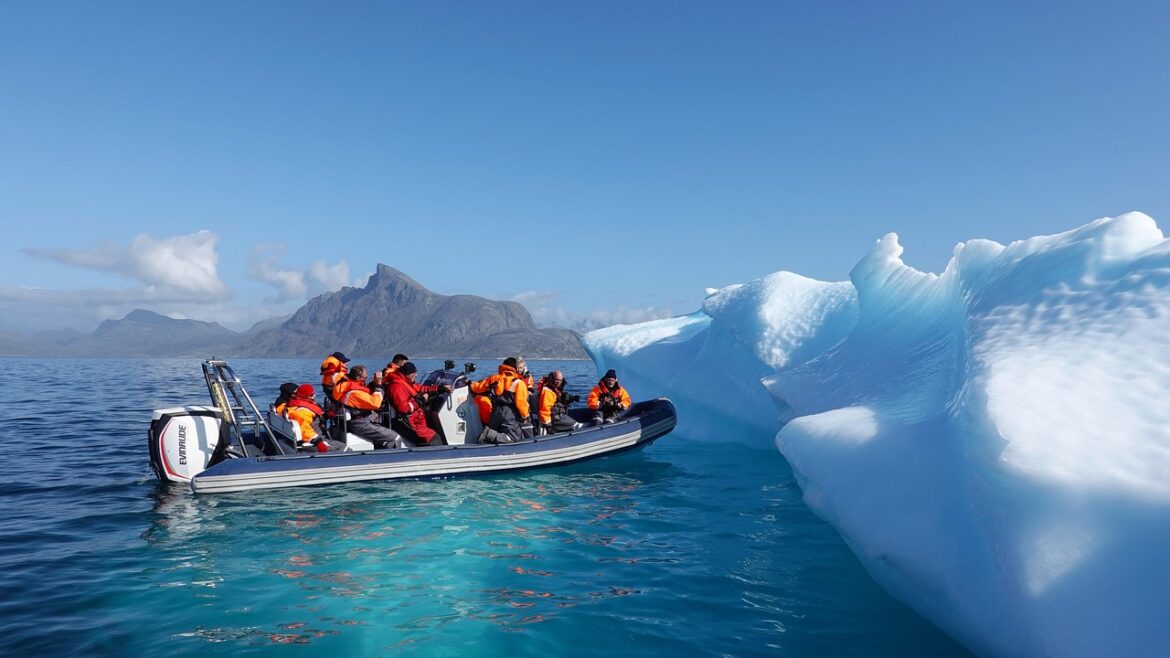
A first expedition trip looks nothing like a standard vacation, and the gap between expectation and reality catches a lot of first-timers off guard. Whether the destination is Antarctica, the Galápagos, or a remote stretch of coastline reachable only by ship, the logistics, pacing, and mindset required are different from a resort stay or a guided city tour. Knowing what’s coming ahead of time makes the difference between spending the trip adjusting and spending it actually engaged with the place.
Key Takeaways
- Expect the itinerary to change. Weather, sea conditions, wildlife activity, and local conditions can affect landings and excursions, so flexibility is essential.
- Build basic stamina before you leave. You don’t need to be an athlete, but regular walking, good balance, and the ability to handle uneven terrain can make excursions much easier.
- Pack for changing conditions. Layers, waterproof clothing, appropriate footwear, and dry bags are often more useful than packing a large quantity of regular clothes.
- Prepare for limited connectivity. Wi-Fi may be slow or unavailable in remote areas, so download entertainment, maps, and important documents before departure.
- Make the educational program part of the trip. Lectures and conversations with naturalists, scientists, historians, and local experts provide context that can significantly enrich shore excursions.
- Plan for seasickness before boarding. Open-water crossings can be rough even for experienced travelers. Discuss suitable motion-sickness options with a healthcare professional before departure.
- Budget beyond the advertised fare. Flights, insurance, gear rental, gratuities, and optional activities can substantially increase the final cost of an expedition.
- Expect a different daily rhythm. Early mornings, shared spaces, flexible schedules, and last-minute changes are normal parts of expedition travel—and often become part of the adventure.
Weather Dictates the Schedule, Not the Itinerary
Printed itineraries on expedition trips are best-guess documents, not contracts. Landings, hikes, and zodiac excursions depend on wind speed, sea ice conditions, and visibility, all of which can shift within hours. Expedition staff will often announce plan changes over the ship’s intercom the morning of, sometimes the moment of.
This isn’t a flaw in planning; it’s how responsible operators keep guests safe in unpredictable environments. Travelers who arrive expecting flexibility tend to enjoy themselves far more than those fixated on a specific stop. Build in mental slack the same way you’d pack an extra layer of clothing.
Physical Preparation Matters More Than You’d Think
Most expeditions don’t require athletic conditioning, but they do require basic stamina and balance. Zodiac boarding involves stepping from a moving platform into a small boat, often in choppy water. Shore landings can mean wet feet, uneven rock, or a scramble up loose gravel.
Walking for an hour or two over rough terrain, sometimes at altitude or in cold wind, is common on a typical excursion day. Spending a few weeks before departure on regular walks or light strength training pays off more than any gear purchase. Guides can assist with balance, but they can’t substitute for basic fitness.
Packing Light Is Impossible, and That’s Fine
Expedition packing lists run long: waterproof pants, insulated boots, multiple base layers, dry bags, sun protection, and often a designated expedition parka provided by the operator. Layering systems matter more than any single heavy item, since temperatures can swing 20 degrees between morning fog and afternoon sun.
Cabin storage on expedition vessels is typically tighter than on standard cruise ships, so soft-sided duffel bags are usually a better choice than hard suitcases. Checking the specific packing list from the operator, rather than relying on general travel advice, saves space and money. Renting boots or parkas through the operator is common practice and often cheaper than buying gear used once.
Connectivity Will Be Limited or Nonexistent
Satellite internet exists on many expedition ships now, but it’s often slow, expensive, and unreliable in remote regions. Anyone expecting to work remotely or stay reachable in real time should set expectations with colleagues and family before departure.
This disconnection is often cited by returning travelers as an unexpected highlight rather than a hardship. Downloading offline maps, podcasts, and reading material in advance makes the gap easier to manage. Treating limited connectivity as part of the experience, rather than an inconvenience to route around, changes the whole tone of the trip.
The Learning Component Is Not Optional
Expedition trips are built around onboard lecture programs covering geology, wildlife biology, history, or indigenous culture specific to the region. These aren’t optional add-ons tucked into slow afternoons; they’re often the reason the landings make sense once you’re on shore. Skipping them means missing context that turns a random rock formation into a 400-million-year-old story.
Expedition staff on these trips are typically working scientists, naturalists, or historians, not just tour guides. Asking questions directly during meals or on deck often produces better insight than the formal lectures themselves. Arctic expedition trips in particular tend to draw staff with decades of polar research experience, and tapping into that knowledge is part of what makes the cost worthwhile.
Seasickness Preparation Should Start Before Boarding
Open-water crossings, like the Drake Passage between South America and Antarctica, can involve two full days of rough seas. Even experienced sailors sometimes underestimate these crossings. Motion sickness medication works far better when taken before symptoms start, not after.
Scopolamine patches, over-the-counter options like meclizine, and ginger supplements are common choices among repeat expedition travelers. Booking a cabin in the middle of the ship, lower down, reduces motion compared to cabins at the bow or upper decks. Packing medication in a carry-on rather than checked luggage avoids scrambling for it mid-crossing.
Costs Extend Beyond the Ticket Price
The advertised price of an expedition trip usually covers accommodation, meals, and shore excursions, but not flights to the embarkation port, travel insurance, gear rental, gratuities, or optional activities like kayaking and diving add-ons. These extras can add 15 to 30 percent to the total trip cost.
Travel insurance deserves particular attention, since standard policies often exclude remote evacuation coverage. Specialized expedition insurance, which covers helicopter or ship evacuation from areas without nearby hospitals, is worth the additional premium. Budgeting for these line items ahead of time avoids unpleasant surprises during final payment.
Expedition travel rewards those who show up prepared but stay loose about the details. The itinerary will change, the weather won’t cooperate on someone’s schedule, and the best moments often happen because of that unpredictability rather than despite it. Pack well, train a little, and leave room for the trip to unfold on its own terms.
This is an important expedition-specific reality that isn’t adequately covered elsewhere. Expedition travelers often have early briefings, unpredictable excursion windows, communal dining/social spaces, and less control over daily schedules than on conventional vacations.
Frequently Asked Questions
Are expedition trips suitable for first-time travelers?
Yes. You don’t need previous expedition experience to join an expedition trip. Most operators provide safety briefings, equipment guidance, and experienced expedition staff. The main adjustment for first-timers is being comfortable with changing schedules, variable weather, and a more active style of travel.
How physically fit do you need to be for an expedition trip?
Most expedition trips don’t require high-level athletic fitness, but basic stamina, balance, and mobility are important. You may need to walk on uneven terrain, climb into and out of small boats, or spend several hours outdoors in changing weather. Check the operator’s specific activity and mobility requirements before booking.
What should you pack for a first expedition trip?
Pack according to the operator’s specific requirements, but expect to need multiple layers, waterproof clothing, suitable footwear, sun protection, and a small day bag or dry bag. Soft-sided luggage is generally more practical because expedition cabins can have limited storage.
Can weather change an expedition itinerary?
Yes. Weather and environmental conditions can change where and when a ship can land or conduct excursions. Expedition operators typically build flexibility into their schedules and may change plans at short notice for safety or better wildlife-viewing opportunities.
How can I prepare for seasickness on an expedition trip?
Prepare before departure rather than waiting until you feel sick. Talk to a doctor or pharmacist about motion-sickness options that are appropriate for you, and follow the operator’s guidance. Choosing a cabin closer to the ship’s center and on a lower deck can also reduce the sensation of movement.
Is Wi-Fi available on expedition ships?
Many expedition ships offer satellite internet, but connectivity can be slower, less reliable, or more expensive than what you’re used to on land. Download important documents, entertainment, maps, and other offline content before leaving port.
Are expedition trips more expensive than regular vacations?
They can be. In addition to the advertised fare, travelers may need to budget for flights, travel insurance, gear rental, gratuities, and optional activities such as kayaking or diving. Comparing the total expected cost rather than the headline price gives you a more realistic budget.
Are expedition trips worth it for first-time travelers?
For travelers who enjoy nature, wildlife, exploration, and learning, an expedition trip can offer a very different experience from a conventional vacation. The biggest factor is expectations: expedition travel involves less predictability and more flexibility, but those uncertainties are often part of the appeal.
Enjoy Worthview?
Add Worthview as a Preferred Source on Google to see more of our stories in Search.
Worthview Editorial Team is the shared byline for content created collaboratively by Worthview’s editors and contributors. Since 2008, we’ve published thousands of articles across technology, AI, finance, health, home, travel, and lifestyle. Our editorial process emphasizes original research, reputable sources, regular content updates, and clear attribution. Articles covering higher-trust topics, including health and finance, may also undergo review by qualified subject-matter experts.