If you’re wondering how much pipe relining costs, there isn’t one fixed price. The total cost depends on factors such as the length and diameter of the damaged pipe, its condition, accessibility, and the amount of preparation required before the liner can be installed.
Pipe problems have a way of sounding expensive before you even know what’s wrong. A slow drain becomes a blockage, a blockage becomes a camera inspection, and suddenly someone’s explaining tree root intrusion, cracked pipes or collapsed sections while you’re wondering how much of your garden, driveway or bathroom might need to be dug up.
That’s usually the moment people start searching for answers to questions like how much does pipe relining cost? It’s a fair question, but the honest answer is that the cost can vary quite a bit depending on the pipe, the damage and the access involved. The good news is that pipe relining can often be a less disruptive option than traditional excavation, which is why it’s worth understanding before you make a decision.
What Pipe Relining Actually Does
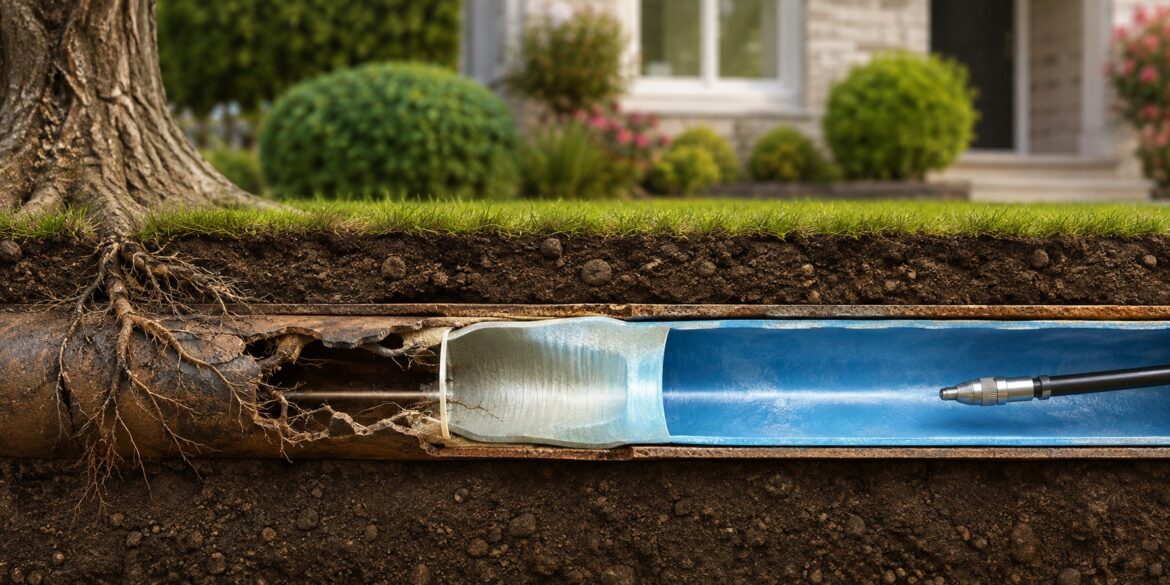
Pipe relining is a way of repairing damaged pipes from the inside. Instead of digging up the old pipe and replacing it completely, technicians insert a resin-coated liner into the affected section. Once it’s positioned correctly, the liner hardens and forms a new pipe within the old one.
That’s the basic idea, but the job still needs careful preparation. The pipe usually has to be inspected with a camera first, then cleaned so the liner can bond properly. If there are roots, debris, heavy scale or other blockages, those need to be dealt with before relining can happen. This preparation is one reason two jobs that sound similar on the surface can end up with different price tags.
Relining can be used for a range of drainage and sewer issues, including cracks, leaks, root-damaged sections and ageing pipework. It’s especially appealing when the damaged pipe runs under landscaping, concrete, paving, driveways or parts of the home that would be difficult or costly to excavate.
Why Costs Can Vary
The length of pipe being relined is one of the most obvious cost factors. A short damaged section will usually cost less than a longer stretch, although minimum job costs may still apply. The diameter of the pipe also matters because larger pipes require more material and can involve different equipment.
Access is another major factor. If the pipe is easy to reach and inspect, the job may be more straightforward. If access points are limited, buried, damaged or awkwardly positioned, more time and preparation may be needed. The condition of the pipe also plays a role. A pipe with minor cracks is a very different job from one with severe root intrusion, heavy blockages or sections that have started to collapse.
Then there’s the question of bends, junctions and pipe layout. A simple straight section is generally easier to line than a more complex run with multiple changes in direction. Some jobs may also require patch repairs rather than a full-length liner, depending on where the damage is and how extensive it is.
It’s Not Just About the Upfront Price
When comparing pipe relining with traditional replacement, it’s worth looking beyond the quoted repair cost alone. Digging can create extra expenses that aren’t always obvious at first. If a pipe runs under a driveway, tiled area, established garden or concrete path, excavation may mean paying not only for plumbing work, but also for reinstatement afterwards.
That can include replacing paving, repairing landscaping, fixing concrete, restoring flooring or dealing with general disruption around the property. In some cases, the less invasive nature of pipe relining can make it more attractive even if the initial quote isn’t the cheapest number on paper.
There’s also the practical inconvenience to think about. Nobody wants their front yard turned into a trench unless it’s absolutely necessary. Relining can often reduce mess, noise and downtime, which can be a big relief for households trying to keep life moving while repairs are underway.
Get the Pipe Properly Assessed
The best way to budget for pipe relining is to start with a proper inspection. Guesswork doesn’t help much when the damaged pipe is underground, hidden behind walls or sitting beneath hard surfaces. A camera inspection can show what’s happening inside the pipe and help determine whether relining is suitable.
It’s also worth asking what’s included in the quote. Does it cover cleaning? Camera inspection? Root removal? The relining itself? Any follow-up inspection? Are there possible extra costs if the pipe condition is worse than expected? Clear answers upfront make it easier to compare options properly.
A good provider should be able to explain why they’re recommending a particular repair method, not just hand over a figure. Sometimes relining will be the right option. Sometimes excavation or replacement may still be necessary, especially if the pipe has collapsed badly or lost its shape.
A Smarter Way to Plan for Pipe Repairs
Pipe repairs aren’t the most exciting thing to spend money on, but they’re the kind of job you don’t want to ignore. Small drainage problems can become larger ones, and waiting too long can reduce the number of repair options available.
If you’re budgeting for pipe relining, focus on the condition of the pipe, the access, the length of the repair and the total disruption involved. The cheapest option isn’t always the best value, especially if it creates extra repair work around the property.
A clear inspection, a detailed quote and a practical understanding of what’s involved can make the whole process feel far less stressful. And when the repair happens without unnecessary digging, that can be a very welcome bonus.
Frequently Asked Questions About Pipe Relining
How much does pipe relining cost?
There is no single fixed cost for pipe relining. The price depends on factors such as the length and diameter of the pipe, its condition, accessibility, and the preparation required before the liner can be installed. A proper inspection is the best way to determine the likely cost.
What factors affect the cost of pipe relining?
Several factors can influence the price, including the length and diameter of the pipe, access to the damaged section, the condition of the pipe, the amount of cleaning required, and the complexity of the pipe layout. Bends, junctions, root intrusion, heavy blockages and damaged sections can all affect the work involved.
Is pipe relining cheaper than traditional pipe replacement?
Not necessarily. The initial quote for relining may not always be the lowest. However, traditional excavation can create additional costs for repairing driveways, paving, concrete, flooring or landscaping after the pipe has been accessed. These costs should be considered when comparing the two options.
Does pipe relining require digging?
One of the main advantages of pipe relining is that the damaged pipe can often be repaired from the inside, reducing the need for extensive excavation. This can be particularly useful when pipes run beneath gardens, driveways, concrete, paving or parts of a home.
How do I know if my pipe is suitable for relining?
A camera inspection can help determine the condition of the pipe and whether relining is suitable. Pipes with severe collapse or significant loss of shape may require excavation or replacement instead.
What happens before a pipe is relined?
The pipe is generally inspected with a camera and cleaned before the liner is installed. Roots, debris, heavy scale and other blockages may need to be removed first so the liner can bond properly.
Can tree root damage be repaired with pipe relining?
Pipe relining can be used for sections of pipe affected by tree root intrusion. However, the roots and other blockages generally need to be dealt with before the liner is installed.
Is pipe relining suitable for every damaged pipe?
No. Relining is not the right solution for every situation. If a pipe has collapsed badly or has lost its shape, excavation and replacement may still be necessary. The condition and layout of the pipe should be assessed before choosing a repair method.
What should I ask before accepting a pipe relining quote?
Ask what is included in the quoted price, including the camera inspection, pipe cleaning, root removal, relining and any follow-up inspection. It is also worth asking whether additional costs could arise if the condition of the pipe is worse than initially expected.
Enjoy Worthview?
Add Worthview as a Preferred Source on Google to see more of our stories in Search.

Worthview Editorial Team is the shared byline for content created collaboratively by Worthview’s editors and contributors. Since 2008, we’ve published thousands of articles across technology, AI, finance, health, home, travel, and lifestyle. Our editorial process emphasizes original research, reputable sources, regular content updates, and clear attribution. Articles covering higher-trust topics, including health and finance, may also undergo review by qualified subject-matter experts.