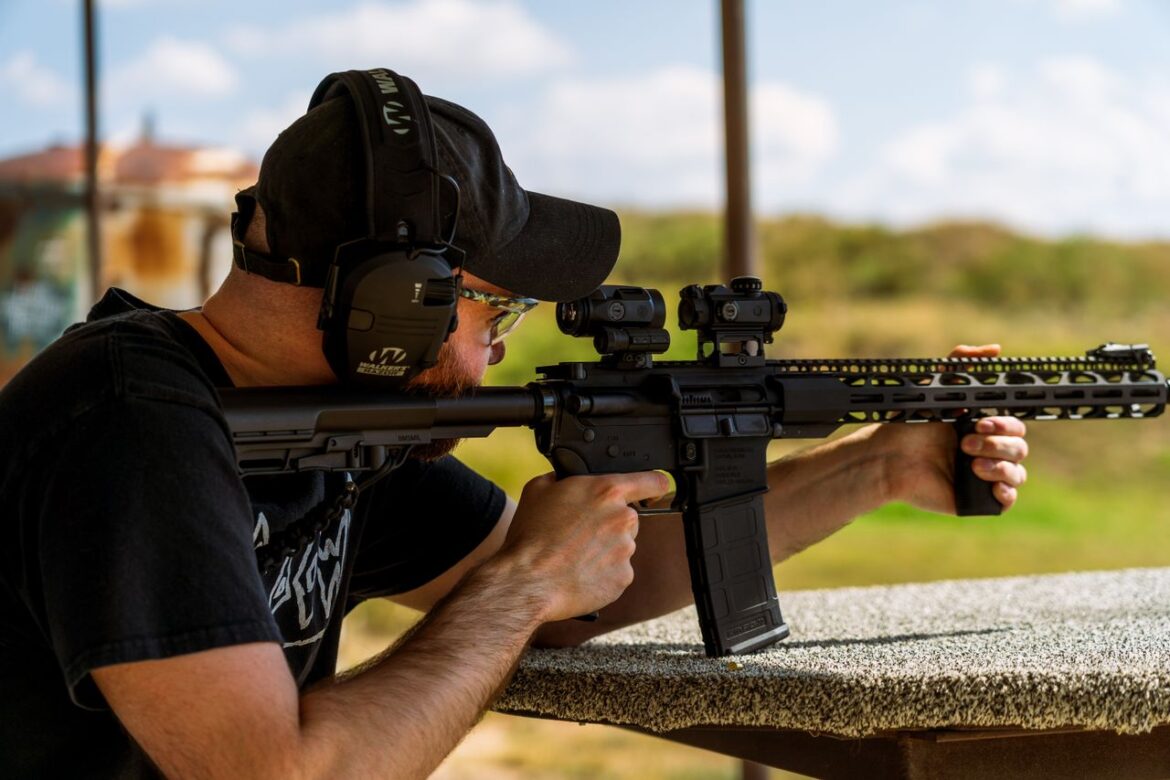
Weekend range days should be fun…
Not stressful on the wallet.
The truth is ammo isn’t cheap, neither is gear and time wasted is time lost. 9 times out of 10, shooters leave the line empty handed and with no true way of knowing if they improved.
Good news?
With just a little planning, it doesn’t have to be that way. Follow these tips and you’ll get more bang for your buck every time you visit the range.
What’s covered:
- Why Weekend Range Days Get Expensive
- Green Tip 5.56 Ammo And Practice Loads Explained
- 6x Ways To Make Range Time More Productive
- Simple Ways To Cut Costs Without Cutting Corners
Why Weekend Range Days Get Expensive
Shooting is not a cheap hobby. That’s just a fact.
Shooting sports participation has also boomed in recent years. According to NSSF figures, sport shooting participation jumped from 34 million shooters to over 63.5 million adult participants from 2009 to 2022. More people at the range create more demand. More demand equals more expensive prices at the counter.
Then throw in:
- Range fees
- Fresh targets
- Cleaning supplies
- Fuel to and from the range
…and the total for one Saturday morning can easily hit $100 or more.
The other big issue? Wasted rounds.
Most shooters just show up to the range and chamber a round, spray, pray and never learn from it. That’s how you take a 200 round afternoon to a 500 round afternoon with nothing accomplished.
Green Tip 5.56 Ammo And Practice Loads Explained
If you shoot an AR-15, selecting proper training ammunition can be one of the biggest factors in controlling costs.
Green tip 5.56 ammo (aka M855) fires a 62 grain steel core projectile that was designed for military use. It is readily available, reliable cycling, and effective punching paper or ringing steel targets at the range. The Green tip color also allows it to be easily identified in a big pile of loose rounds.
Here’s the thing though…
Green tip 5.56 ammo is not always the lowest cost option for high volume weekend warriors. Traditional 55 grain FMJ practice rounds (ie. M193) will typically cost less per round and function just as reliably through most rifles. If you’re a shooter that plans to shoot 500+ rounds on a weekend, purchasing bulk 223 ammo by the case can reduce your cost per round by 20-30%. That adds up to some serious cash in a year’s time.
Things to consider before you bulk up on green tip 5.56’s:
- Most indoor ranges ban steel-core rounds
- It can damage certain steel target plates
- Not every rifle groups well with the 62-grain load
Always CALL THE RANGE before you head out. You can waste an entire Saturday driving 40 miles with a trunk full of M855 if you don’t.
6x Range Day Tips That Actually Work
Now to the good stuff.
Here are tips advanced shooters use to improve while breaking the bank. Choose a couple and put them to use this weekend.
Show Up With A Plan
The biggest waste of ammo at any range? No plan.
Write down your goal for the day before you load your first mag. It could be:
- Zeroing a new optic
- Working on trigger control
- Practicing shots from different positions
- Testing groupings with a new load
Targets ensure focus and eliminate the wasteful “spray and pray” mentality that chews through boxes of ammunition quicker than anything else. They also provide something to compare with on your next outing.
Buy Ammo In Bulk
Bulk purchasing is one of the simplest methods of saving money. Right now, online market trends have brass-cased 5.56 practice loads averaging around $0.55 per round among the biggest retailers, but buying by the case will get you a much lower price per round.
Some quick bulk tips:
- Grab a full 1,000-round case at once
- Split a case with a shooting buddy to spread the cost
- Watch for holiday sales like Black Friday, Memorial Day and 4th of July
Keep it in a cool dry place. Wet ammo is wasted money.
Bring The Right Gear (And Nothing Extra)
Everyone knows that one guy at range who pulls up with three range bags FULL of gear he’ll never use. Don’t be that guy.
A solid basic range setup should cover:
- Eye and ear protection
- A quality shooting mat
- Targets and a staple gun
- Basic cleaning kit
- Water and snacks
Avoid gadgets. Use only equipment you will use. Every item you bring is another item that can be lost, dropped, or placed on a filthy workbench.
Practice Real Drills
Shooting paper out at 25 yards is enjoyable for maybe 10 minutes. After that you’re just burning ammo.
Try structured drills instead. A few solid options:
- Dot torture drills for pistol
- Failure-to-stop drills
- Position changes (standing to kneeling to prone)
- Timed reloads
They teach you real skill. Each drill has meaning. This is how you improve without firing 1,000 rounds each weekend.
Track Every Session
Carry a small notebook or use a notebook app on your phone. Jot down the details:
- Rounds fired
- Drills practiced
- What worked and what didn’t
- Group sizes at various distances
Sessions allow you to see trends over time. Are your groups improving? Is that new trigger really making a difference? Your shooting log can tell you the answers to these questions objectively.
Dry Fire At Home
Here’s the biggest money-saver on this list: dry fire practice.
Dry fire costs nothing. Zero. It’s the best way to work on:
- Trigger pull
- Sight picture
- Draw stroke
- Reloads
Dry fire for 10-15 minutes a few times per week will help your skill more than spending an entire day at the range. Reserve your ammo for training that requires it.
The Bottom Line
Range days don’t have to drain the bank account.
Practice planning your visits, buying ammo economically, and incorporating dry fire at home… You’ll maximize each visit and greatly reduce your expenses.
Quick recap:
- Pick the right practice ammo for your rifle
- Buy in bulk when prices are low
- Show up with a specific goal for the day
- Run real drills, not spray-and-pray
- Track progress in a shooting log
- Dry fire at home to save live rounds
The best shooters aren’t the ones who spend the most money.
These are the people that make every trip to the range worthwhile. Take your range bag and head downrange to make these tips useful this weekend.
Enjoy Worthview?
Add Worthview as a Preferred Source on Google to see more of our stories in Search.

Worthview Editorial Team is the shared byline for content created collaboratively by Worthview’s editors and contributors. Since 2008, we’ve published thousands of articles across technology, AI, finance, health, home, travel, and lifestyle. Our editorial process emphasizes original research, reputable sources, regular content updates, and clear attribution. Articles covering higher-trust topics, including health and finance, may also undergo review by qualified subject-matter experts.