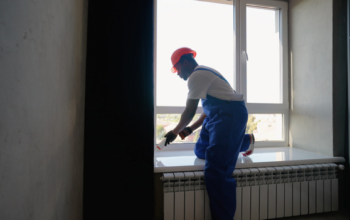
Thinking about ripping out that tired old bathroom?
For most homeowners, remodels begin with the exciting things. Tile samples. Vanity styles. Rain head or handheld for the shower. But that’s only the tip of the iceberg… because the bathroom is THE most plumbing intensive room in your house and that reality should alter your project from the start.
Here’s the good news:
If you renovate from the pipes up rather than paint chips down, you will almost always end up closer to your budget. And on schedule.
The Real Cost Of A Bathroom Renovation
Bathroom renovations are not cheap, and the numbers keep climbing.
Bathtub remodels cost the average homeowner between $6,500 and $25,000. Depending on the choices you make, your project could fall on either side of the $15,500 average. Location, materials, amenities and labor rates can dramatically affect your bottom line.
But here’s the part that catches people out…
Approximately 1 in 3 homeowners report that their remodel went over budget. The most common reasons are upgrading plumbing, water damage and structural repairs once demolition begins. You can’t budget for those surprises either.
That’s why the most intelligent first step is not a design consultation. It’s an inspection. Having a professional plumber evaluate your existing supply lines, drains and venting prior to demolition will inform you if you’re looking at a basic fixture replacement or an entire re-pipe job. If you don’t do this you’re likely going to cut into a line and the first call you’ll be making halfway through your project is to your emergency plumber at 9pm on a Saturday night with the water turned off and your ceiling leaking.
Not exactly the way anyone wants to kick off a renovation.
What’s Hiding Behind Your Walls
Old bathrooms hide old plumbing. It really is that simple.
Older houses (pre-1990s) can have galvanised steel supply lines, cast iron drains or early plastic pipes that have been silently corroding for years. It’s fine until someone whacks a demolition bar into the wall next to it.
Common surprises include:
- Corroded or undersized supply lines
- Drain pipes that have sagged out of proper fall
- Missing or improperly installed vent stacks
- Water damage and rot under the old tub or shower pan
- Valves that no longer shut off completely
Each of these complicates what could be a simple cosmetic update. Repairing them during renovation is only a fraction of the cost of busting open tile work six months down the road.
And another reason it’s important: Fixture movement costs big bucks. Relocating a toilet, moving a shower drain requires cutting into the floor and rerouting waste lines. Translation: Several thousand dollars added to your cost. The closer everything stays to where it originally is, the more money you’ll save than any other choice you’ll make throughout the planning process.
Permits, Codes & Realistic Timelines
Nobody enjoys this part. It still needs doing.
Cities generally require permits for bathroom work that includes moving plumbing, changing walls, or adding electrical circuits. Replacing a vanity typically does not. Moving drains almost always does.
Skipping permits may seem quicker but work without permits gets caught when you sell your home. Insurance companies also resist claims on work that was never inspected.
A realistic full bathroom renovation timeline looks like:
- Design and material selection — 2 to 4 weeks
- Permits and scheduling — 1 to 3 weeks
- Demolition — 1 to 2 days
- Rough plumbing, electrical and inspection — 1 week
- Waterproofing, tiling and finishing — 2 to 3 weeks
Anywhere from 4-8 weeks door to door for most houses. If someone is telling you they can fully remodel a house in a long weekend they are either 1) doing something extremely minor or 2) taking shortcuts you will eventually notice.
How To Avoid A Mid-Project Disaster
Here’s something most homeowners never think about until it happens…
When you tear a bathroom apart, the house doesn’t become less susceptible to water damage. Pipes. Things happen. Old valves are disturbed. Lines are temporarily capped. Pressure is put on different places. When you take one bathroom out of commission, your house has no room for error.
Water damage is becoming even more prevalent. The Insurance Information Institute notes that 1 in 60 insured homes suffer from water damage or freezing-related property damage that results in a claim every year. The average water damage claim is over $13,900.
That’s before anyone starts cutting into walls.
A few things worth sorting out before demolition day:
- Locate and test the main shut-off valve for the whole property
- Know where the individual fixture shut-offs are
- Confirm the water heater is in good condition and properly isolated
- Have the number of a 24-hour emergency plumber saved before work begins
- Ask the contractor exactly who responds if something floods overnight
That last one gets forgotten all the time. Many remodeling teams clock out at 4pm and call it a day. If that capped pipe springs at midnight, who’s awake in that house? Midnight, lining up an emergency plumber for your area that will actually pick up after hours, can take five minutes and save five digits.
Mould can begin to grow 48 hours after water penetrates drywall and subfloor. Time is of the essence.
Protecting The Work Once It’s Done
New bathroom finished? Great. Now protect it.
Waterproofing is the unsung hero of the shower. The membrane behind the tile, the pitch of the shower pan, the caulking around the valve body- these are what determine if the room will endure for decades or begin to decay in a few short years. One tiny pinhole in an improperly installed membrane can silently ruin your subfloor before any signs show up above.
Ask the contractor these questions before signing anything:
- What waterproofing system is being used, and is it warrantied?
- Will the shower pan be flood-tested before tiling?
- Are new shut-off valves being installed at every fixture?
- Who handles callbacks, and for how long?
Then monitor it afterwards. Peek under the vanity every few months. Look for stained grout, mushy areas on the floor, or a slight mildew odor. Small leaks whisper, and catching one early is the difference between a $150 fix and gutting your floor.
Bringing It All Together
A bathroom renovation succeeds or fails on the parts nobody photographs.
Tiles steal the show, but it’s really the pipes, venting and waterproofing that make or break a bathroom. Homeowners who assess first, budget extra, pull the proper permits and have a dependable emergency plumber on speed dial before ripping out walls, rarely have nightmares.
Quick recap:
- Get the existing plumbing inspected before demolition
- Keep the layout where it is if the budget is tight
- Budget for surprises, because there will be some
- Pull permits for anything structural or plumbing related
- Know your shut-offs and who to call after hours
- Don’t compromise on waterproofing
If you do those six things, remodeling stops being a risky bet. It becomes an undertaking.
Enjoy Worthview?
Add Worthview as a Preferred Source on Google to see more of our stories in Search.

Worthview Editorial Team is the shared byline for content created collaboratively by Worthview’s editors and contributors. Since 2008, we’ve published thousands of articles across technology, AI, finance, health, home, travel, and lifestyle. Our editorial process emphasizes original research, reputable sources, regular content updates, and clear attribution. Articles covering higher-trust topics, including health and finance, may also undergo review by qualified subject-matter experts.