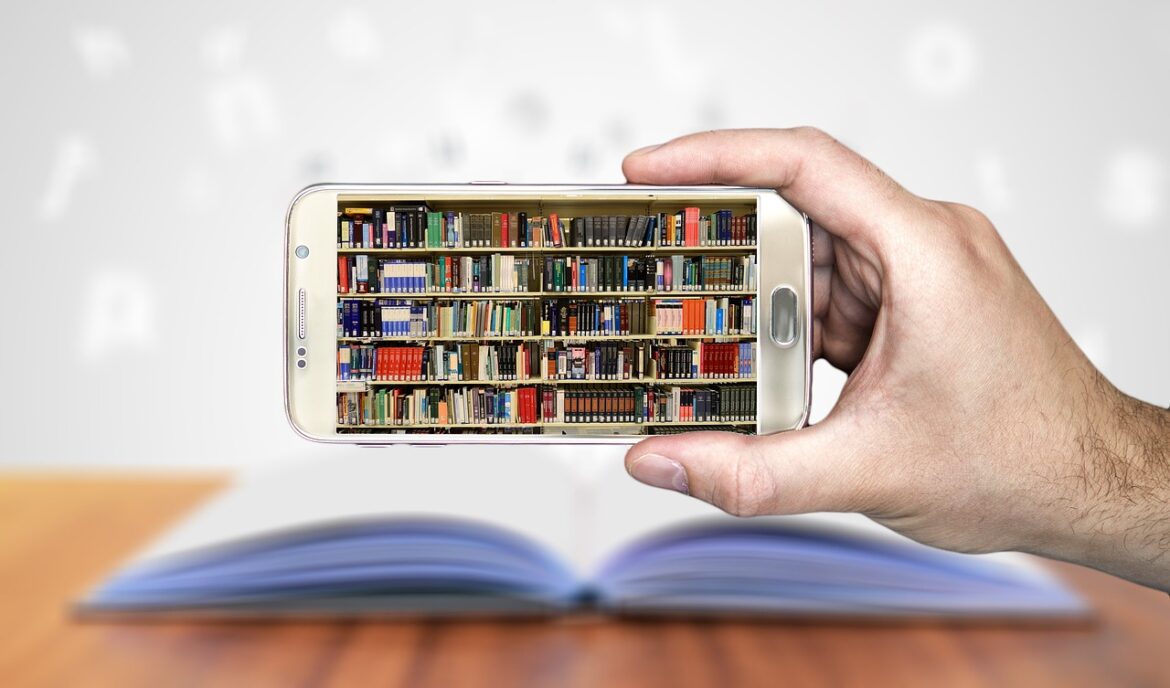
Finding a digital book legally starts with the source, not the download button. Public-library catalogs, university collections and established public-domain repositories offer useful routes, but each has different rules. A site called “Z library” is not verified by its name; check who provides the book and whether the specific title is authorized. A free file is not automatically authorized, and a secure-looking website does not prove that its operator has permission to distribute a title.
Start with library catalogs and reputable digital collections
Search your local public-library catalog first. Many libraries lend ebooks through their own sites or an app. Card requirements vary, so check eligibility and account needs in your local catalog. A borrowed ebook may expire at the end of the lending period or be limited to certain devices. That is different from downloading a book to keep.
University and specialist libraries also make selected digitized books, archives and research materials available to the public. Their catalogs can help establish who holds or provides an item, though access may be restricted by location, account status or the rights attached to a particular work.
Public-domain collections are another route to free books. Copyright status can differ by country and between a text, translation, edition and digitization. Check the status of the specific work and edition, along with any terms stated for the digital copy. Public-domain works can generally be reused or shared, but a particular edition or file may have separate rights or license terms.
Check who provides each book and what access permits
An e-library should identify the institution, publisher, rights holder or other party responsible for providing a title. Compare its catalog record with the record held by the library, publisher or rights holder. If you are considering Z library, check the service’s title-specific rights information and access terms.
Read the conditions before borrowing or downloading. Lending terms may set an expiry date, limit simultaneous loans, require an account or restrict access by region. A permanent download may allow offline reading without granting permission to copy, share or republish the file.
For a public-domain or openly licensed book, look for a statement applying to the specific work or edition. Check the details. A general notice about a collection may not settle the status of every item in it. HTTPS, a polished interface and a familiar-looking search result say little about copyright permission or the file’s provenance.
Recognize copyright and safety warning signs
Pause when a site offers recent commercial books but does not identify a rights holder, publisher or licensing basis. User uploads, free access and visibility in search results do not prove distribution is permitted. Copyright rules depend on the work, jurisdiction and use, so availability alone cannot settle the question.
The same caution applies to sites presented as digital libraries. Check for a clear operator, privacy practices and terms that explain access before sharing personal or payment details. If information is missing or contradictory, compare the title with the institution’s or rights holder’s catalog. If you cannot verify the claim, choose another source. On Z-library, missing licensing information or unclear privacy terms are reasons to pause.
Choose a legal source that fits how you want to read
For borrowing, start with a public library and confirm the card, loan period and device conditions. For older works, use a collection that states the public-domain status of the particular text or edition. If you want to reuse or redistribute a book, check the applicable license; permission to read does not necessarily include permission to share.
For a current copyrighted title, use a retailer, publisher or lending service that explains its sales or lending model. Choose a source that names its provider and sets out what you are allowed to do.
Enjoy Worthview?
Add Worthview as a Preferred Source on Google to see more of our stories in Search.

Worthview Editorial Team is the shared byline for content created collaboratively by Worthview’s editors and contributors. Since 2008, we’ve published thousands of articles across technology, AI, finance, health, home, travel, and lifestyle. Our editorial process emphasizes original research, reputable sources, regular content updates, and clear attribution. Articles covering higher-trust topics, including health and finance, may also undergo review by qualified subject-matter experts.