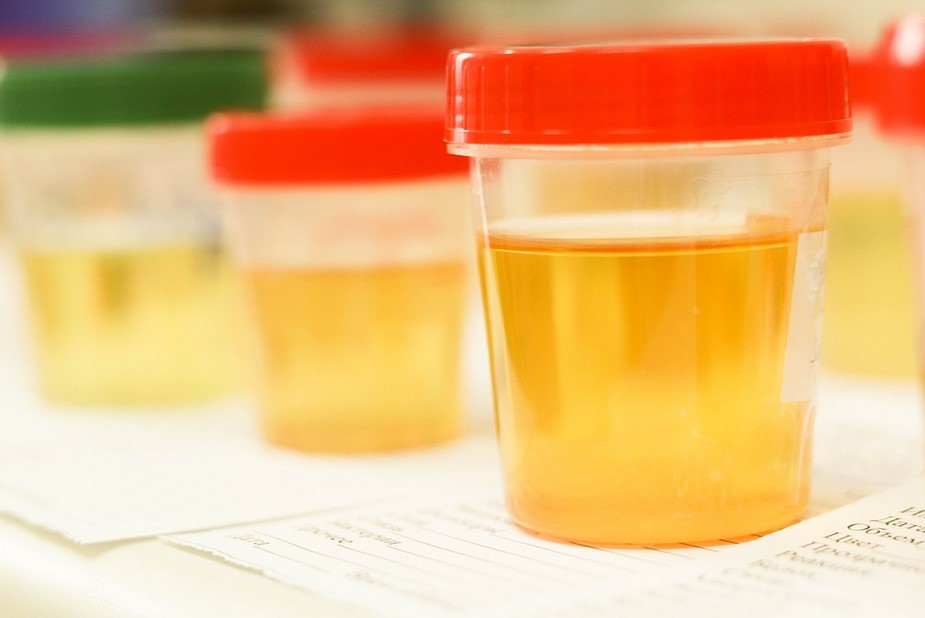
Getting asked for a sudden drug test can be stressful, and many people wonder if they can prepare in advance. One common question is whether you can freeze urine and use it later for a drug test.
While it is technically possible to freeze urine, it is not a reliable or safe method for passing a drug test.
Modern testing methods are designed to check not just for substances, but also for sample freshness and authenticity.
Drug tests are used in workplaces, sports, and legal settings to ensure safety and fairness. However, freezing and storing urine can cause chemical changes, bacterial growth, and loss of key markers that labs look for. In many cases, stored or tampered samples can be detected through temperature checks, creatinine levels, and other validation methods.
It’s also important to understand the risks involved. Attempting to manipulate a drug test can lead to serious consequences, including failed tests, job loss, or legal issues. While some sources claim urine can be stored for long periods, in real-world scenarios, most labs require fresh samples, making frozen urine an unreliable option.
TL;DR Example:
- Freezing urine is not reliable for drug tests
- Chemical composition can change after thawing
- Labs can detect temperature, contamination, and degradation
- Fresh samples are usually required within hours
- Attempting this can lead to failed or invalid test results
To understand why frozen urine is unreliable, it’s important to first look at what actually happens to urine when it is stored and frozen.
What Happens to Urine When It Is Frozen and Thawed?
When urine is frozen, its physical and chemical structure begins to change. While freezing slows down bacterial activity, it does not completely preserve the sample in its original state. As the liquid freezes, components like salts, urea, and other dissolved substances can separate or crystallize, which may alter the overall composition of the urine.
Key changes that happen when urine is frozen:
- ❄️ Crystallization of salts and compounds – dissolved substances may separate during freezing
- 🧪 Changes in chemical balance – urea, pH, and other elements can shift
- 🌡️ Altered specific gravity – affects how concentrated the sample appears
- 🦠 Bacterial activity resumes after thawing – can impact sample quality
- 🎨 Color and clarity differences – thawed urine may look unusual compared to fresh samples
- ⚠️ Degradation of key markers – important indicators used in testing may become unstable
Once the urine is thawed, these changes can become more noticeable. The sample may show differences in color, clarity, and consistency, and in some cases, bacteria can start to grow again. More importantly, key markers such as creatinine levels, pH balance, and specific gravity may shift, which are all factors commonly checked during drug testing.
Because of these changes, frozen and thawed urine often does not behave like a fresh sample. Modern drug testing labs are trained to detect inconsistencies in stored or tampered samples, making frozen urine unreliable for accurate testing or validation purposes.
Why Frozen Urine Becomes Unstable Over Time
Even though freezing slows down changes, urine is still a complex fluid that can become unstable over time. It contains a mix of water, salts, waste products, and organic compounds, all of which can react differently under storage conditions. As a result, freezing does not fully preserve urine in its original state.
Key reasons frozen urine degrades:
- ⚠️ pH levels can change, affecting how compounds behave
- 🧪 Chemical reactions continue slowly, even in cold conditions
- 🦠 Bacteria can survive and reactivate after thawing
- ❄️ Freeze–thaw cycles cause structural changes in the sample
- ⏳ Long-term storage reduces reliability for accurate testing
Because of these factors, frozen urine becomes less stable over time and may not meet the standards required for drug testing.
pH Fluctuations and Impact on Composition:
The pH level of urine, a measure of its acidity or alkalinity, is a critical factor in maintaining its stability. Various compounds within urine exhibit different solubilities at different pH levels. Improper storage and handling can alter the pH of frozen urine samples, causing some compounds to precipitate or crystallize. Such changes can disrupt the uniformity of the sample, potentially yielding inaccurate drug test readings.
Chemical Complexity and Instability:
Human urine may appear to be a simple bodily fluid, but its composition is remarkably intricate. Urine is a blend of various compounds, including water, electrolytes, metabolic waste products, and organic molecules. When urine is not handled correctly, these components can interact in ways that lead to chemical changes, jeopardizing the accuracy of drug test results.
Bacterial Activity Despite Freezing:
While freezing can slow down the growth of bacteria, it does not entirely eliminate microbial activity within urine samples. Bacteria present in urine can continue to metabolize and interact with the compounds in the sample, leading to the production of metabolic byproducts. These byproducts can introduce new substances into the urine, thereby altering its chemical composition and potentially affecting drug test outcomes.
Freeze-Thaw Cycles and Structural Changes:
The process of freezing and thawing urine samples introduces mechanical stresses that can cause structural changes within the fluid. Crystallization of certain components can occur during freezing, leading to disruptions in the sample’s homogeneity. Subsequent thawing can further exacerbate these disruptions, potentially leading to inconsistencies in the composition of the urine.
Long-Term Degradation and Unreliable Results:
Over an extended period, the stability of frozen urine samples can degrade due to the cumulative effects of chemical interactions, bacterial activity, and freeze-thaw cycles. This degradation can render the sample unreliable for drug testing purposes. Compounds that are crucial for accurate drug test results may break down or change over time, leading to inconsistent and potentially misleading outcomes.
Collection and Storage Considerations
If urine is collected for storage, maintaining sample integrity becomes a major challenge. Even small amounts of contamination can alter the chemical composition of urine, making it less reliable for any form of testing. This is why proper handling is often emphasized in medical and laboratory environments.
Factors that can affect stored urine quality:
- 🧪 Contamination risk – exposure to external substances can change results
- 🧴 Container quality – unsuitable materials may react with urine components
- 🌡️ Air exposure and sealing – improper sealing can affect stability
- 🏷️ Labeling and handling errors – can lead to confusion or sample mix-ups
Even with careful handling, stored urine can degrade over time. Because of this, most drug testing procedures prefer fresh, properly collected samples to ensure accurate and reliable results.
Temperature and Freshness Checks in Drug Testing
Temperature is one of the first things labs check during a drug test. Fresh urine typically falls within a narrow temperature range, which helps confirm that the sample was recently provided and not stored or altered.
Why temperature matters in drug tests:
- 🌡️ Fresh samples have a specific temperature range similar to body temperature
- ⚠️ Unusual temperatures can raise red flags during screening
- 🧪 Stored or reheated samples may not behave like fresh urine
- 🔍 Temperature checks are used to detect tampering or substitution
Because of these checks, stored or previously frozen urine can be difficult to present as a valid sample. Even small inconsistencies in temperature or composition may lead to further testing or sample rejection.
Can Frozen or Stored Urine Be Used for a Drug Test?
Many people assume that stored or frozen urine can be reused later, but in reality, this approach is unreliable. Modern drug testing procedures are designed to detect inconsistencies in temperature, freshness, and chemical composition.
Why stored urine often fails drug tests:
- ❌ Temperature checks can expose stored samples
- 🧪 Chemical markers may change over time
- 🦠 Bacterial activity affects sample quality
- 🔍 Labs test for freshness using multiple parameters
In addition, strict testing protocols make it difficult to substitute or alter samples without being detected. Because of this, stored or frozen urine is generally not considered a dependable option for drug testing.
Can Drug Tests Detect Reheated or Altered Urine?
Modern drug testing methods are designed to identify samples that have been stored, altered, or artificially prepared. Labs do not just check for substances—they also evaluate whether the urine sample behaves like a fresh, natural sample.
Common checks used by labs:
- 🌡️ Temperature validation – confirms the sample is freshly provided
- 🧪 Creatinine levels – helps detect dilution or abnormal composition
- ⚖️ Specific gravity – measures concentration consistency
- 🔍 Visual inspection – checks color, clarity, and foam patterns
Even if a sample is reheated, it may not fully match the characteristics of fresh urine. Small inconsistencies can raise suspicion and lead to additional testing or rejection of the sample.
Legitimate Use vs. Manipulation:
Not all cases of storing urine are meant to deceive. In some medical or laboratory settings, urine samples may be preserved under controlled conditions for testing purposes. However, using stored or altered urine to bypass a drug test falls into a completely different category and raises serious concerns.
Key difference to understand:
- ✅ Legitimate use – controlled storage for medical or research purposes
- ❌ Manipulation – attempting to alter or substitute a drug test sample
Medical Use vs. Deception:
Legitimate freezing of urine might be required for certain medical tests. However, attempting to manipulate drug tests through freezing or other methods raises ethical and legal concerns. Such actions undermine the integrity of testing procedures, impacting trust and fairness.
Ethical and Legal Implications:
Deceptive practices carry serious repercussions. Manipulating drug tests can result in disciplinary actions, termination, or legal consequences. Trust within workplaces and organizations can be eroded, impacting relationships and reputation. It’s important to recognize the broader implications of attempting to deceive drug tests.
Cautions and Consequences:Risks and Ramifications:
Trying to manipulate a drug test can lead to serious consequences. Drug testing programs are designed to ensure safety, fairness, and compliance, especially in workplaces and regulated environments.
Possible consequences include:
- ⚠️ Job termination or disciplinary action
- ⚖️ Legal consequences, depending on local laws
- 📉 Damage to personal and professional reputation
- 🚫 Loss of future opportunities
Even a small attempt to alter a sample can lead to long-term impact, especially if detected.
Conclusion
Freezing urine may seem like a possible workaround, but in reality, it comes with significant limitations and risks. Changes in chemical composition, temperature inconsistencies, and strict testing protocols make stored urine unreliable for drug testing.
Modern labs are equipped to detect even minor irregularities, and attempts to manipulate samples can lead to serious consequences, including failed tests, job loss, or legal issues.
The safest and most dependable approach is to understand how drug testing works and comply with the required procedures. Being informed and honest not only avoids unnecessary risks but also ensures fair and accurate outcomes.
Frequently Asked Questions
1. Can frozen urine be used for a drug test?
Frozen urine is generally not reliable for drug tests. Changes in temperature, chemical composition, and freshness markers can make it easy for labs to detect or reject the sample.
2. How long is urine valid for a drug test?
Urine is typically valid for a few hours at room temperature and up to 24 hours if refrigerated. Most drug tests require fresh samples for accurate results.
3. Does freezing urine affect drug test results?
Yes. Freezing can alter pH levels, chemical balance, and key markers like creatinine, which can impact the accuracy and validity of the test.
4. Can drug tests detect stored or fake urine?
Modern drug tests check temperature, creatinine levels, specific gravity, and overall composition. These checks can often detect stored, altered, or non-fresh samples.
5. Does freezing urine remove drugs from the sample?
No. Freezing does not eliminate drug traces. If drugs were present before freezing, they can still be detected during testing.
6. What temperature should urine be for a drug test?
Fresh urine samples typically fall within a specific temperature range close to body temperature. Samples outside this range may raise suspicion or be rejected.
7. What are the risks of trying to manipulate a drug test?
Attempting to manipulate a drug test can lead to failed results, job loss, legal consequences, and long-term damage to personal and professional reputation.
8. Is frozen urine as reliable as fresh urine?
No. Frozen urine can degrade over time and may not meet the required standards for accurate drug testing, making fresh samples the preferred option.
This article is for informational and educational purposes only. It does not promote, encourage, or endorse any attempt to manipulate or bypass drug testing procedures. Drug testing policies and regulations may vary depending on location and organization. For accurate guidance, always follow official testing protocols and consult with qualified professionals or relevant authorities. The information provided here should not be considered medical or legal advice.
Enjoy Worthview?
Add Worthview as a Preferred Source on Google to see more of our stories in Search.

Worthview Editorial Team is the shared byline for content created collaboratively by Worthview’s editors and contributors. Since 2008, we’ve published thousands of articles across technology, AI, finance, health, home, travel, and lifestyle. Our editorial process emphasizes original research, reputable sources, regular content updates, and clear attribution. Articles covering higher-trust topics, including health and finance, may also undergo review by qualified subject-matter experts.