Packaging is more than a pretty shell. For many skincare and haircare products, the bottle is part of the protection system. Light, air, and heat can affect how a product looks, smells, and performs over time, especially when it contains plant extracts, essential oils, vitamins, or other actives.
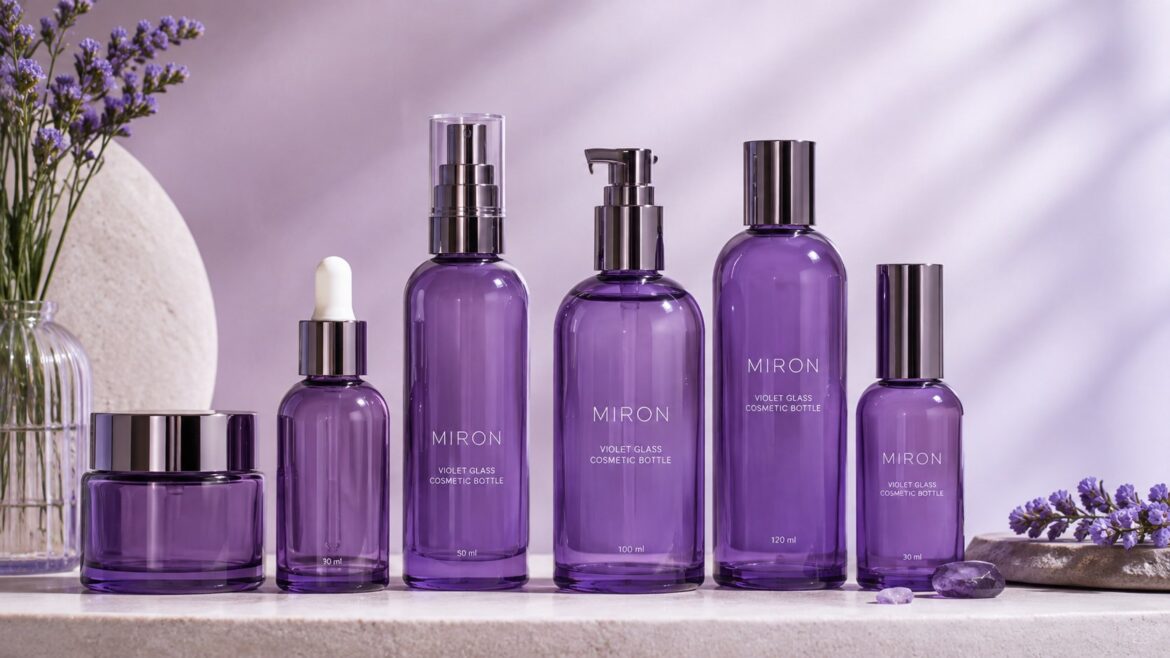
Violet, sometimes called biophotonic, glass is popular in clean beauty because it is designed to reduce the amount of light that reaches the product inside. Below is a practical guide to when it makes sense and how to choose a format that fits real daily use.
What violet glass is meant to do
The goal is straightforward: reduce light exposure that can contribute to changes in sensitive formulas. No packaging can freeze time, but a bottle that blocks more light can help support stability and keep the user experience more consistent.
This matters most for products that are naturally more reactive, such as botanical oils, vitamin-rich serums, and fragrance blends.
Signs your formula benefits from better light protection
Not every product needs premium packaging. Violet glass is often worth considering when one or more of these apply:
Your formula includes essential oils or aromatic compounds
- You use natural colorants that can fade
- You keep preservatives minimal and rely on careful formulation
- Your product sits in bright bathrooms, salons, or retail shelves
- You want a premium look that signals high-value ingredients
A quick buying checklist
Before ordering, run through these basics.
- Match the closure to the product
-
- Dropper for serums and facial oils
- Pump for lotions and emulsions
- Screw cap for simple liquids
- Choose a practical size
Smaller sizes can reduce the time a product is exposed to air after opening.
- Design for real-life handling
If the product is used with wet hands or in the shower, a pump may feel cleaner than a dropper.
- Plan labeling early
Dark glass can make labels stand out, but test readability and adhesion.
If you want to compare shapes, sizes, and closure styles, these violet glass cosmetic bottles are built for cosmetic applications and are a helpful reference point.
Storage habits that still matter
Even with protective packaging, everyday habits make a difference.
Do
- Store products away from direct sunlight and heat sources
- Close caps tightly to limit air exchange
- Use clean hands or tools to reduce contamination risk
Dont
- Leave bottles on a sunny windowsill
- Transfer products into clear containers unless you know the formula is stable
- Assume darker packaging replaces proper preservation and testing
Oils and wellness blends
Oils are often among the most light-sensitive products in a bathroom cabinet. Carrier oils, essential oil blends, and herbal infusions can all be affected by light and heat. That is why many wellness brands choose darker glass for these products.
If your focus is oils rather than creams or serums, dedicated glass oil bottles can be a practical fit for oil-based products and common dispensing styles.
Conclusion
Violet glass is not a magic shield, but it is a sensible packaging upgrade for products that benefit from reduced light exposure. Pair the right bottle and closure with smart storage habits, and your formulas can stay more consistent over time.
Enjoy Worthview?
Add Worthview as a Preferred Source on Google to see more of our stories in Search.

Worthview Editorial Team is the shared byline for content created collaboratively by Worthview’s editors and contributors. Since 2008, we’ve published thousands of articles across technology, AI, finance, health, home, travel, and lifestyle. Our editorial process emphasizes original research, reputable sources, regular content updates, and clear attribution. Articles covering higher-trust topics, including health and finance, may also undergo review by qualified subject-matter experts.