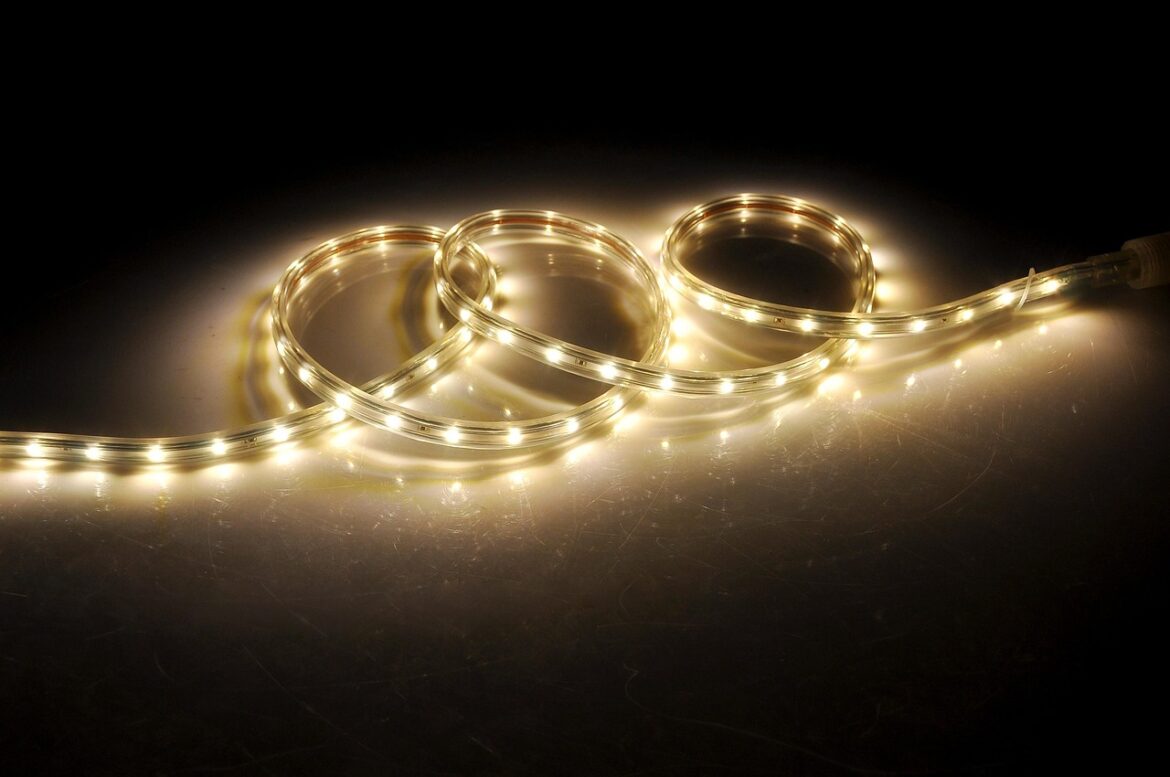
Walk into any thoughtfully designed home, boutique, or workspace today, and chances are you’ll notice the lighting before you consciously realize it. Not because it is glaring or overbearing, but because it quietly shapes the mood of the room. Over the past decade, LED strip lighting has moved from being a niche decorative option to a foundational element of modern design. Among the many variations available, COB LED technology has emerged as a particularly influential force, changing how designers, builders, and end users think about continuous light.
Unlike traditional LED strips that rely on individually visible diodes, COB (Chip on Board) LED strips integrate multiple chips directly onto a substrate. The result is a smooth, uninterrupted line of light that feels closer to natural illumination. This difference may sound subtle on paper, but in real environments it dramatically improves visual comfort and aesthetic consistency.
From Accent to Architecture
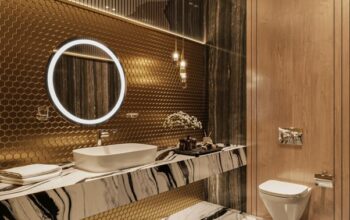
In earlier years, LED strips were mainly used as accents—under cabinets, behind televisions, or along shelves. Their purpose was to add a touch of atmosphere rather than serve as a core lighting source. Today, that role has expanded. Continuous light lines are now embedded into ceilings, staircases, wall grooves, and furniture itself. In minimalist interiors especially, lighting is no longer an afterthought; it becomes part of the architecture.
COB LED strips support this shift because they eliminate the “dotting” effect common in older strip designs. When installed in aluminum profiles or shallow recesses, they create an even glow that can replace or complement traditional fixtures. Architects appreciate this because it allows lighting to guide attention without visual clutter.
Why Uniform Light Matters
Uniformity in lighting is not just about looks. It directly affects how people feel in a space. Harsh points of light can cause eye strain, especially in work environments or areas where people spend long periods of time. COB LED strips distribute light evenly, reducing contrast and making spaces feel calmer and more balanced.
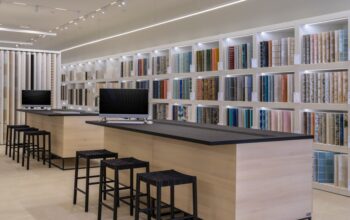
This is particularly valuable in applications like kitchens, offices, and retail displays. In a kitchen, even lighting helps with food preparation and safety. In offices, it contributes to focus and reduces fatigue. In retail, it ensures products are shown clearly without distracting shadows or hotspots.
For businesses sourcing these products, choosing a reliable COB LED strip lights manufacturer becomes a strategic decision rather than a simple procurement task. Consistency in light output, color temperature accuracy, and long-term stability are critical when lighting is integrated so deeply into a space.
Efficiency Without Compromise
Energy efficiency has always been one of LED lighting’s strongest selling points, but COB technology pushes this advantage further. By packing chips closely together and improving thermal management, COB LED strips can deliver higher lumen output with relatively low power consumption. Better heat dissipation also means a longer lifespan, which reduces maintenance costs over time.
For commercial projects, this combination of efficiency and durability can significantly impact operating expenses. Hotels, shopping centers, and office buildings that run lighting for extended hours benefit from reduced energy bills and fewer replacements. At scale, these savings are substantial.
Color, Control, and Customization
Another reason COB LED strips are gaining popularity is their compatibility with advanced control systems. From simple dimmers to smart home ecosystems and DMX-controlled commercial setups, these strips adapt easily. Users can adjust brightness, tune color temperatures, or even program dynamic lighting scenes depending on the time of day or purpose of the space.
Manufacturers have responded by offering a wide range of options: warm white for residential comfort, neutral white for task lighting, and cool white for modern commercial interiors. RGB and RGBW versions add creative flexibility for entertainment venues, exhibitions, and hospitality environments.
Working with an experienced COB LED strip lights manufacturer often means access to customization as well. Custom lengths, specific voltage requirements, unique PCB designs, or tailored color rendering indexes (CRI) can make a significant difference in specialized projects.
Installation and Design Flexibility
Despite their advanced performance, COB LED strips remain relatively easy to install. They are flexible, cuttable, and compatible with common mounting accessories. This makes them suitable for both new construction and renovation projects. Designers can follow curves, highlight architectural details, or retrofit existing spaces without major structural changes.
This flexibility is one reason why interior designers increasingly collaborate directly with lighting suppliers. Instead of designing a space first and adding lighting later, they integrate light from the very beginning of the concept stage. The result is more cohesive, intentional environments.
Quality as a Long-Term Investment
Not all LED strips are created equal, and the differences may not be immediately visible on day one. Over time, however, issues such as color shift, brightness degradation, or inconsistent performance can undermine a project. For this reason, quality control, binning standards, and material selection matter greatly.
A reputable COB LED strip lights manufacturer invests heavily in testing, from thermal performance to aging simulations. This ensures that the light you see after installation remains stable months and years down the line. For professionals who stake their reputation on the final result, this reliability is non-negotiable.
The Human Side of Light
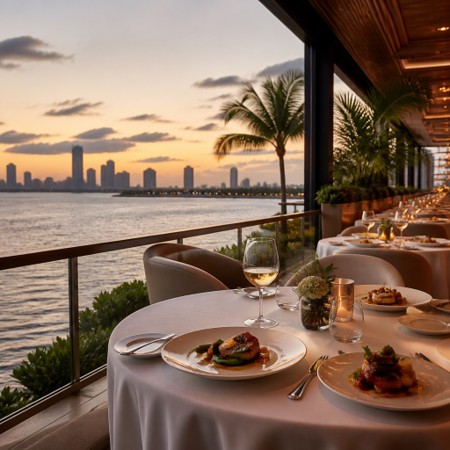
Beyond technology and specifications, lighting ultimately serves people. It influences how we relax at home, how we concentrate at work, and how we perceive brands and public spaces. Soft, continuous light has a uniquely human quality—it feels intentional rather than mechanical.
As urban living spaces become smaller and multifunctional, lighting must adapt to changing needs throughout the day. COB LED strips support this adaptability, transitioning seamlessly from bright task lighting to gentle ambient illumination with a simple adjustment.
In many ways, the rise of COB LED technology reflects a broader trend: a move toward lighting that is not only efficient and powerful, but also emotionally intelligent. It responds to human behavior, enhances comfort, and quietly elevates everyday experiences.
When chosen thoughtfully and sourced from the right manufacturing partner, these lighting solutions do more than illuminate rooms—they shape how spaces are lived in, worked in, and remembered.
Enjoy Worthview?
Add Worthview as a Preferred Source on Google to see more of our stories in Search.

Worthview Editorial Team is the shared byline for content created collaboratively by Worthview’s editors and contributors. Since 2008, we’ve published thousands of articles across technology, AI, finance, health, home, travel, and lifestyle. Our editorial process emphasizes original research, reputable sources, regular content updates, and clear attribution. Articles covering higher-trust topics, including health and finance, may also undergo review by qualified subject-matter experts.