Proper home maintenance can improve energy efficiency by helping HVAC systems operate efficiently, reducing air leaks around windows and doors, maintaining exterior materials, and protecting insulation. Regular inspections and timely repairs can help prevent energy waste, maintain comfortable indoor temperatures, and potentially reduce utility costs.
Maintaining a home involves more than keeping it clean and addressing visible repairs. Regular upkeep can also influence how efficiently a property uses energy throughout the year. When important systems and structural features are neglected, homeowners may experience higher utility bills, inconsistent indoor temperatures, and unnecessary strain on household equipment. Taking a proactive approach to maintenance helps identify areas where energy may be wasted while supporting a more comfortable living environment. Even small improvements can contribute to better energy performance and long-term savings. In this article, we’ll explore how HVAC maintenance, window conditions, and exterior upkeep can support residential energy efficiency.
Keeping HVAC Systems Operating Efficiently
Heating and cooling systems account for a significant portion of household energy consumption. When these systems become dirty, worn, or poorly maintained, they may need to work harder to maintain comfortable indoor temperatures. Regular maintenance, including filter replacements, inspections, and cleaning, can help HVAC equipment operate more effectively.
Homeowners should also pay attention to the age and overall condition of their heating and cooling equipment. According to Housecall Pro, the average age of HVAC systems at the time of replacement should be around 12 years old. As equipment gets older, its performance may decline, making it important to evaluate whether repairs or replacement would be the more practical option.
Scheduling routine professional inspections can help identify developing problems before they lead to unexpected breakdowns. Technicians can assess system performance, inspect components, and identify issues that may affect energy consumption. Keeping HVAC equipment in good condition can support consistent temperatures while helping homeowners manage energy costs.
Addressing Window-Related Energy Loss
Windows play an important role in maintaining indoor temperatures because they separate conditioned living spaces from outdoor weather conditions. Damaged seals, deteriorating frames, and gaps around window openings can allow heated or cooled air to escape. These issues may cause HVAC systems to run longer as they attempt to compensate for temperature changes.
According to NerdWallet, heat gain and heat loss through windows are responsible for 25%–30% of residential heating and cooling energy use. This makes window condition an important consideration when evaluating household energy efficiency. Homeowners can look for damaged weatherstripping, condensation between glass panes, and noticeable drafts that may indicate problems.
Addressing these concerns may involve repairing seals, replacing weatherstripping, or upgrading older windows when necessary. Window coverings can also help manage sunlight and reduce unwanted heat gain during warmer months. Paying attention to these features can help maintain more consistent indoor temperatures throughout the year.
Maintaining Exterior Materials and Siding
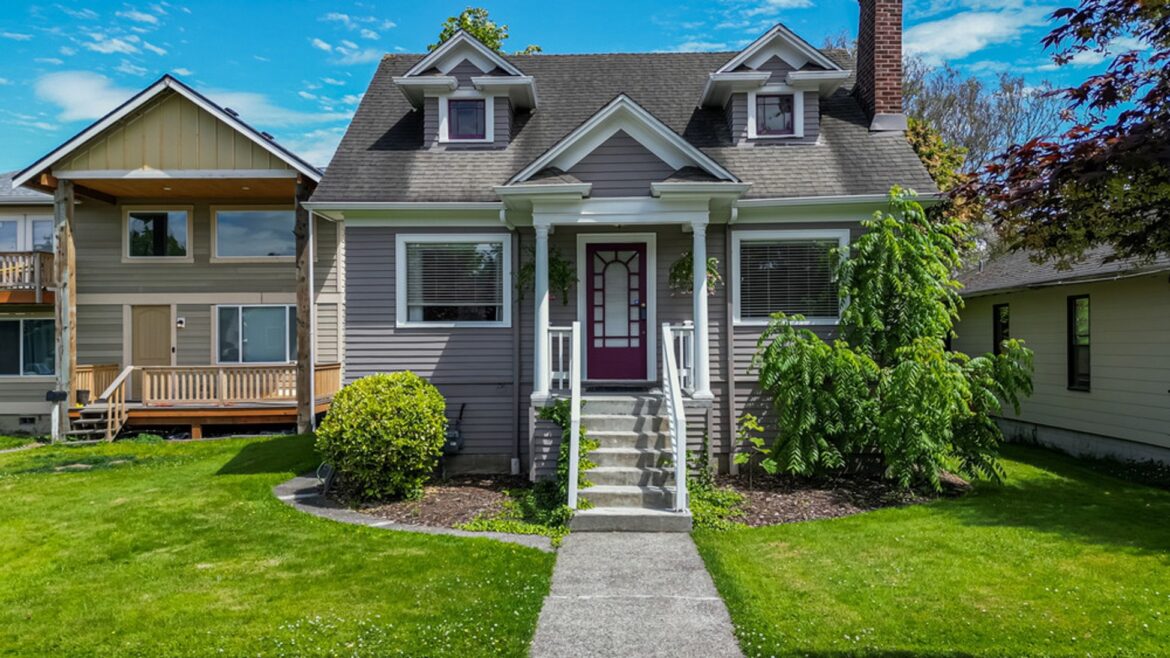
A home’s exterior provides protection against changing weather conditions, but different materials require different levels of care. When siding becomes damaged or deteriorates, moisture and outdoor air may find their way into areas that affect the building’s overall performance. Regular inspections can help homeowners identify peeling paint, cracks, loose panels, and other signs that exterior maintenance is needed.
According to Nationwide, wood siding is more sensitive and may need to be repainted every three to seven years. Keeping protective coatings in good condition helps preserve the siding and protect the underlying material from weather exposure. Homeowners should monitor the exterior for signs of deterioration and address maintenance needs according to the material’s condition.
Proper exterior upkeep can also complement other energy-efficiency improvements. Checking the condition of exterior doors, sealing noticeable gaps, and maintaining insulation can help reduce unwanted air movement. Together, these efforts support a home that is better prepared for seasonal temperature changes.
Making Energy Efficiency a Maintenance Priority
Energy-efficient homes benefit from consistent attention rather than occasional improvements alone. Homeowners can establish seasonal maintenance routines to keep track of HVAC inspections, window assessments, exterior repairs, and other important responsibilities. Addressing smaller concerns early may help prevent more extensive problems that affect comfort and energy use.
It is also helpful to pay attention to changes in household utility bills. Unexpected increases may indicate that equipment is struggling, insulation is insufficient, or air is escaping through vulnerable areas. Identifying these patterns can help homeowners determine which maintenance tasks deserve attention.
Proper home maintenance plays an important role in supporting residential energy efficiency. Keeping HVAC systems in good condition, addressing window-related air leaks, and protecting exterior materials can help reduce unnecessary energy use while maintaining indoor comfort. Rather than waiting for noticeable problems to develop, homeowners can benefit from making routine upkeep a consistent priority. These efforts can contribute to a more efficient, comfortable, and well-maintained property over time.
Frequently Asked Questions
How does home maintenance improve energy efficiency?
Regular home maintenance helps reduce energy waste by keeping HVAC systems operating properly, sealing air leaks, maintaining windows and doors, and protecting insulation and exterior materials. These improvements can help maintain indoor temperatures and reduce the amount of energy needed for heating and cooling.
What home maintenance tasks can help lower energy bills?
Replacing HVAC filters, inspecting windows and doors for drafts, sealing gaps, maintaining exterior siding, checking insulation, and scheduling professional HVAC inspections are among the maintenance tasks that can help reduce unnecessary energy consumption.
How often should HVAC systems be maintained?
HVAC systems should generally receive professional maintenance at least once a year, with heating and cooling equipment potentially benefiting from separate seasonal inspections depending on the system and climate. Homeowners should also replace or clean air filters according to the manufacturer’s recommendations.
Can damaged windows increase energy bills?
Yes. Damaged window seals, deteriorating frames, and gaps around windows can allow outdoor air to enter and conditioned air to escape. This can make HVAC systems work harder to maintain comfortable indoor temperatures, potentially increasing energy consumption.
Does exterior home maintenance affect energy efficiency?
Yes. Maintaining siding, exterior doors, seals, and other protective materials can help limit unwanted air movement and protect areas of the home where insulation and structural components are located. Exterior maintenance can complement other energy-efficiency improvements.
How can I tell if my home is wasting energy?
Signs of potential energy waste include unusually high utility bills, rooms that are consistently too hot or cold, drafts near windows and doors, HVAC systems that run frequently, and visible damage to exterior materials. These symptoms may indicate that maintenance, repairs, or an energy assessment is needed.
Enjoy Worthview?
Add Worthview as a Preferred Source on Google to see more of our stories in Search.

Worthview Editorial Team is the shared byline for content created collaboratively by Worthview’s editors and contributors. Since 2008, we’ve published thousands of articles across technology, AI, finance, health, home, travel, and lifestyle. Our editorial process emphasizes original research, reputable sources, regular content updates, and clear attribution. Articles covering higher-trust topics, including health and finance, may also undergo review by qualified subject-matter experts.