Outdoor upgrades are some of the most visible investments a homeowner can make. A new driveway, patio or front walkway changes how a home looks from the street and how it works day to day. They are also significant expenses, which is why it pays to approach them with the same care you would bring to any other financial decision.
Here is how to plan a concrete project that looks great, lasts for years and delivers real value for the money.
Key Takeaways
- Think beyond the upfront price: Compare concrete options based on durability, maintenance and expected lifespan.
- Prioritize high-value improvements: Driveways, patios and well-designed walkways can improve curb appeal, usability and long-term home value.
- Build a realistic budget: Account for excavation, base preparation, reinforcement, slab thickness, finishes and unexpected costs.
- Don’t overlook drainage: Proper grading and water management help prevent pooling, erosion, cracking and problems around the foundation.
- Choose the contractor carefully: Compare detailed written quotes, verify experience and insurance, and ask about warranties and preparation methods.
Think in Lifetime Cost, Not Upfront Price
The cheapest quote is rarely the cheapest option over time. When comparing materials or contractors, consider how long the surface will last and what it will cost to maintain.
Properly installed concrete is known for its durability and low maintenance. It typically needs occasional cleaning and periodic sealing, while some alternatives require more frequent resealing, resetting or repairs. Spreading the cost of a project over its expected lifespan gives you a far more accurate picture of what you are really paying each year.
Where Concrete Adds the Most Value
Not every project delivers the same return. These are the areas where concrete tends to make the biggest difference.
Driveways
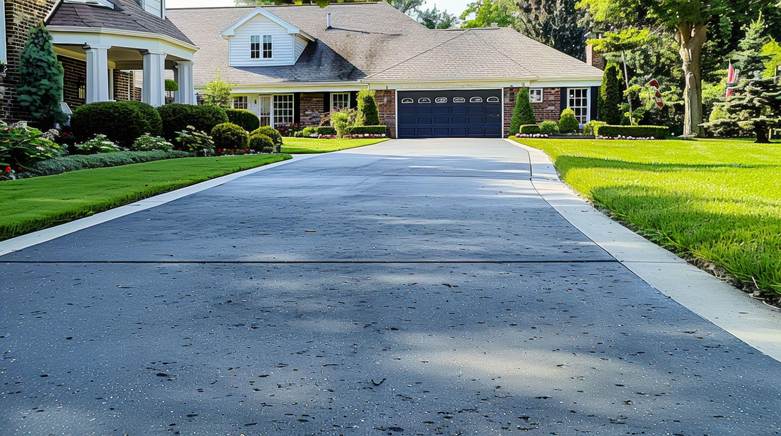
The driveway is often the largest hard surface on a property and one of the first things people see. Replacing a cracked, uneven driveway improves curb appeal and can make a home more attractive to future buyers.
Patios and Outdoor Living Spaces
A well designed patio effectively adds usable living space for much of the year. Decorative options such as stamped or exposed aggregate finishes can mimic more expensive materials at a lower cost.
Walkways and Accessibility
Smooth, level walkways make a home safer and easier to navigate, especially for older adults or anyone with limited mobility. In Canada, the Canada Revenue Agency’s home accessibility expenses credit may allow eligible homeowners to claim certain renovation costs that make a home more accessible. Eligibility rules are specific, so review them carefully and keep all receipts.
How to Budget for a Concrete Project
A realistic budget prevents surprises halfway through the job.
Understand What Drives Cost
Several factors affect the final price: the size of the area, removal of the old surface, excavation and base preparation, reinforcement, the thickness of the slab and the finish you choose. Decorative finishes and complex shapes usually cost more than plain, rectangular surfaces.
Get Detailed Written Quotes
Request at least two or three written quotes, and make sure each one covers the same scope of work. A detailed quote should explain base preparation, reinforcement, finish, cleanup and any warranty. Vague quotes make it hard to compare fairly.
Plan Your Timing
Concrete needs suitable weather to cure properly, and experienced contractors often book up quickly during peak season. Planning ahead gives you more choice of dates and more time to compare options.
Keep a Contingency
Set aside a small cushion for unexpected issues, such as poor soil conditions or drainage problems discovered during excavation.
Do Not Overlook Drainage
Water is the biggest enemy of any outdoor surface. Poor drainage can lead to pooling, erosion, ice patches and even water around your foundation. A good contractor will slope the surface so water flows away from the house.
Some homeowners also consider permeable options that let water soak into the ground instead of running off. The U.S. Environmental Protection Agency explains how permeable pavement can reduce stormwater runoff and help manage rainwater on your property. Your contractor can advise on whether that approach suits your site and local rules.
The Hidden Cost of Cutting Corners
Low quotes sometimes come from skipping steps that matter most, such as proper excavation, a compacted base or adequate reinforcement. These shortcuts are not visible on day one, but they often show up later as cracking, sinking or heaving. Repairing or replacing a failed surface can cost far more than doing it properly the first time.
Choosing the Right Contractor
Look for a contractor with a strong local track record, a portfolio of completed projects, clear written estimates and proper insurance. Ask about warranties and how they handle base preparation and drainage.
Homeowners in the Greater Toronto Area, for example, can work with Elite Concrete, a residential concrete contractor specializing in driveways, patios, walkways and decorative finishes. Choosing an experienced local company helps ensure the work suits the region’s climate and building conditions.
A Solid Investment
A driveway, patio or walkway is more than an outdoor upgrade—it is a long-term investment in your home. The best results come from looking beyond the initial price and considering durability, maintenance, drainage, installation quality and potential future repair costs.
Before starting your project, compare detailed quotes, plan for unexpected expenses and choose a qualified contractor who will not cut corners on preparation or drainage. With the right planning and installation, a concrete project can improve your home’s appearance, functionality and long-term value while helping you avoid costly problems down the road.
Frequently Asked Questions
Is concrete a good investment for a driveway, patio or walkway?
Yes. Concrete can be a good long-term investment because of its durability, relatively low maintenance needs and ability to improve the appearance and usability of outdoor spaces. The overall value depends on proper installation, site conditions and the type of project.
How should I budget for a concrete project?
Start with the size of the area and then account for factors such as removing the existing surface, excavation, base preparation, reinforcement, slab thickness and the finish you choose. It is also wise to keep a contingency for unexpected site issues.
What factors affect the cost of a concrete driveway or patio?
The main cost factors include project size, excavation, removal of an existing surface, soil and base conditions, reinforcement, concrete thickness, design complexity and decorative finishes. More complex designs generally cost more than simple rectangular surfaces.
How many quotes should I get from concrete contractors?
Getting at least two or three detailed written quotes is a good starting point. Make sure each contractor is pricing the same scope of work so you can compare preparation, materials, finishes, cleanup and warranties fairly.
Why is drainage important for a concrete driveway or patio?
Proper drainage prevents water from pooling around the surface and home. Poor drainage can contribute to erosion, ice buildup and other problems, including water reaching the foundation. The surface should be properly graded so water flows away from the house.
What happens if a concrete contractor cuts corners?
Skipping excavation, proper base preparation or adequate reinforcement can increase the risk of cracking, sinking and heaving. Although these shortcuts may reduce the initial price, repairs or replacement can cost significantly more later.
What should I look for when hiring a concrete contractor?
Look for a contractor with a strong local track record, completed project examples, detailed written estimates, appropriate insurance and clear warranty terms. Ask specifically how they handle excavation, base preparation, reinforcement and drainage.
Can a concrete walkway improve home accessibility?
Yes. A smooth, level walkway can make a home easier and safer to navigate, particularly for older adults or people with limited mobility. Some accessibility-related renovation expenses may also qualify for tax benefits depending on the homeowner’s location and eligibility.
Enjoy Worthview?
Add Worthview as a Preferred Source on Google to see more of our stories in Search.

Worthview Editorial Team is the shared byline for content created collaboratively by Worthview’s editors and contributors. Since 2008, we’ve published thousands of articles across technology, AI, finance, health, home, travel, and lifestyle. Our editorial process emphasizes original research, reputable sources, regular content updates, and clear attribution. Articles covering higher-trust topics, including health and finance, may also undergo review by qualified subject-matter experts.